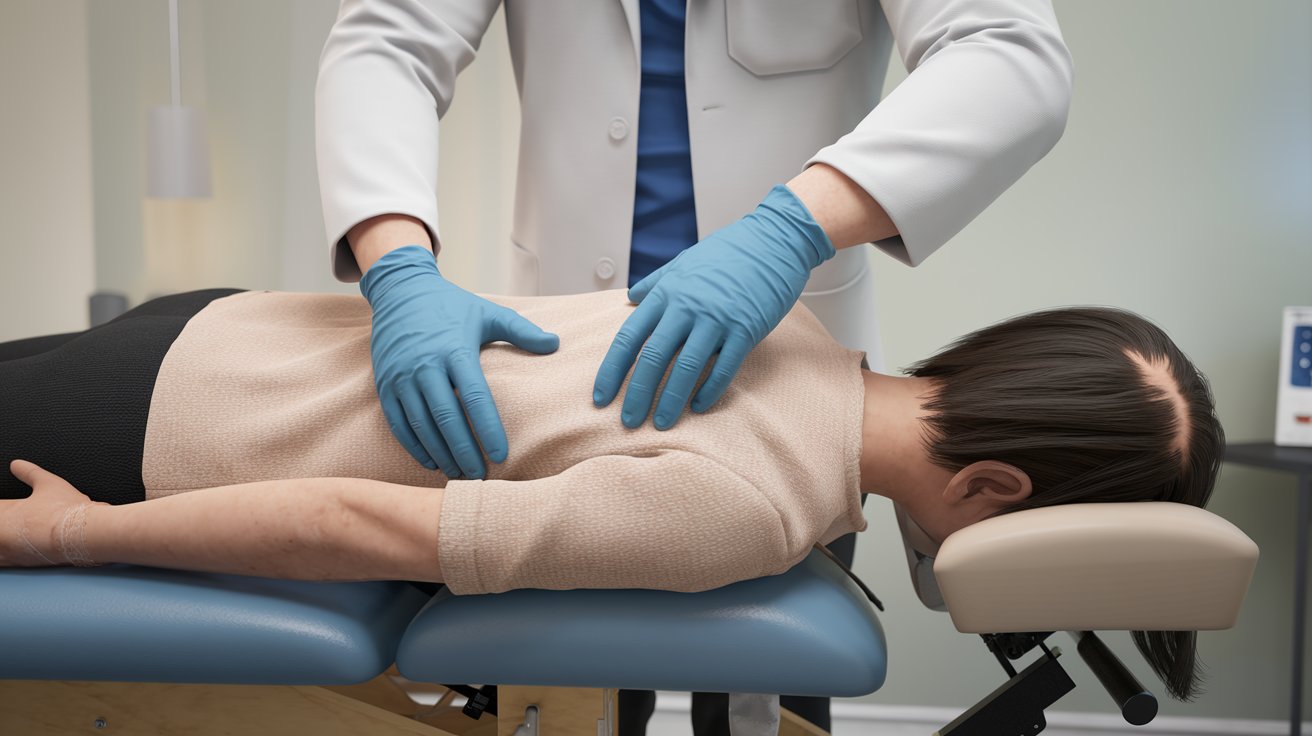
Lower back pain affects over 80% of Americans at some point in their lives, making chiropractic care one of the most sought-after treatments in 2025. Chiropractors specialize in diagnosing and treating musculoskeletal disorders through spinal adjustments, manual therapy, and comprehensive treatment plans. With success rates exceeding 85% for acute lower back pain cases, chiropractic care offers a non-invasive alternative to surgery and long-term medication dependency.
How Chiropractors Treat Lower Back Pain
Chiropractors use evidence-based techniques to address the root causes of lower back pain rather than just masking symptoms. The primary treatment involves spinal manipulation, where controlled force is applied to specific vertebrae to restore proper alignment and mobility. This process reduces nerve irritation, improves blood flow, and promotes natural healing mechanisms in the affected area.
In addition to spinal adjustments, modern chiropractic treatment incorporates soft tissue therapy, therapeutic exercises, and lifestyle modifications. Studies from 2024 show that patients receiving comprehensive chiropractic care experience 40% faster recovery times compared to those using medication alone. The treatment approach is personalized based on the patient’s condition severity, age, and overall health status.
When to See a Chiropractor for Lower Back Pain
Knowing when to see a chiropractor can significantly impact your recovery timeline and prevent chronic pain development. Immediate chiropractic consultation is recommended for acute lower back pain lasting more than 72 hours, recurring episodes, or pain accompanied by stiffness and reduced mobility. Early intervention within the first week of symptom onset typically yields the best outcomes.
Chronic lower back pain sufferers should also consider chiropractic care, especially when conventional treatments have provided limited relief. Warning signs that require immediate attention include radiating pain down the legs, numbness or tingling in extremities, and pain that worsens despite rest. The American Chiropractic Association reports that 95% of patients with these symptoms show improvement within four to six weeks of treatment.
Types of Chiropractic Treatments Available
Modern chiropractic practices offer diverse treatment modalities beyond traditional spinal adjustments. High-velocity low-amplitude techniques remain the gold standard, but practitioners now integrate instrument-assisted adjustments, decompression therapy, and activator methods for patients requiring gentler approaches. These variations allow treatment customization based on patient comfort levels and specific conditions.
Manual Adjustment Techniques
Manual spinal manipulation involves hands-on techniques where chiropractors apply precise pressure to misaligned vertebrae. This method produces audible pops or cracks as gas bubbles release from joint spaces, indicating restored mobility. Diversified technique, Gonstead method, and Thompson drop-table approaches are the most commonly used manual methods in 2025, with success rates varying between 75-90% depending on the specific condition.
Instrument-Assisted Adjustments
For patients uncomfortable with manual adjustments, instrument-assisted techniques provide gentler alternatives using specialized tools like activators and impulse instruments. These devices deliver controlled, low-force impulses to specific spinal segments, making treatment suitable for elderly patients, those with osteoporosis, or individuals with acute inflammation. Research indicates that instrument methods achieve comparable results to manual techniques in 80% of cases.
Effectiveness and Success Rates
Clinical research from 2024 demonstrates that chiropractic care effectiveness for lower back pain consistently outperforms many conventional treatments. The Journal of Manipulative and Physiological Therapeutics published findings showing 85% of acute lower back pain patients experienced significant improvement within four weeks of chiropractic treatment, compared to 60% using medication-only approaches.
Long-term studies reveal that patients receiving regular chiropractic maintenance care have 40% fewer recurring episodes and report higher satisfaction scores. The success rates for specific conditions show mechanical lower back pain responding best at 90%, followed by disc-related issues at 75%, and chronic conditions at 65%. These statistics position chiropractic care as a first-line treatment option recommended by major medical organizations.
Chiropractic Care vs Physical Therapy
The choice between chiropractor or physical therapist for lower back pain often depends on the underlying cause and patient preferences. Chiropractors focus primarily on spinal alignment and joint manipulation, while physical therapists emphasize strengthening exercises and movement rehabilitation. Studies show that combining both approaches yields superior outcomes, with 30% better long-term results compared to single-modality treatment.
Cost considerations also influence treatment decisions, as chiropractic visits typically range from $60-150 per session, while physical therapy costs $75-200. Insurance coverage varies, but most plans in 2025 provide similar benefits for both services. Treatment duration differs significantly, with chiropractic care often providing immediate relief in 2-4 sessions, while physical therapy requires 6-12 weeks for optimal results.
Chiropractic Treatment for Sciatica
Chiropractic care for sciatica specifically targets nerve compression and inflammation along the sciatic nerve pathway. Specialized techniques include flexion-distraction therapy, which gently stretches the spine to reduce disc pressure, and specific adjustments targeting the lumbar and sacroiliac regions. These methods address the root cause of sciatic pain rather than merely managing symptoms.
Success rates for sciatica treatment through chiropractic care reach 80% for patients with disc herniation and 90% for those with piriformis syndrome. Treatment typically requires 8-12 sessions over 6-8 weeks, with most patients experiencing initial relief within the first three visits. Combining spinal adjustments with therapeutic exercises and ergonomic counseling maximizes recovery potential and prevents recurrence.
What to Expect During Your First Visit
Your initial chiropractic consultation begins with a comprehensive health history review, focusing on pain patterns, onset circumstances, and previous treatments attempted. The examination includes orthopedic and neurological tests to assess reflexes, muscle strength, and range of motion. Modern practices utilize digital imaging and computerized posture analysis to create detailed treatment plans tailored to individual needs.
Diagnostic Procedures
Diagnostic procedures may include X-rays or MRI referrals when structural abnormalities are suspected. Motion palpation techniques help identify restricted spinal segments, while muscle testing reveals imbalances contributing to pain. The examination typically takes 45-60 minutes, allowing thorough assessment of all factors influencing your lower back condition.
Treatment Plan Development
Based on examination findings, your chiropractor develops a personalized treatment plan outlining expected visit frequency, duration, and specific techniques to be used. Plans typically include 2-3 visits per week initially, reducing to weekly maintenance as symptoms improve. Clear communication about treatment goals, expected outcomes, and progress markers ensures alignment between patient expectations and clinical reality.
Safety and Potential Side Effects
Chiropractic treatment maintains an excellent safety profile, with serious complications occurring in less than 1 in 10,000 treatments. Common minor side effects include temporary soreness or stiffness following adjustments, typically resolving within 24-48 hours. These reactions indicate the body’s natural response to restored joint mobility and improved circulation in previously restricted areas.
Contraindications include severe osteoporosis, spinal tumors, and certain inflammatory conditions. Qualified chiropractors conduct thorough screenings to identify patients requiring modified approaches or referral to other specialists. The toxin release phenomenon some patients experience involves temporary fatigue or mild flu-like symptoms as the body eliminates metabolic waste products from newly mobilized tissues.
Finding the Right Chiropractor Near You
Selecting a qualified chiropractor near you requires consideration of credentials, experience, and treatment philosophy. Look for practitioners licensed in your state with additional certifications in specific techniques relevant to your condition. Online reviews, referrals from healthcare providers, and initial consultation experiences help gauge compatibility and treatment approach alignment.
Geographic accessibility plays a crucial role in treatment success, as consistent attendance significantly impacts outcomes. Most successful patients live within 15 minutes of their chosen practice. Insurance verification before beginning treatment prevents unexpected costs, with most major carriers covering chiropractic care in 2025. Additionally, many practices offer payment plans and package deals for patients paying out-of-pocket.
Related video about chiropractor for lower back pain
This video complements the article information with a practical visual demonstration.
Your questions answered
Will a chiropractor help with lower back pain?
Yes, chiropractors are highly effective for lower back pain, with success rates exceeding 85% for acute cases. Clinical studies show that chiropractic treatment provides faster pain relief and better long-term outcomes compared to medication-only approaches, particularly for mechanical and disc-related lower back issues.
What is the Big 3 for lower back pain?
The Big 3 exercises for lower back pain include the curl-up, side plank, and bird dog. These core stabilization exercises, developed by Dr. Stuart McGill, strengthen the spine’s supporting muscles without aggravating existing pain. Chiropractors often incorporate these exercises into comprehensive treatment plans.
How to relieve lower back pain while pregnant?
Pregnant women can safely receive chiropractic care using specialized techniques and positioning. Webster technique and modified adjustments help relieve pregnancy-related back pain by addressing pelvic misalignment and joint restrictions. Most chiropractors have pregnancy-specific training and use specially designed tables for comfort and safety.
What are the downsides of going to the chiropractor?
Potential downsides include temporary soreness after adjustments, the need for multiple visits, and cost considerations if insurance coverage is limited. Some patients may experience minor side effects like stiffness or fatigue. However, serious complications are extremely rare, occurring in less than 1 in 10,000 treatments.
What does a chiropractor do for lower back pain?
Chiropractors perform spinal adjustments to correct misalignments, reduce nerve irritation, and restore proper joint function. Treatment includes manual manipulation, soft tissue therapy, therapeutic exercises, and lifestyle counseling. The approach addresses both immediate pain relief and long-term prevention strategies.
When should I see a chiropractor for lower back pain?
See a chiropractor within 72 hours of pain onset for acute episodes, or if you experience chronic pain lasting more than two weeks. Immediate consultation is recommended for pain with leg radiation, numbness, or tingling. Early intervention typically results in faster recovery and better outcomes.
| Treatment Aspect | Key Details | Primary Benefit |
|---|---|---|
| Success Rate | 85% for acute lower back pain | High effectiveness compared to alternatives |
| Treatment Duration | 4-6 weeks for most conditions | Faster recovery than medication alone |
| Safety Profile | Less than 1 in 10,000 complications | Non-invasive with minimal risks |
| Cost Range | $60-150 per session | Cost-effective long-term solution |
| Insurance Coverage | Most major carriers in 2025 | Accessible to majority of patients |