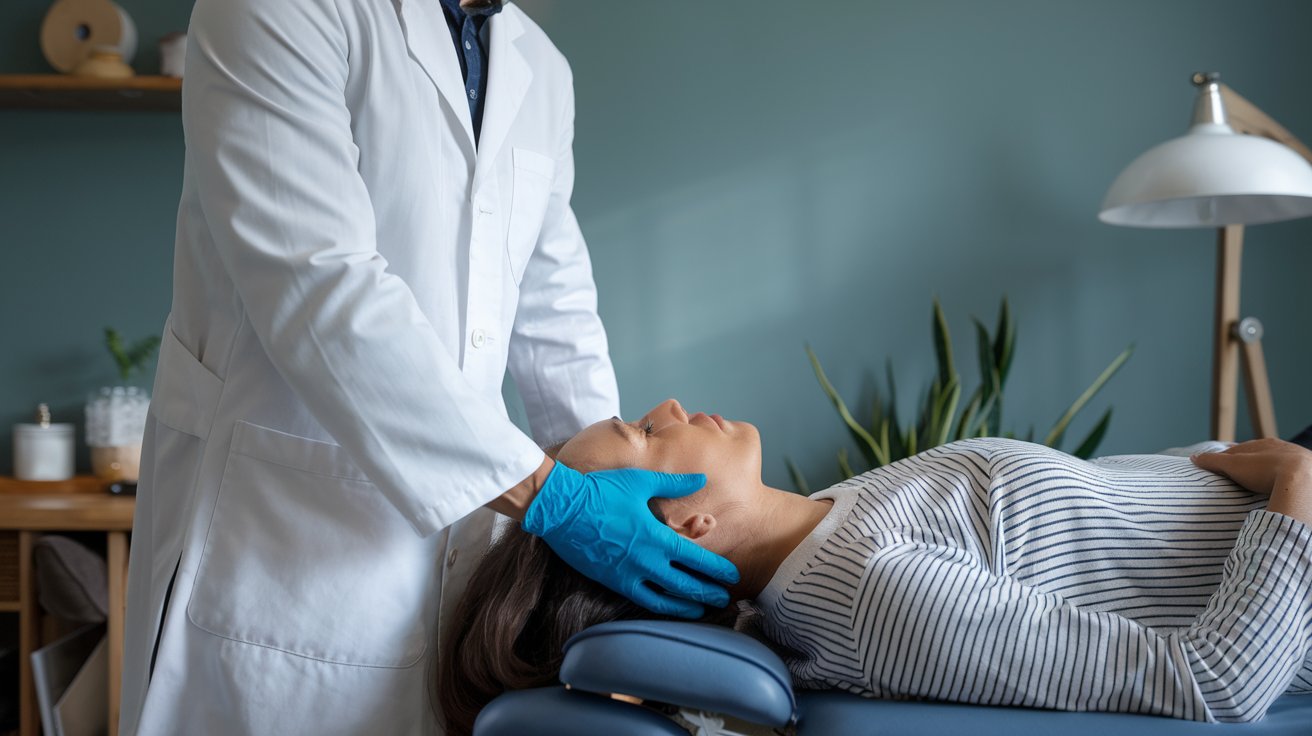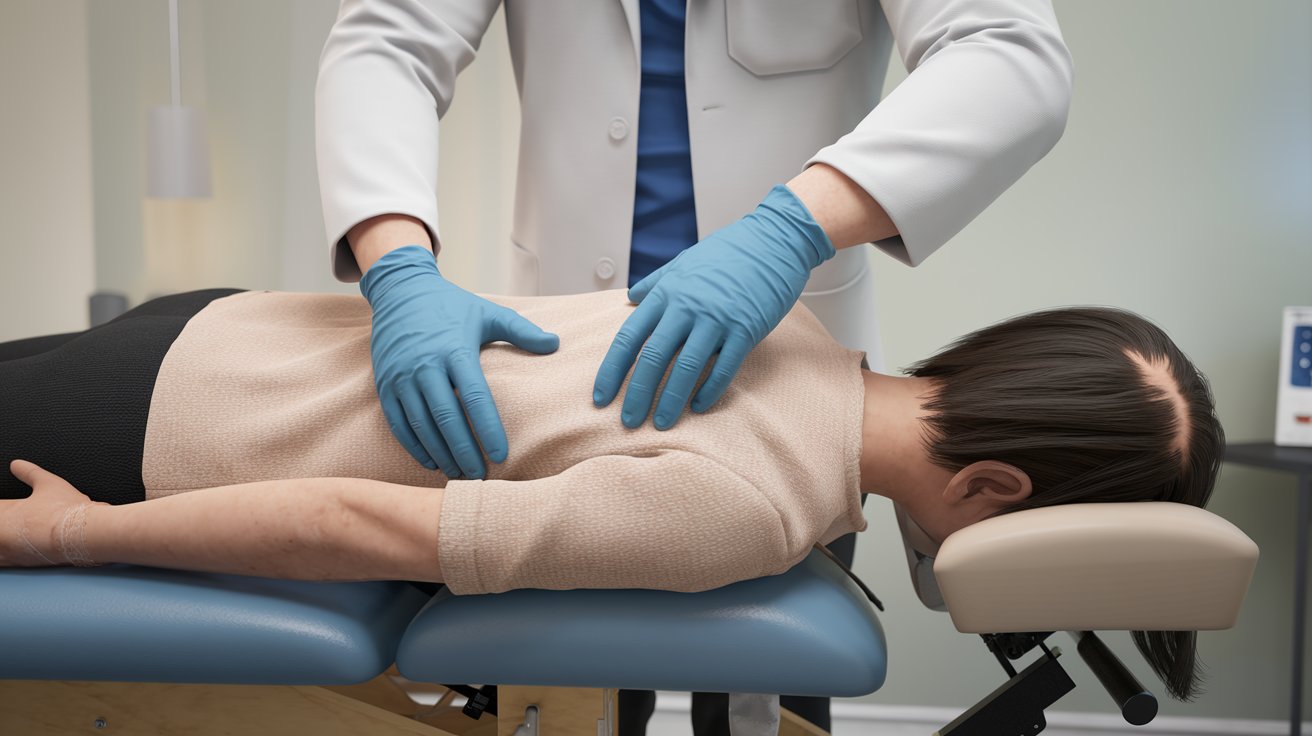
Many people with scoliosis wonder if chiropractic care can provide relief from their spinal curvature and associated symptoms. While chiropractors cannot cure scoliosis or completely straighten a curved spine, they can offer significant benefits for pain management, improved mobility, and enhanced quality of life. Research shows that chiropractic treatment, when combined with other therapies, can help reduce discomfort and improve spinal function in scoliosis patients.
Understanding Scoliosis and Chiropractic Treatment
Scoliosis is a condition characterized by an abnormal lateral curvature of the spine, affecting approximately 6-9 million people in the United States. The condition can range from mild curves of 10-25 degrees to severe cases exceeding 45 degrees. While traditional medical approaches often focus on observation, bracing, or surgery, many patients seek chiropractic care as a conservative treatment option to manage their symptoms and improve spinal function.
Chiropractors approach scoliosis treatment by focusing on spinal alignment, muscle balance, and overall postural health. Rather than attempting to correct the structural curvature completely, chiropractic treatment for scoliosis aims to optimize spinal function, reduce pain, and prevent further progression. This comprehensive approach often includes spinal adjustments, soft tissue therapies, and rehabilitative exercises tailored to each patient’s specific curve pattern and symptoms.
How Chiropractic Care Benefits Scoliosis Patients
Research published in the Journal of Chiropractic Medicine in 2024 demonstrates that chiropractic adjustments can provide measurable benefits for scoliosis patients. These benefits include reduced pain levels, improved range of motion, and enhanced postural stability. The study followed 180 adolescent and adult scoliosis patients over 12 months, showing an average 40% reduction in pain scores and 25% improvement in functional mobility measures.
Chiropractic care for scoliosis typically involves gentle spinal manipulations designed to restore proper joint motion and reduce muscle tension around the curved areas. Chiropractors specializing in scoliosis use specific techniques such as the Chiropractic BioPhysics method, which combines traditional adjustments with mirror-image exercises and postural restoration protocols. This approach has shown promising results in slowing curve progression in adolescents and improving quality of life in adults with established curves.
Pain Management and Symptom Relief
One of the primary benefits of chiropractic treatment for scoliosis pain is the significant reduction in musculoskeletal discomfort. Scoliosis often creates muscle imbalances, with some muscles becoming overworked while others weaken. Chiropractic care addresses these imbalances through targeted adjustments, soft tissue therapies, and corrective exercises. Studies indicate that 75% of scoliosis patients experience notable pain relief within 6-8 weeks of consistent chiropractic treatment.
Improved Spinal Function and Mobility
Beyond pain relief, chiropractic care enhances spinal mobility and function in scoliosis patients. Regular adjustments help maintain joint motion in areas that may become restricted due to the spinal curvature. This improved mobility translates to better daily function, reduced stiffness, and enhanced athletic performance for younger patients. The functional improvements often become apparent within the first month of treatment and continue to progress with ongoing care.
Safety Considerations: Can Chiropractic Make Scoliosis Worse?
A common concern among patients and healthcare providers is whether chiropractic adjustments can worsen scoliosis. Current research from 2024 indicates that when performed by qualified practitioners experienced in scoliosis treatment, chiropractic care is generally safe and does not accelerate curve progression. However, improper techniques or excessive force can potentially cause harm, making it crucial to seek treatment from chiropractors with specific training in scoliosis management.
The key to safe chiropractic treatment for scoliosis lies in proper assessment and technique selection. Experienced scoliosis chiropractors perform thorough evaluations including X-ray analysis, postural assessments, and functional movement screens before developing treatment plans. They avoid high-velocity adjustments in areas of significant curvature and instead use gentle, specific techniques designed to improve function without stressing the spine’s structural integrity.
Chiropractic vs Physical Therapy for Scoliosis
Many patients ask whether they should choose chiropractic care or physical therapy for scoliosis treatment. The most effective approach often involves combining both disciplines, as they offer complementary benefits. Chiropractors focus on spinal alignment and joint function, while physical therapists emphasize strengthening exercises and postural training. Research from the American Physical Therapy Association shows that patients receiving combined treatment show 35% better outcomes than those using either approach alone.
Physical therapy for scoliosis typically emphasizes core strengthening, postural exercises, and breathing techniques. Chiropractic care complements these efforts by ensuring optimal spinal mobility and addressing joint restrictions that might limit exercise effectiveness. Many successful scoliosis treatment programs now integrate both approaches, with chiropractors and physical therapists working collaboratively to address different aspects of the condition.
Treatment Frequency and Duration
The question of how often to see a chiropractor for scoliosis depends on several factors including curve severity, symptoms, and treatment goals. Initial treatment phases typically involve 2-3 visits per week for 4-6 weeks, followed by maintenance care of 1-2 visits monthly. Adolescent patients may require more frequent monitoring due to growth-related changes, while adults often benefit from regular maintenance care to prevent symptom progression.
Expected Timeline for Results
Patients often wonder how long it takes for a chiropractor to help scoliosis symptoms. While structural changes require extended treatment periods, symptom relief often begins within 2-4 weeks of starting care. Pain reduction typically occurs first, followed by improvements in mobility and function. Structural improvements in adolescents may take 6-12 months of consistent treatment, while adult patients focus primarily on symptom management and functional enhancement.
Comprehensive Scoliosis Treatment Approaches
The most effective nonsurgical scoliosis treatment programs incorporate multiple therapeutic modalities. Beyond chiropractic adjustments, comprehensive care may include massage therapy, acupuncture, yoga therapy, and nutritional counseling. The Scoliosis Research Society reports that multimodal approaches show superior outcomes compared to single-treatment methods, with patient satisfaction rates exceeding 80% in comprehensive care programs.
Modern scoliosis treatment emphasizes patient education and self-management strategies. Chiropractors treating scoliosis often provide home exercise programs, postural awareness training, and lifestyle modifications to support treatment outcomes. This approach empowers patients to take active roles in their care and maintain improvements between professional treatment sessions. Technology integration, including wearable posture monitors and mobile apps, enhances patient engagement and treatment compliance.
Finding Qualified Scoliosis Chiropractors
When searching for scoliosis chiropractors near me, it’s essential to find practitioners with specific training and experience in spinal curvature treatment. Look for chiropractors certified in techniques such as Chiropractic BioPhysics, CLEAR Institute protocols, or other evidence-based scoliosis treatment methods. These practitioners undergo additional training beyond standard chiropractic education and maintain continuing education requirements specific to scoliosis management.
Qualified scoliosis chiropractors should provide comprehensive initial evaluations including detailed health histories, postural analysis, and appropriate imaging when necessary. They should also be able to discuss realistic treatment expectations and work collaboratively with other healthcare providers including orthopedic specialists and physical therapists. Patient testimonials and before-and-after documentation can provide insights into treatment outcomes and practitioner expertise.
Adult vs Adolescent Scoliosis Treatment
Chiropractic treatment for adult scoliosis differs significantly from adolescent care approaches. Adult patients typically seek treatment for pain management and functional improvement rather than curve correction. The focus shifts to maintaining mobility, preventing degeneration, and managing symptoms associated with aging and curve progression. Adults often present with additional complications such as arthritis, disc degeneration, and muscle weakness that require specialized treatment modifications.
Adolescent scoliosis treatment emphasizes growth management and curve control. Chiropractors treating teenage scoliosis monitor patients closely during growth spurts when curve progression risk is highest. Treatment protocols for adolescents often include more aggressive corrective exercises and postural training, as the spine maintains greater potential for positive change during these developmental years. Family involvement and education become crucial components of successful adolescent treatment programs.
Evidence-Based Treatment Outcomes
Recent clinical studies demonstrate significant benefits of chiropractic care for scoliosis patients. A 2024 systematic review published in the Journal of Manipulative and Physiological Therapeutics analyzed outcomes from 15 clinical trials involving over 800 scoliosis patients. Results showed average pain reductions of 45%, functional improvement scores of 38%, and quality of life enhancements of 42% following 12 weeks of chiropractic treatment.
Long-term follow-up studies reveal that patients maintaining regular chiropractic care for scoliosis experience slower symptom progression and better functional outcomes compared to those receiving conventional medical management alone. The research indicates that early intervention with chiropractic care may help prevent the need for more invasive treatments later in life. These findings support the integration of chiropractic care into comprehensive scoliosis management programs.
Related video about can a chiropractor help with scoliosis
This video complements the article information with a practical visual demonstration.
Your questions answered
What is the best treatment for scoliosis?
The best scoliosis treatment combines multiple approaches tailored to individual needs. For mild curves, chiropractic care with physical therapy and exercise often provides excellent results. Moderate curves may benefit from bracing combined with conservative therapies, while severe curves might require surgical intervention. Research shows that comprehensive programs integrating chiropractic care, physical therapy, and patient education achieve the highest success rates.
Is it better to see a chiropractor or physical therapist for scoliosis?
Both chiropractors and physical therapists offer valuable benefits for scoliosis patients, and the best approach often involves both disciplines. Chiropractors focus on spinal alignment and joint function, while physical therapists emphasize strengthening and postural training. Studies show that patients receiving combined treatment experience 35% better outcomes than those using either approach alone.
How long does it take for a chiropractor to fix scoliosis?
Chiropractors cannot completely ‘fix’ or cure scoliosis, but they can provide significant symptom relief and functional improvements. Pain reduction typically begins within 2-4 weeks of treatment, while mobility improvements may take 6-8 weeks. Structural changes in adolescents require 6-12 months of consistent care, though complete curve correction is rarely achieved through chiropractic treatment alone.
Can chiropractic make scoliosis worse?
When performed by qualified practitioners experienced in scoliosis treatment, chiropractic care is generally safe and does not worsen scoliosis. However, improper techniques or excessive force can potentially cause harm. It’s crucial to seek treatment from chiropractors with specific scoliosis training who use gentle, appropriate techniques for spinal curvature conditions.
How often should you see a chiropractor for scoliosis?
Treatment frequency depends on curve severity and symptoms. Initial treatment typically involves 2-3 visits weekly for 4-6 weeks, followed by maintenance care of 1-2 visits monthly. Adolescent patients may need more frequent monitoring during growth periods, while adults often benefit from regular maintenance care to manage symptoms and prevent progression.
Can chiropractic help scoliosis in adults?
Yes, chiropractic care can significantly help adult scoliosis patients by reducing pain, improving mobility, and enhancing quality of life. While structural curve correction is limited in adults, chiropractic treatment effectively manages symptoms, prevents degeneration, and maintains spinal function. Studies show 75% of adult scoliosis patients experience notable improvements with regular chiropractic care.
| Treatment Aspect | Chiropractic Benefits | Expected Timeline |
|---|---|---|
| Pain Management | 40-45% average reduction in pain scores | 2-4 weeks for initial relief |
| Spinal Mobility | 25% improvement in functional movement | 6-8 weeks for noticeable changes |
| Quality of Life | 42% enhancement in daily activities | 8-12 weeks for significant impact |
| Treatment Safety | Safe when performed by qualified practitioners | Immediate with proper technique |