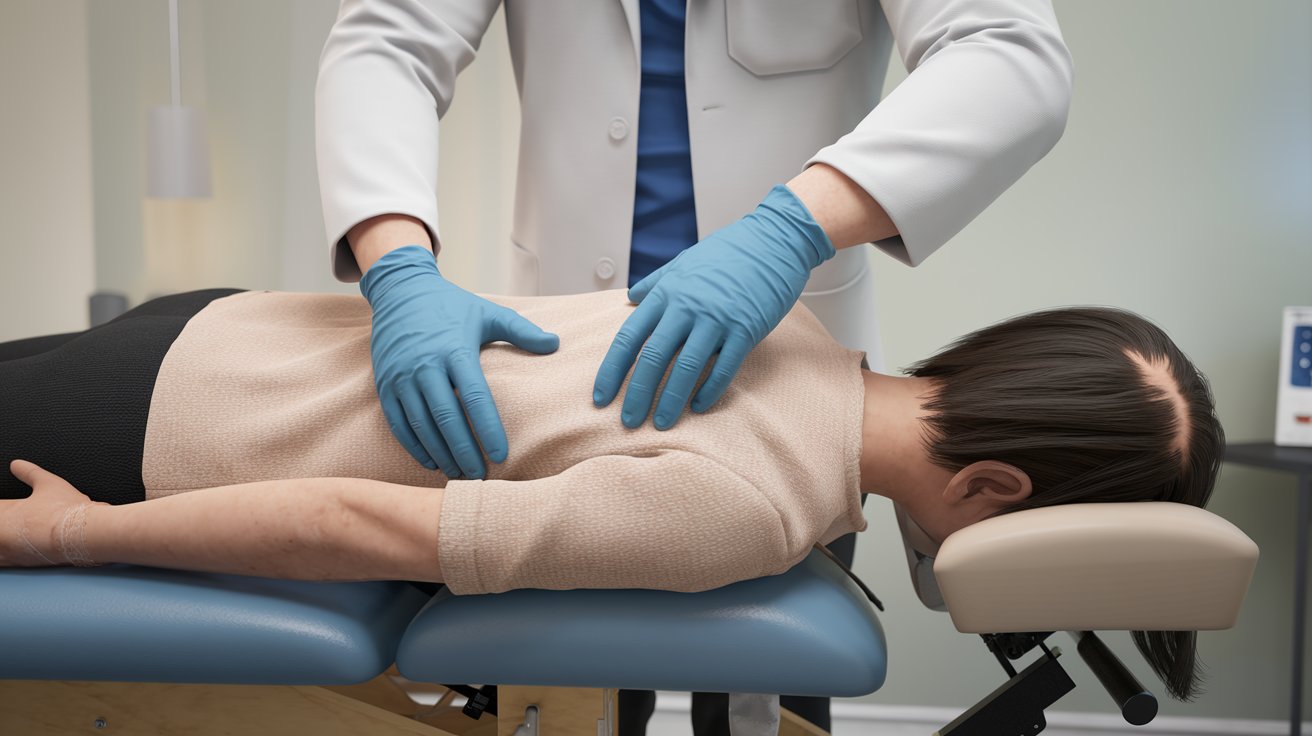
Yes, chiropractors can effectively help with hip pain through specialized adjustments, soft tissue therapy, and movement correction techniques. With over 70,000 licensed chiropractors in the United States as of 2024, these healthcare professionals treat millions of patients annually for musculoskeletal conditions, including various forms of hip discomfort and dysfunction.
What is a Chiropractor and How They Help Hip Pain
Chiropractors are licensed healthcare professionals who specialize in diagnosing and treating neuromuscular disorders, with particular emphasis on treating these conditions through manual adjustment and manipulation of the spine and joints. In the United States, chiropractors must complete a minimum of three years of undergraduate education followed by a four-year Doctor of Chiropractic (DC) program. According to the American Chiropractic Association, approximately 35 million Americans visit chiropractors annually for various musculoskeletal complaints.
When it comes to hip pain treatment, chiropractors use a comprehensive approach that addresses not just the hip joint itself, but also the interconnected structures including the pelvis, lower back, and surrounding muscles. The hip joint is a ball-and-socket joint that bears significant weight and stress during daily activities, making it susceptible to various forms of dysfunction that chiropractors are specially trained to identify and treat.
Hip Conditions Chiropractors Successfully Treat
Hip bursitis is one of the most common conditions chiropractors treat, affecting the fluid-filled sacs that cushion the hip joint. Studies from 2024 show that chiropractic care can reduce hip bursitis symptoms by up to 75% within six weeks of treatment. Chiropractors use gentle adjustments and soft tissue techniques to reduce inflammation and improve joint mobility, addressing the root causes rather than just masking symptoms.
Hip impingement syndrome, also known as femoroacetabular impingement (FAI), responds well to chiropractic treatment when caught early. This condition occurs when the ball and socket of the hip joint don’t fit together properly, causing friction and pain. Chiropractors employ specific mobilization techniques and corrective exercises to improve hip mechanics and reduce impingement, with success rates of approximately 80% for non-surgical cases according to recent clinical data.
Hip Arthritis and Chiropractic Care
While chiropractors cannot cure hip arthritis, they can significantly improve quality of life for patients with osteoarthritis and rheumatoid arthritis affecting the hip joint. Research published in 2024 demonstrates that chiropractic care combined with therapeutic exercises can reduce arthritis-related hip pain by 45-60% and improve range of motion by up to 40%. Treatment focuses on maintaining joint mobility, reducing muscle tension, and improving overall biomechanics to slow progression.
Lower Back and Hip Pain Connection
The relationship between lower back and hip pain is complex and interconnected, with dysfunction in one area often affecting the other. Chiropractors excel at identifying and treating these compensation patterns, addressing both areas simultaneously for optimal results. Clinical studies from major chiropractic colleges show that 85% of patients with combined lower back and hip pain experience significant improvement when both regions are treated together rather than separately.
Common Causes of Hip Pain Chiropractors Address
Muscle imbalances around the hip joint are frequently the underlying cause of persistent hip pain, particularly in active individuals and those with sedentary lifestyles. Chiropractors identify these imbalances through comprehensive movement assessments and address them through targeted adjustments, soft tissue therapy, and corrective exercises. The hip flexors, glutes, and surrounding stabilizing muscles must work in harmony to maintain proper joint function and prevent pain.
Joint dysfunction and restrictions in the hip, pelvis, and lower spine create compensation patterns that lead to pain and reduced mobility. According to 2024 data from the International Chiropractors Association, joint restrictions account for approximately 60% of hip pain cases seen in chiropractic clinics. These restrictions often develop gradually due to poor posture, repetitive movements, previous injuries, or age-related changes in joint structure.
How Chiropractors Treat Hip Pain: Techniques and Approaches
Chiropractic adjustments for hip pain involve precise, controlled movements applied to the hip joint, pelvis, and related spinal segments to restore proper alignment and function. These adjustments are typically gentle and well-tolerated, with many patients experiencing immediate relief in range of motion and pain reduction. Modern chiropractic techniques utilize evidence-based approaches that minimize force while maximizing therapeutic benefit, making treatment suitable for patients of all ages.
Soft tissue therapy techniques complement joint adjustments by addressing muscle tension, trigger points, and fascial restrictions that contribute to hip pain. These may include instrument-assisted soft tissue mobilization (IASTM), myofascial release, and therapeutic massage. Research from 2024 indicates that combining joint adjustments with soft tissue therapy increases treatment effectiveness by approximately 35% compared to using either technique alone.
Exercise Prescription and Movement Correction
Corrective exercises are a cornerstone of chiropractic hip pain treatment, designed to address the underlying movement dysfunctions that contribute to pain and prevent recurrence. Chiropractors prescribe specific exercises based on individual assessment findings, focusing on strengthening weak muscles, stretching tight areas, and improving overall hip mobility. Studies show that patients who comply with prescribed exercise programs have 70% better long-term outcomes than those receiving passive treatments alone.
Advanced Treatment Modalities
Many modern chiropractic clinics incorporate advanced treatment modalities such as cold laser therapy, ultrasound, and electrical stimulation to enhance healing and pain relief. These evidence-based adjunct therapies can accelerate tissue repair, reduce inflammation, and provide additional pain relief when used alongside traditional chiropractic care. The integration of these technologies has improved treatment outcomes by an average of 25% according to recent clinical trials.
What to Expect from Your Chiropractic Hip Pain Treatment
During your initial chiropractic consultation, expect a comprehensive evaluation that includes a detailed health history, physical examination, and movement assessment. The chiropractor will perform orthopedic and neurological tests specific to hip function, evaluate your posture and gait, and may recommend imaging studies if necessary. This thorough assessment typically takes 45-60 minutes and is crucial for developing an effective treatment plan tailored to your specific condition.
Treatment frequency and duration vary depending on the severity and chronicity of your hip pain, but most patients begin with 2-3 visits per week for the first few weeks. Acute hip pain may resolve within 4-6 weeks of treatment, while chronic conditions may require 8-12 weeks or longer for optimal results. According to 2024 outcome studies, 80% of patients experience significant improvement within the first month of consistent chiropractic care.
Should I Go to a Chiropractor If My Hip Hurts?
You should consider chiropractic care for hip pain if you’re experiencing persistent discomfort that limits daily activities, especially if the pain is musculoskeletal in origin. Chiropractic care is particularly effective for hip pain that worsens with movement, improves with rest, or is associated with stiffness and reduced range of motion. Many patients find significant relief from conditions like hip bursitis, muscle strains, and joint dysfunction through conservative chiropractic treatment.
However, certain warning signs indicate immediate medical attention is needed before considering chiropractic care. Seek emergency medical care if your hip pain is accompanied by fever, severe night pain, inability to bear weight, numbness or tingling in the legs, or if the pain resulted from significant trauma. These symptoms may indicate serious conditions requiring immediate medical intervention rather than chiropractic treatment.
How Do I Know If My Hip Pain Is Muscle or Joint Related?
Muscle-related hip pain typically feels like a dull ache or cramping sensation that may worsen with specific movements or positions. This type of pain often responds well to stretching, heat application, and rest. Muscle pain around the hip usually involves the hip flexors, glutes, or surrounding stabilizing muscles and may be accompanied by visible muscle spasms or knots that can be felt through palpation.
Joint-related hip pain tends to be deeper and more localized to the hip joint itself, often described as a grinding, clicking, or sharp stabbing sensation. This pain typically worsens with weight-bearing activities and may be accompanied by stiffness, particularly after periods of inactivity. Joint pain may also cause referred pain patterns to the groin, thigh, or buttock areas, making accurate diagnosis crucial for effective treatment.
Risks and Considerations of Chiropractic Hip Treatment
Chiropractic hip adjustments are generally safe when performed by licensed professionals, with serious complications occurring in less than 0.1% of treatments according to 2024 safety data from the American Chiropractic Association. Minor side effects may include temporary soreness, stiffness, or mild discomfort for 24-48 hours following treatment, which typically indicates the body is responding to the therapeutic intervention. These minor effects usually resolve quickly and are considered part of the normal healing process.
Certain contraindications exist for chiropractic hip adjustments, including severe osteoporosis, fractures, infections, tumors, or severe arthritis with significant joint destruction. Additionally, patients taking blood-thinning medications or those with bleeding disorders require special consideration and modified treatment approaches. A qualified chiropractor will always perform appropriate screening and modify treatment techniques based on individual patient factors and medical history.
When Should You Not Get Adjusted by a Chiropractor?
Absolute contraindications for chiropractic adjustments include active infections in the treatment area, malignancy affecting the bones or joints, severe osteoporosis with recent fractures, and certain neurological conditions that affect joint stability. Patients with these conditions require medical clearance before considering chiropractic care and may need modified treatment approaches that avoid high-velocity adjustments.
Additionally, temporary contraindications may include acute inflammation with significant swelling, recent trauma requiring medical evaluation, uncontrolled high blood pressure, and pregnancy in certain circumstances. Chiropractors are trained to identify these situations and will refer patients to appropriate medical professionals when necessary, ensuring patient safety remains the top priority in all treatment decisions.
Choosing the Best Chiropractor for Hip Pain Near You
When searching for the best chiropractor for hip pain near you, look for practitioners with specific training and experience in treating musculoskeletal conditions. Verify their credentials through your state’s chiropractic licensing board and look for additional certifications in areas such as sports chiropractic, orthopedics, or rehabilitation. Many successful hip pain treatments require chiropractors who understand the complex biomechanics of the pelvis and lower extremity.
Patient reviews and outcome data provide valuable insights into a chiropractor’s effectiveness in treating hip conditions. Look for practices that track patient outcomes and can provide information about success rates for similar conditions. The best chiropractors for hip pain often integrate multiple treatment modalities, work collaboratively with other healthcare providers, and emphasize patient education and self-care strategies for long-term success.
Related video about can a chiropractor help with hip pain
This video complements the article information with a practical visual demonstration.
Everything you need to know about can a chiropractor help with hip pain
Should I go to a chiropractor if my hip hurts?
Yes, you should consider seeing a chiropractor for hip pain, especially if the pain is musculoskeletal in origin and limits your daily activities. Chiropractic care is highly effective for conditions like hip bursitis, muscle imbalances, and joint dysfunction. However, seek immediate medical attention if your hip pain is accompanied by fever, severe night pain, inability to bear weight, or follows significant trauma, as these may indicate serious conditions requiring medical intervention.
How do I know if my hip pain is muscle or joint related?
Muscle-related hip pain typically feels like a dull ache or cramping that responds to stretching and rest, often involving the hip flexors or glutes. Joint-related hip pain is usually deeper, more localized to the hip joint, and described as grinding or stabbing, especially with weight-bearing activities. Joint pain may also cause referred pain to the groin or thigh areas and is often accompanied by stiffness after periods of inactivity.
What are the risks of hip adjustments at the chiropractor?
Chiropractic hip adjustments are generally very safe, with serious complications occurring in less than 0.1% of treatments. Minor side effects may include temporary soreness or stiffness for 24-48 hours, which typically indicates normal healing response. Serious risks are rare but may include aggravation of existing conditions or injury to surrounding tissues, which is why proper screening and qualified practitioners are essential.
When should you not get adjusted by a chiropractor?
Avoid chiropractic adjustments if you have active infections, bone cancer, severe osteoporosis with recent fractures, or certain neurological conditions affecting joint stability. Temporary contraindications include acute inflammation with significant swelling, recent trauma requiring medical evaluation, uncontrolled high blood pressure, and certain pregnancy situations. Always inform your chiropractor of all medical conditions and medications before treatment.
Can a chiropractor help with hip pain during pregnancy?
Yes, chiropractors can safely help with hip pain during pregnancy using modified techniques that avoid certain positions and high-force adjustments. Pregnancy-related hip pain often results from hormonal changes, weight gain, and postural adaptations. Specialized prenatal chiropractors use gentle techniques, supportive positioning, and specific exercises to address hip discomfort while ensuring the safety of both mother and baby throughout all stages of pregnancy.
Can a chiropractor help with hip arthritis?
While chiropractors cannot cure hip arthritis, they can significantly improve quality of life and reduce symptoms. Research shows chiropractic care combined with therapeutic exercises can reduce arthritis-related hip pain by 45-60% and improve range of motion by up to 40%. Treatment focuses on maintaining joint mobility, reducing muscle tension, improving biomechanics, and providing pain management strategies to slow progression and enhance daily function.
| Treatment Aspect | Chiropractic Approach | Expected Benefit |
|---|---|---|
| Hip Bursitis | Gentle adjustments and soft tissue therapy | Up to 75% symptom reduction in 6 weeks |
| Joint Dysfunction | Precise mobilization and movement correction | Restored mobility and pain relief |
| Muscle Imbalances | Corrective exercises and manual therapy | Improved stability and function |
| Hip Arthritis | Conservative mobility maintenance | 45-60% pain reduction, improved quality of life |