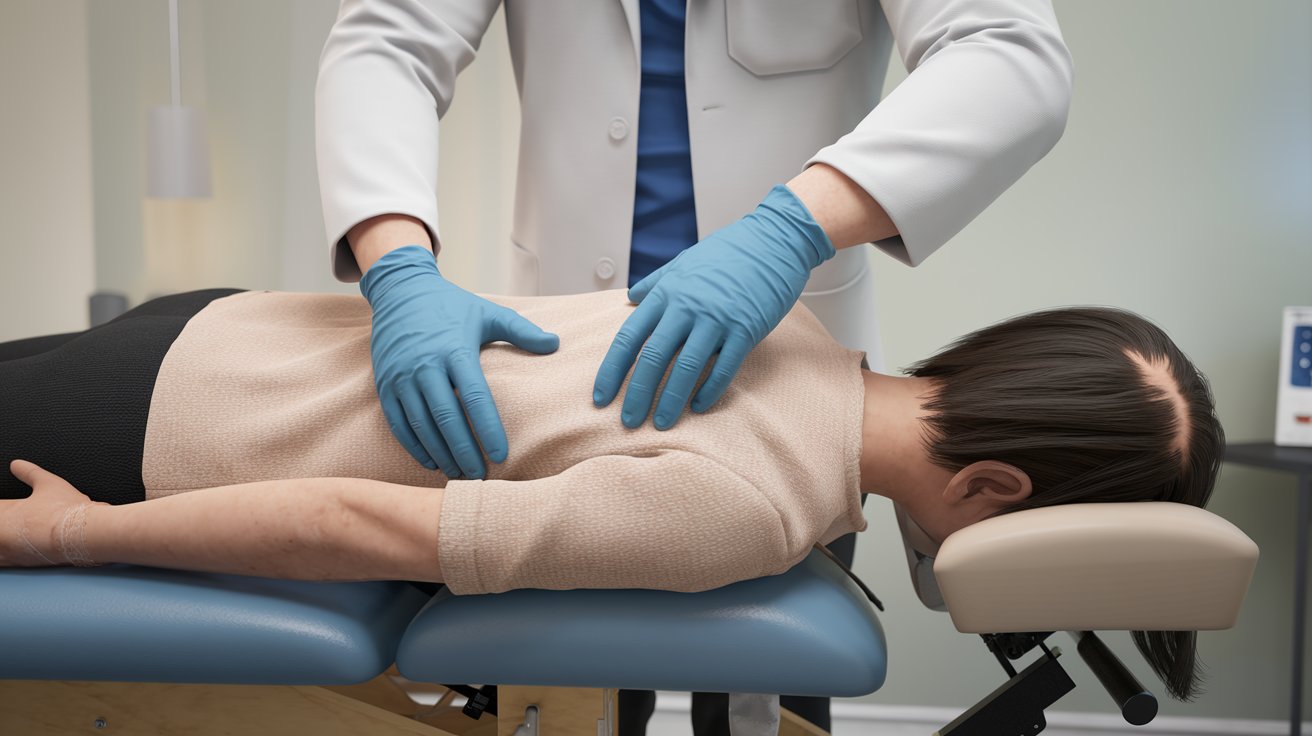
Spinal manipulation is a therapeutic technique involving controlled force applied to spinal joints to improve mobility, reduce pain, and restore function. Performed by licensed chiropractors, physical therapists, and osteopathic physicians, this spinal manipulation therapy helps millions of Americans manage back pain, neck pain, and musculoskeletal conditions. Understanding the benefits, risks, and proper application of this treatment is essential for making informed healthcare decisions.
What Is Spinal Manipulation
Spinal manipulation is a hands-on treatment method where a trained healthcare provider applies a controlled, sudden force to specific spinal joints that have restricted movement or dysfunction. This therapeutic approach aims to improve spinal motion, enhance physical function, and reduce pain through precise joint mobilization. The technique involves quick, shallow thrusts that often produce an audible “pop” or “crack” sound, which results from gas bubbles being released from the joint fluid.
Healthcare professionals who perform spinal manipulation techniques include chiropractors, osteopathic physicians, and specially trained physical therapists. The treatment focuses on restoring normal biomechanical function to the spine while addressing muscle tension and joint restrictions. According to the American Chiropractic Association, approximately 35 million Americans receive spinal manipulation treatment annually, making it one of the most common complementary healthcare approaches in the United States.
Spinal Manipulation vs Mobilization
Understanding the difference between spinal manipulation vs mobilization is crucial for patients considering treatment options. Spinal manipulation involves high-velocity, low-amplitude thrusts that typically produce joint cavitation (the audible pop), while spinal mobilization uses slower, gentler movements within the joint’s normal range of motion. Mobilization techniques apply sustained pressure and rhythmic oscillations without the sudden thrust characteristic of manipulation.
Spinal manipulation therapy generally provides more immediate results for acute conditions, while mobilization offers a gentler approach suitable for patients who cannot tolerate high-velocity techniques. Physical therapists often prefer mobilization techniques, while chiropractors traditionally emphasize manipulation methods. Both approaches can be effective, and the choice depends on patient condition, tolerance, and practitioner preference. Research indicates that manipulation may be more effective for acute low back pain, while mobilization works well for chronic conditions and sensitive patients.
Benefits of Spinal Manipulation
The spinal manipulation benefits extend beyond simple pain relief, encompassing improved function, enhanced mobility, and better quality of life. Clinical studies demonstrate that spinal manipulation can significantly reduce acute and chronic back pain, with many patients experiencing immediate relief following treatment. The technique helps restore normal joint mechanics, reduces muscle tension, and can decrease inflammation in affected areas.
Research published in major medical journals shows that spinal manipulation is particularly effective for lower back pain, neck pain, and certain types of headaches. A 2024 systematic review found that patients receiving spinal manipulation showed 30-40% greater improvement in pain scores compared to those receiving conventional medical care alone. Additional benefits include improved range of motion, enhanced athletic performance, better sleep quality, and reduced dependence on pain medications. Many patients report feeling more energetic and experiencing improved overall well-being following regular spinal manipulation treatments.
Spinal Manipulation Techniques
Various spinal manipulation techniques are employed depending on the patient’s condition, age, and specific needs. The diversified technique is the most commonly used method, involving specific manual adjustments to individual vertebrae using precise hand placement and controlled force. High-velocity, low-amplitude (HVLA) thrusts characterize this approach, targeting specific spinal segments that demonstrate restricted motion or dysfunction.
Other popular techniques include the Gonstead method, which emphasizes detailed analysis and specific adjustments, and the Activator method, which uses a spring-loaded instrument instead of manual force. Thompson technique utilizes specialized tables with drop sections to assist the adjustment, while Flexion-Distraction technique involves gentle stretching movements. Each spinal manipulation technique has specific indications and contraindications, requiring proper training and expertise for safe and effective application.
Manual Spinal Manipulation Techniques
Manual spinal manipulation techniques represent the traditional approach where practitioners use their hands to deliver precise adjustments. These methods require extensive training to develop proper hand placement, force application, and timing. The diversified technique remains the gold standard, teaching practitioners to identify joint restrictions through palpation and motion testing before applying specific corrective forces. Practitioners must master leverage principles, patient positioning, and force vector applications to achieve optimal results while maintaining safety.
Instrument-Assisted Spinal Manipulation
Instrument-assisted spinal manipulation has gained popularity due to its precision and reproducibility. The Activator adjusting instrument delivers consistent, measured forces that can be calibrated to patient needs. These devices are particularly useful for elderly patients, those with osteoporosis, or individuals who cannot tolerate manual adjustments. Impulse adjusting instruments and other mechanical devices provide controlled force application while reducing practitioner fatigue and improving treatment consistency across multiple sessions.
Spinal Manipulation Safety and Risks
When considering is spinal manipulation safe, it’s important to understand that this treatment is generally safe when performed by properly trained and licensed healthcare providers. The overall risk of serious adverse events is extremely low, with studies indicating that severe complications occur in less than 1 per million treatments. However, like any medical intervention, spinal manipulation does carry some risks that patients should understand before treatment.
Minor spinal manipulation side effects are relatively common and typically resolve within 24-48 hours. These may include temporary soreness, stiffness, or mild headaches. Serious complications, while rare, can include herniated discs, nerve compression, or in extremely rare cases, stroke related to cervical manipulation. The American Physical Therapy Association emphasizes that proper patient screening, appropriate technique selection, and adherence to safety protocols significantly minimize these risks.
Common Spinal Manipulation Side Effects
Most spinal manipulation side effects are mild and temporary, affecting approximately 30-60% of patients. These commonly include muscle soreness similar to post-exercise discomfort, temporary stiffness in treated areas, and mild fatigue. Some patients experience brief headaches or dizziness following cervical adjustments. These reactions typically indicate normal tissue response to treatment and usually resolve within 1-2 days. Patients can minimize discomfort by applying ice to treated areas, staying hydrated, and avoiding strenuous activities immediately after treatment.
Serious Risks and Contraindications
While serious complications from spinal manipulation are rare, certain conditions contraindicate this treatment approach. Absolute contraindications include spinal fractures, spinal cord compression, severe osteoporosis, and active infections. Relative contraindications require careful consideration and may include pregnancy, severe arthritis, or blood clotting disorders. Practitioners must conduct thorough examinations, review medical history, and obtain appropriate imaging when indicated to identify potential risk factors before proceeding with manipulation treatments.
Spinal Manipulation in Physical Therapy
Spinal manipulation physical therapy represents an evidence-based approach where licensed physical therapists incorporate manipulation techniques into comprehensive treatment plans. Physical therapists who perform spinal manipulation must complete additional training and certification programs beyond their standard doctoral education. This specialized training ensures proper technique execution and patient safety while integrating manipulation with other therapeutic interventions.
The physical therapy approach to spinal manipulation typically emphasizes a multimodal treatment strategy combining manual techniques with therapeutic exercises, patient education, and movement training. Research shows that this integrated approach often produces superior outcomes compared to manipulation alone. Physical therapists are particularly skilled at addressing movement dysfunctions and muscle imbalances that contribute to spinal problems, making them well-suited to provide comprehensive spinal care that extends beyond symptom relief to address underlying causes.
What to Expect During Spinal Manipulation
Understanding what happens during spinal manipulation therapy helps patients prepare for treatment and set appropriate expectations. The process typically begins with a comprehensive evaluation including medical history, physical examination, and possibly imaging studies. The practitioner will assess spinal alignment, range of motion, muscle tension, and identify specific areas of dysfunction requiring treatment attention.
During the actual spinal manipulation procedure, patients are positioned on a specialized treatment table designed to facilitate proper body mechanics and force application. The practitioner uses precise hand placement and body positioning to deliver controlled thrusts to specific spinal segments. The characteristic “popping” sound often occurs but is not necessary for successful treatment. Most manipulation sessions last 15-30 minutes and may include multiple adjustments to different spinal regions depending on the patient’s condition and treatment goals.
Preparation for Spinal Manipulation
Proper preparation enhances the effectiveness and safety of spinal manipulation treatments. Patients should wear comfortable, loose-fitting clothing that allows easy movement and access to treatment areas. Avoiding heavy meals 2-3 hours before treatment prevents discomfort during positioning. It’s important to inform the practitioner about any recent injuries, medications, or changes in symptoms. Arriving relaxed and well-hydrated helps ensure optimal treatment response and reduces the likelihood of post-treatment soreness.
Post-Treatment Care and Recovery
Following spinal manipulation therapy, patients typically receive specific instructions to optimize treatment outcomes and minimize side effects. Common recommendations include applying ice to treated areas for 15-20 minutes several times daily, staying well-hydrated, and performing gentle stretching exercises as prescribed. Most patients can resume normal activities immediately, though heavy lifting or strenuous exercise may be temporarily restricted. How long does spinal manipulation last in terms of benefits varies, with acute conditions often requiring 4-6 treatments over 2-3 weeks, while chronic conditions may need ongoing maintenance care.
Spinal Manipulation Training and Courses
Healthcare professionals seeking to provide spinal manipulation services must complete extensive education and training programs. Chiropractors receive comprehensive spinal manipulation training as part of their four-year doctoral program, including anatomy, biomechanics, diagnosis, and hands-on technique instruction. Physical therapists interested in providing manipulation services must complete additional post-graduate certification programs through organizations like the American Academy of Orthopaedic Manual Physical Therapists.
Spinal manipulation courses for qualified healthcare providers focus on proper technique execution, patient safety, clinical decision-making, and evidence-based practice. These programs typically require 150-300 hours of continuing education, including didactic instruction, hands-on training, and supervised clinical experience. In 2024, several states have updated their licensing requirements for physical therapists performing spinal manipulation, emphasizing the importance of proper training and ongoing competency maintenance.
Choosing the Right Provider for Spinal Manipulation
Selecting a qualified provider for spinal manipulation therapy requires careful consideration of credentials, experience, and treatment approach. Licensed chiropractors, osteopathic physicians, and specially trained physical therapists can all provide spinal manipulation services, but their approaches and scope of practice may differ. Patients should verify provider licensing, ask about specific training in spinal manipulation, and inquire about experience treating similar conditions.
When evaluating potential providers for spinal manipulation, consider factors such as examination thoroughness, treatment philosophy, communication style, and willingness to coordinate care with other healthcare providers. Quality practitioners will conduct comprehensive evaluations, explain treatment rationale, discuss risks and benefits, and provide realistic expectations about outcomes. They should also be willing to refer patients to other specialists when appropriate and modify treatment approaches based on patient response and progress.
Related video about spinal manipulation
This video complements the article information with a practical visual demonstration.
Most asked questions about spinal manipulation
What is a spinal manipulation?
Spinal manipulation is a therapeutic technique where a trained healthcare provider applies controlled, sudden force to specific spinal joints to improve mobility and reduce pain. The treatment involves high-velocity, low-amplitude thrusts that often produce an audible ‘pop’ sound, helping restore normal joint function and reduce muscle tension.
What is the difference between a chiropractor and spinal manipulation?
A chiropractor is a healthcare professional who specializes in diagnosing and treating musculoskeletal conditions, while spinal manipulation is one of the treatment techniques they use. Chiropractors receive extensive training in spinal manipulation as part of their four-year doctoral program, but they also provide other services like exercise therapy, lifestyle counseling, and nutritional advice.
What are the risks of spinal manipulation?
Spinal manipulation is generally safe when performed by licensed practitioners, with serious complications occurring in less than 1 per million treatments. Minor side effects include temporary soreness, stiffness, or headaches that typically resolve within 24-48 hours. Rare but serious risks can include herniated discs, nerve compression, or stroke related to cervical manipulation.
How long does spinal manipulation last?
The effects of spinal manipulation vary depending on the condition and individual patient factors. For acute conditions, benefits may last several days to weeks, with most patients requiring 4-6 treatments over 2-3 weeks. Chronic conditions may need ongoing maintenance treatments every few weeks or months to maintain optimal function and pain relief.
Is spinal manipulation safe for everyone?
While spinal manipulation is safe for most people, certain conditions contraindicate this treatment. Absolute contraindications include spinal fractures, severe osteoporosis, spinal cord compression, and active infections. Patients with these conditions should avoid spinal manipulation and seek alternative treatments under medical supervision.
Can physical therapists perform spinal manipulation?
Yes, licensed physical therapists can perform spinal manipulation after completing additional specialized training and certification programs. These programs require 150-300 hours of continuing education beyond their doctoral degree, focusing on proper technique execution, patient safety, and clinical decision-making for spinal manipulation therapy.
| Treatment Aspect | Key Details | Primary Benefit |
|---|---|---|
| Safety Profile | Less than 1 serious complication per million treatments | Extremely low risk when properly performed |
| Effectiveness | 30-40% greater pain improvement vs conventional care | Significant pain relief and improved function |
| Treatment Duration | Acute: 4-6 sessions over 2-3 weeks | Relatively quick treatment timeline |
| Provider Options | Chiropractors, PTs, osteopathic physicians | Multiple qualified provider types available |