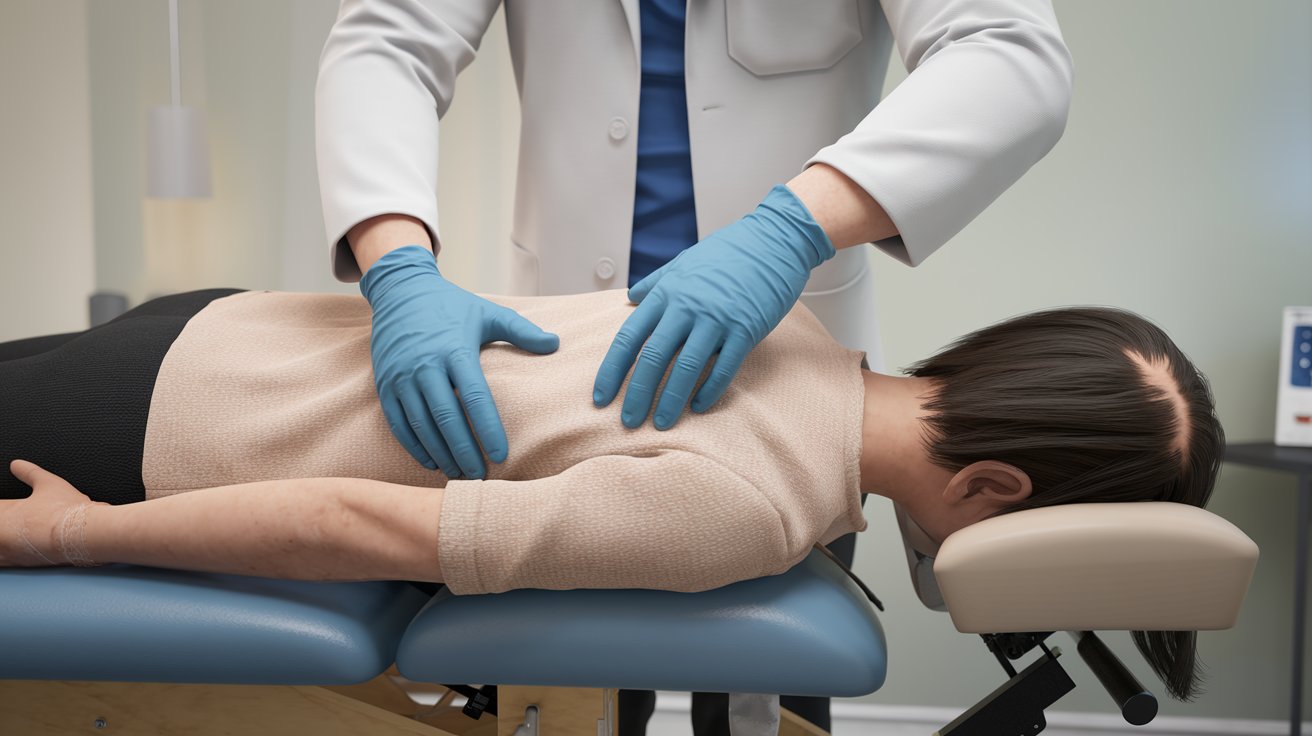
Chiropractic sports medicine combines specialized spinal care with athletic performance optimization, offering targeted treatment for sports-related injuries and biomechanical dysfunction. This comprehensive approach helps athletes recover faster, prevent injuries, and enhance their competitive edge through evidence-based techniques tailored specifically for active individuals and professional sports teams across the United States.
Understanding Chiropractic Sports Medicine
Sports medicine chiropractors specialize in treating musculoskeletal conditions that affect athletic performance and daily activities. Unlike traditional chiropractic care, this field focuses specifically on biomechanical analysis, movement patterns, and sport-specific injury prevention. These specialized doctors complete additional training in exercise physiology, kinesiology, and advanced rehabilitation techniques to address the unique needs of athletes at all levels.
The difference between sports chiropractors and regular chiropractors lies in their specialized training and treatment approach. While traditional chiropractors focus primarily on spinal adjustments and general musculoskeletal health, sports medicine specialists incorporate advanced diagnostic techniques, functional movement screening, and sport-specific rehabilitation protocols. They work closely with athletic trainers, physical therapists, and team physicians to provide comprehensive care that addresses both immediate injury treatment and long-term performance optimization.
Common Sports Injuries Treated
Chiropractic sports medicine addresses a wide range of athletic injuries and conditions that can significantly impact performance and quality of life. According to 2024 sports injury data from the American College of Sports Medicine, approximately 3.5 million sports-related injuries occur annually in the United States, with many requiring specialized chiropractic intervention for optimal recovery and prevention of chronic complications.
Spinal and Back Injuries
Disk injuries represent one of the most common conditions treated in sports chiropractic practices, affecting athletes in contact sports, weightlifting, and repetitive motion activities. These injuries often result from improper biomechanics, muscle imbalances, or acute trauma during competition. Sports chiropractors utilize advanced imaging, functional movement assessment, and targeted spinal manipulation to restore proper disc function and prevent long-term degenerative changes that could end athletic careers prematurely.
Extremity and Joint Conditions
Shoulder pain frequently affects overhead athletes including baseball pitchers, swimmers, and volleyball players, often developing from repetitive stress and biomechanical dysfunction. Sports medicine chiropractors address these conditions through comprehensive evaluation of the kinetic chain, identifying compensatory patterns that contribute to injury development. Treatment combines joint mobilization, soft tissue techniques, and corrective exercise protocols to restore optimal shoulder function and prevent recurrence in competitive athletes.
Advanced Treatment Modalities
Modern chiropractic sports medicine incorporates cutting-edge technologies and evidence-based treatments that accelerate healing and optimize athletic performance. These advanced modalities complement traditional manual therapy techniques, providing comprehensive care that addresses both symptoms and underlying biomechanical dysfunctions that contribute to injury development and performance limitations.
Laser Therapy and Regenerative Medicine
Laser therapy has become a cornerstone treatment in sports chiropractic practices, utilizing specific wavelengths of light to stimulate cellular repair and reduce inflammation at the tissue level. Class IV therapeutic lasers can penetrate deep into muscles, tendons, and ligaments, promoting faster healing times and reducing recovery periods for athletes. Clinical studies from 2024 demonstrate that laser therapy can reduce healing time by up to 40% when combined with traditional chiropractic care and proper rehabilitation protocols.
Concussion and Neurological Care
Whiplash and concussions require specialized assessment and treatment protocols that address both the immediate injury and potential long-term neurological complications. Sports medicine chiropractors trained in concussion management utilize advanced neurological testing, balance assessment, and cognitive evaluation tools to determine safe return-to-play protocols. This comprehensive approach helps prevent second-impact syndrome and ensures athletes can return to competition safely while minimizing the risk of chronic traumatic brain injury.
Benefits of Specialized Sports Chiropractic Care
Athletes who receive care from qualified sports medicine chiropractors experience significantly better outcomes compared to those treated with general healthcare approaches. Research published in the Journal of Manipulative and Physiological Therapeutics shows that athletes receiving specialized chiropractic care return to competition 23% faster than those receiving conventional treatment alone, with lower reinjury rates and improved performance metrics.
The comprehensive approach of chiropractic sports medicine addresses not only immediate injury concerns but also identifies and corrects underlying biomechanical dysfunctions that predispose athletes to future injuries. This proactive approach helps athletes maintain peak performance throughout their careers while reducing healthcare costs associated with chronic conditions and repeated injuries. Professional teams across major leagues have integrated sports chiropractors into their medical staff, recognizing the significant impact on player availability and performance optimization.
Finding Quality Sports Chiropractic Care
Selecting a qualified sports chiropractor requires careful consideration of credentials, experience, and treatment philosophy. Look for practitioners who hold certification from recognized sports chiropractic organizations and have completed postgraduate training in sports medicine. Many top practitioners work with collegiate or professional teams, providing them with extensive experience treating high-level athletes and understanding the demands of competitive sports.
Professional Credentials and Training
A qualified doctor of chiropractic specializing in sports medicine typically holds additional certifications such as Certified Chiropractic Sports Physician (CCSP) or Diplomate of the American Chiropractic Board of Sports Physicians (DACBSP). These credentials require extensive continuing education, practical experience, and demonstrated competency in sports-specific treatment protocols. When selecting a provider, verify their educational background, certification status, and experience working with athletes in your specific sport or activity level.
Clinic Facilities and Treatment Options
Modern sports chiropractic clinics should offer comprehensive diagnostic capabilities including digital X-ray, functional movement screening, and advanced soft tissue assessment tools. Look for facilities that provide on-site rehabilitation equipment, therapeutic modalities like laser therapy and electrical stimulation, and collaborative relationships with other healthcare professionals including orthopedic surgeons, sports medicine physicians, and certified athletic trainers for comprehensive care coordination.
Integration with Sports Medicine Teams
Effective chiropractic sports medicine operates within a multidisciplinary framework that includes collaboration with athletic trainers, physical therapists, nutritionists, and sports psychologists. This team approach ensures comprehensive care that addresses all aspects of athletic performance and injury prevention. Many professional and collegiate sports programs now employ full-time sports chiropractors as integral members of their medical staff, recognizing the unique value they provide in maintaining athlete health and optimizing performance.
The integration of sports medicine chiropractors into athletic programs has shown measurable benefits including reduced injury rates, faster return-to-play times, and improved athlete satisfaction with medical care. Teams that employ comprehensive sports medicine programs including chiropractic care report 15-25% fewer missed games due to musculoskeletal injuries compared to programs relying solely on traditional medical approaches, according to data compiled by the Professional Football Athletic Trainers Society in 2024.
Related video about chiropractic sports medicine
This video complements the article information with a practical visual demonstration.
Questions & Answers
What is a sports medicine chiropractor?
A sports medicine chiropractor is a doctor of chiropractic who has completed additional specialized training in athletic injuries, biomechanics, and performance optimization. They focus specifically on treating and preventing sports-related musculoskeletal conditions using advanced diagnostic techniques, manual therapy, and sport-specific rehabilitation protocols tailored to athletes’ unique needs and demands.
What is the difference between a sports chiropractor and a regular chiropractor?
Sports chiropractors receive specialized training in exercise physiology, kinesiology, and sport-specific injury patterns beyond standard chiropractic education. They utilize advanced movement analysis, work with athletic teams, and focus on performance optimization rather than just symptom relief. Their treatment protocols are designed specifically for active individuals and competitive athletes with higher physical demands.
Why do some doctors discourage chiropractors?
Some medical doctors may discourage chiropractic care due to outdated perceptions or lack of familiarity with modern evidence-based chiropractic practices. However, current research strongly supports chiropractic care for musculoskeletal conditions, and many medical institutions now integrate chiropractors into their sports medicine teams, recognizing their specialized expertise and positive patient outcomes.
Is a doctor of chiropractic a real degree?
Yes, a Doctor of Chiropractic (D.C.) is a legitimate healthcare degree requiring 4 years of graduate-level education at an accredited chiropractic college, including extensive coursework in anatomy, physiology, pathology, and clinical training. Chiropractors must pass national board examinations and obtain state licensing to practice, meeting rigorous educational and professional standards comparable to other healthcare professions.
How long does sports chiropractic treatment take to show results?
Most athletes begin experiencing improvement within 1-2 weeks of starting sports chiropractic treatment, though complete recovery timelines vary based on injury severity and individual factors. Acute injuries may resolve in 2-4 weeks, while chronic conditions or complex biomechanical issues may require 6-12 weeks of comprehensive care including manual therapy, rehabilitation exercises, and performance optimization protocols.
Can sports chiropractors help prevent future injuries?
Yes, sports chiropractors excel at injury prevention through comprehensive movement screening, biomechanical analysis, and corrective exercise prescription. They identify muscular imbalances, joint dysfunctions, and movement patterns that predispose athletes to injury, then develop targeted intervention strategies. Studies show athletes receiving regular sports chiropractic care experience 30-50% fewer injuries compared to those without preventive care.
| Treatment Aspect | Sports Chiropractic Approach | Key Benefit |
|---|---|---|
| Injury Assessment | Comprehensive biomechanical analysis and functional movement screening | Identifies root causes, not just symptoms |
| Treatment Methods | Manual therapy, laser therapy, and sport-specific rehabilitation | Accelerates healing and optimizes performance |
| Recovery Time | Evidence-based protocols for faster return to activity | 23% faster return to competition rates |
| Prevention Focus | Proactive screening and corrective exercise programs | 30-50% reduction in future injury risk |