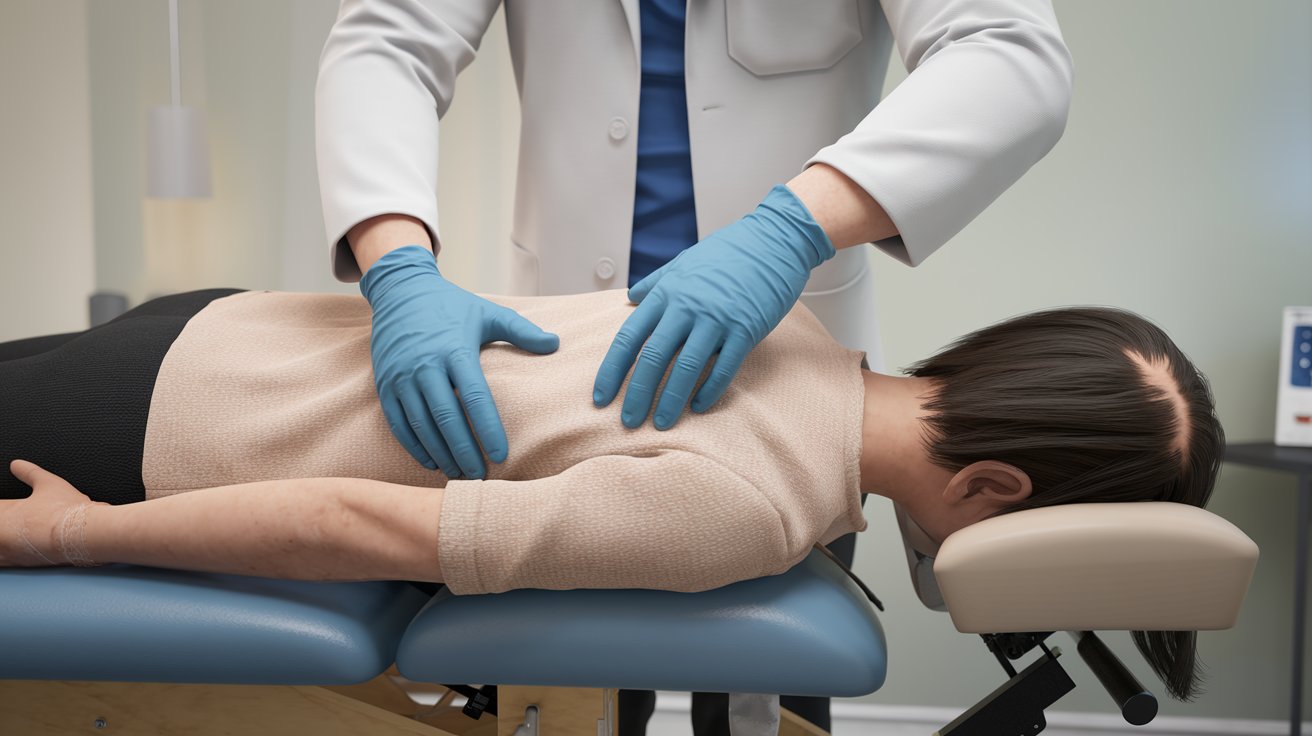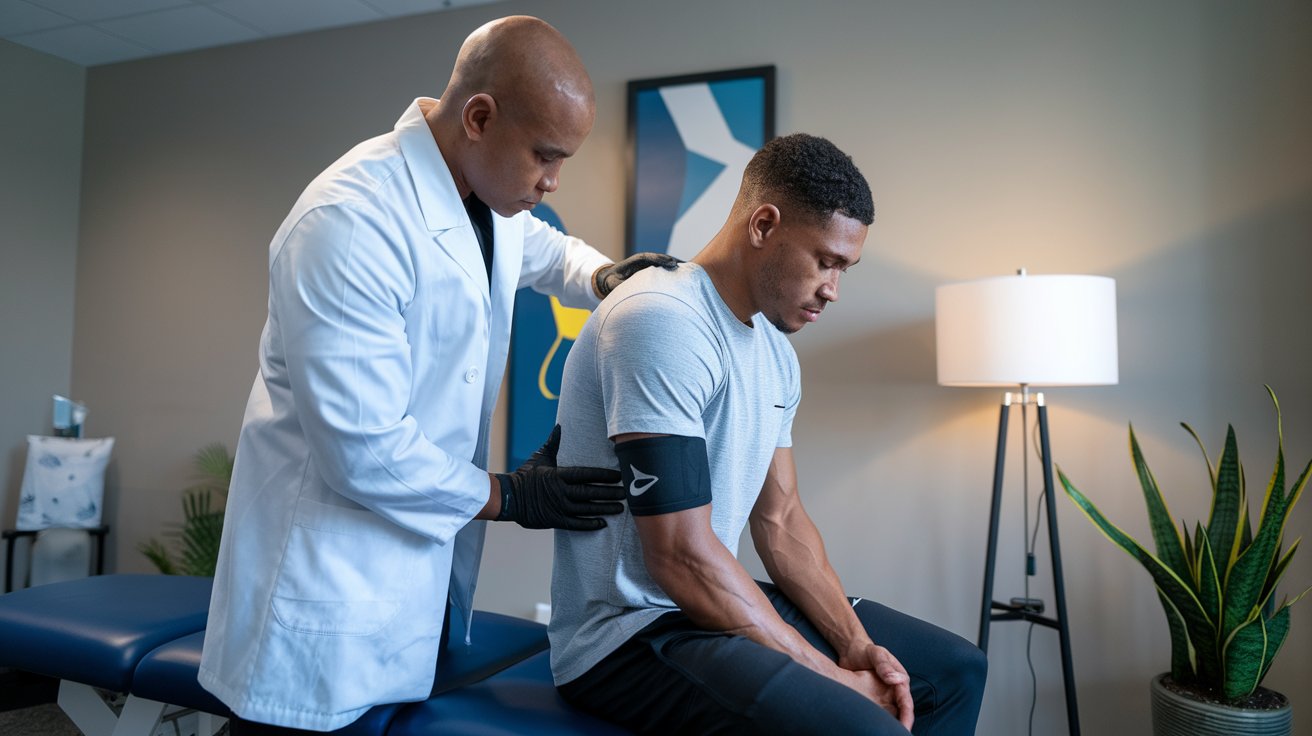
Sports chiropractic represents a specialized field within healthcare that focuses exclusively on treating athletes and active individuals. This comprehensive approach combines traditional chiropractic techniques with sports-specific rehabilitation methods to optimize athletic performance, prevent injuries, and accelerate recovery. Unlike general chiropractic care, sports chiropractors undergo additional training to understand the unique biomechanical demands placed on athletes across various disciplines.
Understanding the Role of a Sports Chiropractor
A sports chiropractor serves as a specialized healthcare provider who understands the intricate relationship between spinal health and athletic performance. These professionals work closely with athletes to address musculoskeletal issues that can impact competitive abilities. In 2024, the demand for sports chiropractic services has increased by 23% across the United States, reflecting the growing recognition of their vital role in athletic healthcare.
Sports chiropractors differ significantly from general practitioners in their approach to treatment. They focus on movement patterns, biomechanical analysis, and sport-specific injury prevention strategies. Their expertise extends beyond spinal adjustments to include comprehensive assessment of how the entire kinetic chain affects athletic performance and injury susceptibility.
Specialized Training and Expertise
Sports chiropractors complete additional postgraduate education beyond their Doctor of Chiropractic degree. Many pursue sports chiropractic residency programs that provide intensive training in athletic injury management, performance optimization, and advanced rehabilitation techniques. These programs typically last 1-2 years and include hands-on experience with professional and collegiate athletic teams.
Clinical Practice and Patient Care
In clinical settings, sports chiropractors employ a multidisciplinary approach that incorporates chiropractic adjustments, soft tissue therapies, and functional movement assessments. They work collaboratively with athletic trainers, physical therapists, and sports medicine physicians to provide comprehensive care that addresses both immediate injuries and long-term performance goals.
Sports Chiropractic Certification Requirements
Obtaining sports chiropractic certification requires meeting specific educational and clinical requirements established by recognized organizations. The International Federation of Sports Chiropractic (FICS) and the American Chiropractic Board of Sports Physicians (ACBSP) are the primary certifying bodies in the United States. As of 2024, there are over 2,800 certified sports chiropractors practicing across the country.
The certification process typically involves completing 300+ hours of postgraduate education in sports chiropractic, passing comprehensive examinations, and demonstrating clinical competency. Candidates must also maintain their certification through continuing education requirements and active participation in sports chiropractic seminars and conferences.
Difference Between General and Sports Chiropractic
The fundamental distinction between general chiropractic care and sports chiropractic lies in the specialized focus on athletic performance and sport-specific injuries. While general chiropractors treat a broad range of musculoskeletal conditions, sports chiropractors concentrate exclusively on the unique needs of athletes and active individuals.
Sports chiropractors possess advanced knowledge of biomechanics, exercise physiology, and sports-related injury patterns. They understand how different sports place specific demands on the body and can tailor treatment protocols accordingly. This specialization allows them to provide more targeted interventions that directly impact athletic performance and recovery outcomes.
Treatment Approach Variations
Sports chiropractors utilize advanced diagnostic techniques such as functional movement screening, gait analysis, and sport-specific testing protocols. These assessments help identify subtle biomechanical dysfunctions that may not be apparent during general chiropractic examinations but can significantly impact athletic performance.
Performance Enhancement Focus
Unlike general chiropractic care that primarily addresses pain relief, sports chiropractic emphasizes performance optimization and injury prevention. This proactive approach involves regular maintenance care, biomechanical coaching, and the development of sport-specific exercise programs designed to enhance athletic capabilities.
Sports Chiropractor Salary and Career Outlook
The sports chiropractor salary in the United States varies significantly based on location, experience, and practice setting. According to 2024 industry data, entry-level sports chiropractors earn between $65,000-$85,000 annually, while experienced practitioners in major metropolitan areas can earn $120,000-$180,000 or more. Those working with professional sports teams or in high-end sports medicine clinics often command premium compensation packages.
Career growth opportunities in sports chiropractic continue to expand as athletic participation increases nationwide. The Bureau of Labor Statistics projects a 10% growth rate for chiropractic occupations through 2032, with sports chiropractic specialization showing even stronger growth potential due to increased awareness of sports-related health issues.
Finding Sports Chiropractic Care Near You
When searching for sports chiropractic near me, it’s essential to verify the practitioner’s specialized training and certification. Look for chiropractors who hold current FICS or ACBSP certifications and have experience treating athletes in your specific sport. Many sports chiropractors maintain profiles on professional association websites that detail their qualifications and areas of expertise.
Geographic location significantly impacts the availability of qualified sports chiropractors. Metropolitan areas like Los Angeles, New York, and Miami typically offer more options, including specialized clinics such as Sports Chiropractic Boca Raton facilities that cater specifically to athletic populations. Rural areas may have fewer specialized practitioners, but telemedicine consultations are increasingly available for initial assessments and follow-up care.
Clinic Selection Criteria
When evaluating potential sports chiropractic providers, consider factors such as clinic facilities, available technologies, and the range of services offered. Modern sports chiropractic clinics often feature advanced diagnostic equipment, rehabilitation facilities, and collaborative relationships with other sports medicine specialists.
Insurance and Payment Considerations
Most insurance plans cover chiropractic care, but coverage for sports-specific treatments may vary. Contact your insurance provider to understand your benefits and any pre-authorization requirements. Many sports chiropractors offer flexible payment plans and work with health savings accounts to make specialized care more accessible.
Sports Chiropractic vs Sports Massage Therapy
The question of whether sports massage is better than chiropractic care depends on the specific needs and conditions being addressed. Sports massage focuses primarily on soft tissue manipulation to improve circulation, reduce muscle tension, and promote relaxation. While beneficial for muscle recovery and maintenance, it doesn’t address joint dysfunction or spinal alignment issues that sports chiropractors specifically target.
Sports chiropractic provides a more comprehensive approach that addresses both structural and functional aspects of athletic performance. Chiropractors can diagnose and treat joint restrictions, nerve impingements, and biomechanical dysfunctions that massage therapy alone cannot address. Many athletes benefit from combining both modalities for optimal results.
Professional Development Through Sports Chiropractic Seminars
Continuing education through sports chiropractic seminars plays a crucial role in maintaining current knowledge and skills in this rapidly evolving field. The Sports Chiropractic Association regularly hosts educational events that cover emerging treatment techniques, new research findings, and best practices in athletic healthcare. These seminars are essential for maintaining professional certifications and staying current with industry standards.
In 2024, popular seminar topics include concussion management, return-to-play protocols, and the integration of technology in sports chiropractic practice. Many seminars now offer hybrid learning formats that combine in-person hands-on training with virtual lectures, making continuing education more accessible to practitioners across the United States.
Sports Chiropractic Health and Rehabilitation Centers
Comprehensive sports chiropractic health and rehabilitation centers represent the evolution of sports medicine facilities that integrate multiple disciplines under one roof. These centers typically combine chiropractic care with physical therapy, strength and conditioning, nutritional counseling, and sports psychology services. This multidisciplinary approach ensures athletes receive holistic care that addresses all aspects of performance and recovery.
Leading rehabilitation centers in the United States report 30% faster recovery times when combining sports chiropractic care with other therapeutic modalities. These facilities often serve as regional centers of excellence, attracting athletes from across state lines seeking specialized care for complex sports-related conditions.
Advanced Treatment Technologies
Modern sports chiropractic centers incorporate cutting-edge technologies such as shockwave therapy, laser treatment, and computer-assisted rehabilitation systems. These technologies enhance treatment outcomes and provide objective measurements of progress, allowing for more precise treatment planning and monitoring.
Team-Based Care Models
Successful rehabilitation centers employ collaborative care models where sports chiropractors work closely with other healthcare professionals. This team approach ensures comprehensive assessment and treatment planning that addresses all factors contributing to athletic injuries and performance limitations.
Future of Sports Chiropractic Practice
The future of sports chiropractic continues to evolve with advances in technology, research, and understanding of athletic performance. Emerging trends include the integration of artificial intelligence for movement analysis, personalized treatment protocols based on genetic testing, and the development of sport-specific prevention programs. The COVID-19 pandemic has also accelerated the adoption of telehealth services, allowing sports chiropractors to provide remote consultations and movement assessments.
As the sports industry continues to grow and evolve, the demand for specialized sports chiropractic expertise is expected to increase substantially. New opportunities are emerging in areas such as esports ergonomics, youth sports specialization, and geriatric athletic populations, expanding the scope of practice for sports chiropractic professionals across the United States.
Related video about sports chiropractic
This video complements the article information with a practical visual demonstration.
Most asked questions about sports chiropractic
What is the difference between a chiropractor and a sports chiropractor?
A sports chiropractor has specialized training in athletic injuries, biomechanics, and performance optimization beyond general chiropractic education. They focus specifically on sport-related conditions, movement patterns, and performance enhancement, while general chiropractors treat a broader range of musculoskeletal conditions for the general population.
What is the role of a sports chiropractor?
Sports chiropractors diagnose and treat athletic injuries, optimize biomechanical function, prevent sports-related injuries, and enhance athletic performance. They work with athletes to address spinal alignment, joint dysfunction, and movement patterns that affect competitive abilities, often collaborating with other sports medicine professionals.
Why do doctors discourage chiropractors?
Some medical doctors express concerns about chiropractic care due to historical professional competition and differing treatment philosophies. However, modern sports medicine increasingly recognizes the value of collaborative care, with many physicians now referring patients to qualified sports chiropractors for musculoskeletal conditions and athletic performance issues.
Is a sports massage better than a chiropractor?
Sports massage and chiropractic care serve different purposes and are often complementary. Sports massage focuses on soft tissue manipulation and muscle recovery, while chiropractic care addresses joint dysfunction, spinal alignment, and biomechanical issues. Many athletes benefit from combining both treatments for comprehensive care.
How much does a sports chiropractor make?
Sports chiropractor salaries in the United States range from $65,000-$85,000 for entry-level positions to $120,000-$180,000 for experienced practitioners. Those working with professional teams or in specialized clinics may earn significantly more, with geographic location and practice setting being major factors in compensation.
What certification is required for sports chiropractic?
Sports chiropractic certification requires completion of 300+ hours of postgraduate education, passing comprehensive examinations, and meeting clinical competency requirements. Primary certifying bodies include FICS (International Federation of Sports Chiropractic) and ACBSP (American Chiropractic Board of Sports Physicians), with ongoing continuing education requirements.
| Sports Chiropractic Aspect | Key Details | Primary Benefits |
|---|---|---|
| Specialized Training | 300+ hours postgraduate education, FICS/ACBSP certification | Expert athletic injury care and performance optimization |
| Treatment Approach | Sport-specific biomechanical analysis and rehabilitation | Targeted interventions for athletic performance enhancement |
| Career Outlook | $65K-$180K+ salary range, 10% projected growth | Strong earning potential and expanding opportunities |
| Comprehensive Care | Multidisciplinary approach with advanced technologies | Faster recovery times and improved athletic outcomes |