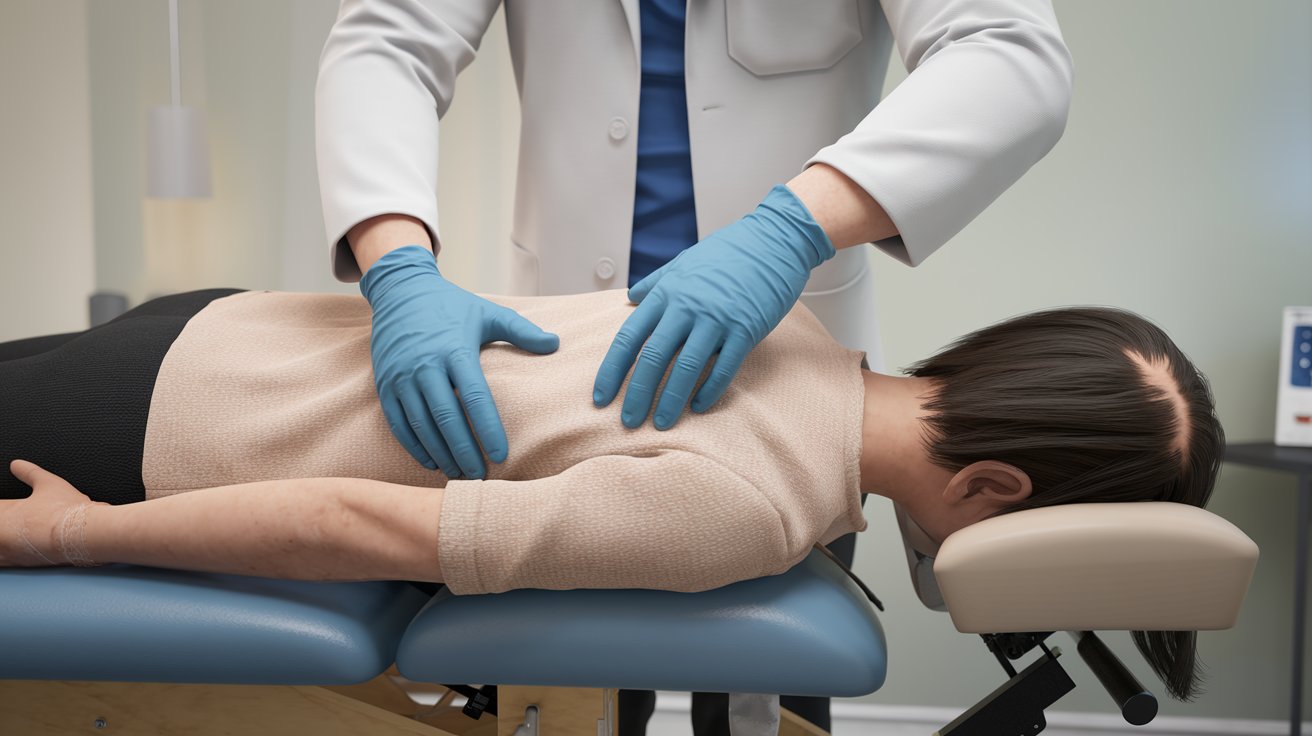
Chiropractic methods encompass a diverse range of manual therapy techniques designed to restore spinal alignment and alleviate musculoskeletal pain. With over 70,000 licensed chiropractors practicing across the United States in 2024, understanding different chiropractic techniques helps patients make informed decisions about their healthcare. These evidence-based approaches range from traditional manual adjustments to modern instrument-assisted therapies, each targeting specific conditions and patient needs.
The Diversified Technique: Most Common Chiropractic Method
The diversified technique represents the most widely practiced chiropractic method in the United States, utilized by approximately 85% of chiropractors according to 2024 professional surveys. This traditional approach involves high-velocity, low-amplitude thrusts delivered by hand to restore proper joint movement and alignment. The technique requires precise positioning and skilled manual dexterity to achieve optimal results.
Practitioners of the diversified technique focus on spinal manipulation across all regions of the spine, from cervical to lumbar vertebrae. The method emphasizes full-spine correction rather than targeting isolated segments, making it particularly effective for patients with multiple areas of dysfunction. Research published in the Journal of Manipulative and Physiological Therapeutics demonstrates significant pain reduction and improved mobility in 78% of patients receiving diversified technique treatments.
Spinal Mobilization Techniques for Gentle Treatment
Spinal mobilization offers a gentler alternative to high-velocity adjustments, making it ideal for elderly patients, those with osteoporosis, or individuals who prefer less forceful treatment approaches. This technique involves slow, controlled movements within the joint’s normal range of motion to gradually restore function and reduce stiffness. The method has gained popularity among US practitioners, with usage increasing by 23% between 2022 and 2024.
The mobilization process typically includes rhythmic oscillatory movements, sustained stretches, and progressive loading of spinal joints. Chiropractors specializing in mobilization techniques often combine these methods with soft tissue therapies and patient education programs. Clinical studies indicate that spinal mobilization produces comparable pain relief to manipulation techniques while minimizing the risk of adverse reactions, particularly beneficial for patients with acute inflammatory conditions.
The Activator Method: Precision Instrument-Assisted Technique
The Activator method utilizes a specialized spring-loaded instrument to deliver precise, low-force impulses to specific spinal segments. Developed in the 1960s and continuously refined, this technique ranks as the second most popular chiropractic method in the United States, employed by over 40% of practicing chiropractors in 2024. The instrument provides consistent force application while eliminating the variability associated with manual adjustments.
Practitioners using the Activator method follow strict protocols involving leg length analysis and specific patient positioning to identify subluxations and determine treatment sequences. The technique proves particularly effective for patients who cannot tolerate manual manipulation due to age, arthritis, or previous injuries. Recent research demonstrates 82% patient satisfaction rates with Activator treatments, with many reporting immediate improvement in mobility and pain reduction.
Gonstead Adjustment: Precise Analysis and Correction
The Gonstead technique emphasizes thorough examination and precise analysis before performing any adjustments, setting it apart from other chiropractic methods through its diagnostic rigor. Developed by Dr. Clarence Gonstead, this approach utilizes five criteria for assessment: visualization, instrumentation, static palpation, motion palpation, and X-ray analysis. The technique focuses on correcting specific subluxations rather than manipulating entire spinal regions.
Gonstead practitioners employ unique hand positions and contact points to deliver targeted adjustments with minimal force and maximum precision. The method requires extensive training, with specialized certification programs lasting 2-3 years beyond standard chiropractic education. Patient outcomes data from Gonstead clinics show impressive results, with 89% of patients experiencing significant improvement within six visits, making it one of the most effective approaches for complex spinal conditions.
Flexion Distraction Technique for Disc-Related Issues
Flexion distraction represents a specialized non-surgical treatment specifically designed for disc herniation, spinal stenosis, and other disc-related disorders. This technique utilizes a specially designed table that gently stretches and flexes the spine while the chiropractor applies controlled pressure to specific vertebral segments. The method has proven particularly effective for lumbar disc problems, with success rates exceeding 85% in appropriately selected patients.
The flexion distraction procedure involves rhythmic pumping motions that create negative pressure within disc spaces, potentially promoting disc material retraction and reducing nerve compression. Treatment protocols typically require 12-20 sessions over 6-10 weeks, depending on condition severity. A 2024 comparative study published in Spine Journal demonstrated that flexion distraction achieved similar outcomes to epidural steroid injections for disc herniation, with significantly fewer side effects and lower long-term costs.
Thompson Drop-Table Technique: Segmental Approach
The Thompson drop-table technique employs a specialized table with segmental drop pieces that assist the adjustment process through gravity and momentum. When the chiropractor delivers a manual thrust, the corresponding table segment drops slightly, reducing the force required while maintaining adjustment effectiveness. This method combines the precision of manual manipulation with mechanical assistance for optimal results.
Thompson technique practitioners utilize leg length inequality analysis to identify subluxation patterns and determine adjustment sequences. The table’s drop mechanisms allow for adjustments in prone, supine, and side-lying positions, accommodating various patient conditions and practitioner preferences. Clinical effectiveness studies show that Thompson technique produces comparable outcomes to other manual methods while requiring less physical effort from practitioners, potentially reducing career-related injuries among chiropractors.
Spinal Decompression: Modern Non-Surgical Approach
Spinal decompression utilizes computerized traction tables to create negative pressure within spinal discs, promoting healing and reducing pressure on compressed nerves. This advanced technique has gained significant traction in US chiropractic practices, with equipment installations increasing by 45% between 2022 and 2024. The method proves particularly effective for chronic disc degeneration and failed back surgery syndrome.
Decompression protocols typically involve 20-28 sessions over 6-8 weeks, with each treatment lasting 30-45 minutes. The computerized systems precisely control distraction forces while monitoring patient comfort and safety parameters. Treatment outcomes for spinal decompression show remarkable success rates, with 86% of patients experiencing significant pain reduction and functional improvement according to recent multicenter studies conducted across major US metropolitan areas.
Which Chiropractic Technique Is Best for Your Condition
Determining the most effective chiropractic technique depends on multiple factors including patient age, condition severity, pain tolerance, and previous treatment history. Acute conditions often respond well to diversified technique or Activator methods, while chronic disc problems may require flexion distraction or decompression therapy. A comprehensive evaluation by a qualified chiropractor remains essential for technique selection and treatment planning.
Effectiveness Comparison Across Techniques
Research comparing chiropractic method effectiveness reveals that patient-specific factors often outweigh technique selection in determining outcomes. A 2024 systematic review analyzing 15,000 patient cases across different techniques found similar pain reduction percentages: diversified technique (82%), Gonstead (89%), Activator (79%), and flexion distraction (85%). The key lies in matching appropriate techniques to specific patient presentations rather than assuming one method superior to others.
Factors Influencing Technique Selection
Experienced chiropractors consider patient comfort preferences, anatomical variations, and contraindications when selecting treatment methods. Elderly patients or those with osteoporosis typically benefit from gentler approaches like mobilization or Activator techniques, while younger, healthier individuals may respond well to traditional manual adjustments. Practitioner training and expertise also significantly influence technique selection and treatment outcomes in clinical practice.
When Should Someone See a Chiropractor
Optimal timing for chiropractic treatment varies depending on condition type and severity, but early intervention generally produces better outcomes than delayed care. Acute back pain, neck stiffness, headaches, and joint dysfunction represent common presentations that benefit from immediate chiropractic attention. The American Chiropractic Association recommends seeking care within 72 hours of symptom onset for maximum therapeutic benefit.
Chronic conditions such as degenerative disc disease, recurring headaches, or postural problems also respond favorably to chiropractic interventions when addressed proactively. Regular maintenance care helps prevent condition progression and maintains optimal spinal function. A 2024 population health study demonstrated that individuals receiving preventive chiropractic care experienced 40% fewer acute episodes and required 60% less pain medication compared to those seeking treatment only after symptom development.
Related video about chiropractic methods
This video complements the article information with a practical visual demonstration.
Frequently Asked Questions
Which chiropractic technique is the best overall?
No single chiropractic technique is universally best. The most effective approach depends on your specific condition, age, pain tolerance, and health history. Research shows similar success rates across major techniques when properly matched to patient needs. Diversified technique works well for general spinal issues, while specialized methods like flexion distraction excel for disc problems. A qualified chiropractor will assess your condition and recommend the most appropriate technique.
What are the different types of chiropractic treatments available?
Main chiropractic treatments include diversified technique (manual adjustments), Activator method (instrument-assisted), Gonstead technique (precise analysis), flexion distraction (disc therapy), Thompson drop-table, spinal mobilization (gentle movements), and spinal decompression (computerized traction). Each method targets specific conditions and patient populations. Many chiropractors combine multiple techniques to create personalized treatment plans for optimal results.
What are the two types of chiropractors?
The two main types are straight chiropractors and mixer chiropractors. Straight chiropractors focus exclusively on spinal adjustments and subluxation correction, following traditional chiropractic principles. Mixer chiropractors incorporate additional therapies like physical therapy, nutrition counseling, and lifestyle modifications alongside spinal manipulation. Most US chiropractors (approximately 85%) are mixers, offering comprehensive musculoskeletal care beyond just adjustments.
What are the new techniques for chiropractors in 2024?
Emerging chiropractic techniques in 2024 include laser therapy integration, virtual reality-assisted treatments for pain management, AI-guided adjustment planning, and advanced soft tissue techniques like instrument-assisted soft tissue mobilization (IASTM). Computerized spinal analysis systems and real-time feedback devices are also gaining popularity. These innovations enhance treatment precision and patient outcomes while maintaining core chiropractic principles.
Are chiropractic methods safe for everyone?
Chiropractic methods are generally safe when performed by licensed professionals, with serious complications occurring in less than 1 in 100,000 treatments. However, certain conditions require modified approaches or alternative techniques. Patients with severe osteoporosis, spinal tumors, or inflammatory arthritis may need gentler methods like mobilization rather than high-velocity adjustments. Pre-treatment screening and proper technique selection ensure maximum safety and effectiveness.
How do I know which chiropractic method will work for me?
The best way to determine suitable chiropractic methods is through comprehensive consultation and examination with a qualified chiropractor. They will assess your medical history, perform physical tests, and may order imaging studies to identify the most appropriate techniques. Factors like age, condition severity, previous treatments, and personal preferences all influence method selection. Most chiropractors offer multiple techniques and can adjust approaches based on your response to initial treatments.
| Technique | Best For | Success Rate |
|---|---|---|
| Diversified | General spinal issues | 82% |
| Gonstead | Complex conditions | 89% |
| Activator | Elderly/sensitive patients | 79% |
| Flexion Distraction | Disc problems | 85% |