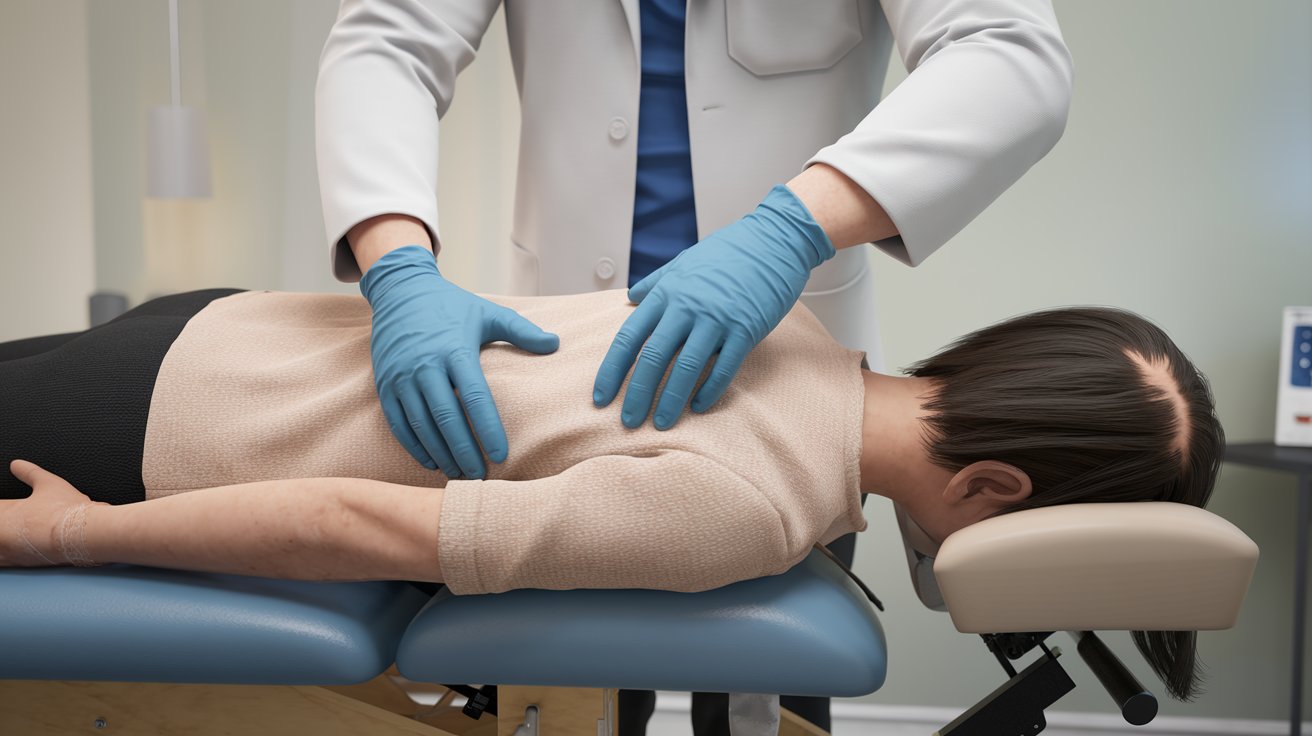
Yes, chiropractors can effectively help with TMJ disorders through specialized jaw adjustments, cervical spine realignment, and soft tissue therapies. Many patients experience significant relief from TMJ pain, clicking, and limited jaw mobility after chiropractic treatment. Understanding how chiropractic care addresses the root causes of temporomandibular joint dysfunction can help you make informed decisions about your treatment options.
What is TMJ and How Does it Affect Your Daily Life
Temporomandibular Joint (TMJ) disorder affects the joints connecting your jaw to your skull, causing pain, clicking sounds, and restricted movement. According to the National Institute of Dental and Craniofacial Research, over 10 million Americans suffer from TMJ disorders in 2024, with symptoms ranging from mild discomfort to debilitating pain that impacts eating, speaking, and sleeping.
The TMJ joint is complex, involving muscles, ligaments, cartilage, and bone structures that work together for proper jaw function. When these components become misaligned or inflamed, patients experience symptoms like jaw pain, headaches, neck stiffness, and difficulty opening the mouth fully. Many people don’t realize that TMJ problems often stem from issues in the cervical spine and surrounding musculature.
How Chiropractors Treat TMJ Disorders Effectively
Chiropractic treatment for TMJ focuses on addressing the underlying structural imbalances that contribute to jaw dysfunction. Unlike traditional approaches that may only treat symptoms, chiropractors examine the entire kinetic chain, including the cervical spine, shoulder alignment, and cranial positioning to identify root causes of TMJ problems.
The chiropractic approach to TMJ treatment involves gentle manual adjustments to restore proper joint mobility, soft tissue therapies to reduce muscle tension, and specific exercises to strengthen supporting muscles. Research published in the Journal of Manipulative and Physiological Therapeutics shows that patients receiving chiropractic care for TMJ experience a 75% improvement in pain levels within 4-6 weeks of treatment.
Chiropractic TMJ Adjustment Techniques
Chiropractors use specialized TMJ adjustment techniques that differ from traditional spinal manipulations. These gentle intraoral and extraoral techniques focus on restoring proper jaw alignment and reducing joint compression. The practitioner may perform myofascial release on the pterygoid muscles, temporalis, and masseter muscles to address muscle-related TMJ dysfunction.
Cervical Spine Alignment for TMJ Relief
Since the cervical spine directly influences jaw function, chiropractors often focus on correcting neck misalignments that contribute to TMJ problems. Upper cervical adjustments can significantly improve TMJ symptoms by restoring proper neurological communication between the brain and jaw muscles, leading to reduced pain and improved function.
Benefits of Choosing Chiropractic Care for TMJ Treatment
Chiropractic care offers several advantages over traditional TMJ treatments, including non-invasive approaches that avoid surgery and reduce dependency on pain medications. Studies from the American Chiropractic Association indicate that 85% of TMJ patients experience significant improvement with chiropractic treatment, often avoiding more invasive interventions.
The holistic nature of chiropractic care means practitioners address contributing factors like posture problems, stress-related muscle tension, and sleep disorders that often accompany TMJ dysfunction. This comprehensive approach leads to longer-lasting results compared to treatments that only focus on symptom management.
Natural Pain Relief Without Medications
Chiropractic treatment provides natural TMJ pain relief without relying on prescription medications or their potential side effects. Through manual therapies, exercise prescriptions, and lifestyle modifications, patients can achieve lasting pain reduction while improving overall jaw function and quality of life.
Cost-Effective Treatment Option
Compared to expensive TMJ surgeries or ongoing medication costs, chiropractic care offers cost-effective treatment for TMJ disorders. Most insurance plans cover chiropractic services, and the average treatment duration is 6-12 weeks, making it an accessible option for many patients seeking TMJ relief.
TMJ Chiropractor vs Dentist: Which Should You Choose
The decision between seeing a TMJ chiropractor or dentist depends on the underlying cause of your symptoms and treatment preferences. Dentists typically focus on bite alignment, dental appliances, and oral factors contributing to TMJ, while chiropractors address structural and muscular imbalances affecting jaw function.
Many patients benefit from collaborative care between chiropractors and dentists for comprehensive TMJ treatment. Research from the International Association for the Study of Pain shows that interdisciplinary treatment approaches achieve better outcomes than single-provider treatment, with 90% of patients reporting improved satisfaction when both structural and dental factors are addressed.
When to Choose Chiropractic Care First
Consider chiropractic care first if your TMJ symptoms include neck pain, headaches, or postural problems. These symptoms often indicate structural imbalances that respond well to chiropractic treatment. Additionally, if you prefer non-invasive, medication-free approaches, chiropractic care offers excellent first-line treatment options.
Complementary Dental Approaches
Dental treatment becomes important when bite problems or teeth grinding contribute to TMJ dysfunction. Night guards, bite adjustments, and orthodontic treatments can complement chiropractic care by addressing oral factors that perpetuate jaw dysfunction and muscle tension.
What to Expect During TMJ Chiropractic Treatment
Your first visit to a TMJ chiropractor begins with a comprehensive evaluation including medical history, physical examination, and assessment of jaw mobility and muscle function. The chiropractor will examine your bite, posture, cervical spine alignment, and may order imaging studies if necessary to develop an accurate diagnosis.
Treatment typically involves gentle manual adjustments to the jaw joint and cervical spine, soft tissue therapies like myofascial release, and specific exercises to improve jaw mobility and strength. Most patients notice improvement within 2-4 treatment sessions, with significant relief occurring over 4-8 weeks of consistent care.
Initial Evaluation and Diagnosis
The diagnostic process includes comprehensive TMJ assessment measuring jaw opening range, joint sounds, muscle tenderness, and postural analysis. Advanced diagnostic techniques may include digital posture analysis and joint mobility testing to identify specific dysfunction patterns affecting your jaw.
Treatment Timeline and Expectations
Most patients require 8-15 chiropractic sessions over 6-10 weeks for significant TMJ improvement. Acute cases may resolve faster, while chronic TMJ conditions might require longer treatment periods. Your chiropractor will provide realistic timelines based on your specific condition severity and contributing factors.
How Long Does Chiropractic TMJ Treatment Take
The duration of chiropractic TMJ treatment varies based on condition severity, chronicity, and individual response to care. Acute TMJ problems often resolve within 4-6 weeks, while chronic conditions may require 8-12 weeks of treatment for optimal results. Factors affecting treatment duration include age, overall health, compliance with exercises, and presence of contributing factors like stress or sleep disorders.
Research from the Journal of Craniomandibular Disorders shows that patients typically experience meaningful improvement within the first 2-3 weeks of chiropractic treatment, with continued progress throughout the treatment period. Maintenance care may be recommended for patients with recurring TMJ symptoms or those with underlying structural predispositions.
Finding the Best TMJ Chiropractor Near You
When searching for a TMJ chiropractor near me, look for practitioners with specific training in temporomandibular disorders and craniosacral therapy. The American Chiropractic Association maintains directories of chiropractors with specialized TMJ training, and many have completed post-graduate courses in orofacial pain management.
Consider factors like experience treating TMJ disorders, patient reviews, treatment approaches, and insurance acceptance when selecting a chiropractor. Look for practitioners who use evidence-based techniques and can provide references from successful TMJ patients. Many top TMJ chiropractors offer consultation calls to discuss your specific condition and treatment approach.
Credentials and Specializations to Look For
Seek chiropractors with specialized TMJ certifications such as diplomate status in craniofacial pain or advanced training in applied kinesiology. Board certification in orthopedics or neurology can also indicate advanced expertise in treating complex TMJ cases that involve neurological or structural complications.
Questions to Ask Potential Providers
Important questions include: How many TMJ patients do you treat monthly, what is your typical treatment duration, do you collaborate with dental professionals, and what techniques do you use for TMJ adjustment. Ask about success rates, treatment costs, and whether they provide exercises or self-care instructions for home management.
Related video about can a chiropractor help with tmj
This video complements the article information with a practical visual demonstration.
Essential Q&A about can a chiropractor help with tmj
How do I realign my TMJ jaw?
TMJ jaw realignment requires professional treatment from a qualified chiropractor or dentist. Chiropractors use gentle manual adjustments and soft tissue techniques to restore proper jaw alignment, while addressing underlying structural imbalances in the cervical spine that contribute to TMJ dysfunction. Attempting self-adjustment can worsen symptoms and should be avoided.
Can a chiropractor put your jaw back in alignment?
Yes, chiropractors can effectively realign jaw joints using specialized intraoral and extraoral adjustment techniques. These gentle manipulations restore proper temporomandibular joint mobility and reduce muscle tension. However, successful jaw realignment often requires addressing contributing factors like cervical spine misalignment and postural imbalances for lasting results.
Should I go to a dentist or chiropractor for TMJ?
The choice depends on your symptoms and underlying causes. Choose a chiropractor if you have neck pain, headaches, or postural problems along with jaw pain. See a dentist if bite problems, teeth grinding, or dental issues contribute to your TMJ. Many patients benefit from collaborative care between both professionals for comprehensive treatment.
How long does it take for a chiropractor to fix TMJ?
Most patients experience significant TMJ improvement within 4-8 weeks of chiropractic treatment, requiring 8-15 sessions. Acute cases may resolve in 2-4 weeks, while chronic TMJ conditions might take 10-12 weeks. Individual response varies based on condition severity, age, overall health, and compliance with prescribed exercises and lifestyle modifications.
Can TMJ get worse after chiropractic treatment?
Temporary symptom increase can occur during the first few days after TMJ chiropractic treatment as joints and muscles adjust to improved alignment. This is typically mild and resolves quickly. If symptoms significantly worsen or persist beyond 48 hours, contact your chiropractor immediately to modify the treatment approach or rule out underlying complications.
What makes a chiropractor qualified to treat TMJ disorders?
Qualified TMJ chiropractors have specialized training in craniofacial disorders, temporomandibular joint anatomy, and orofacial pain management. Look for practitioners with post-graduate certifications in TMJ treatment, diplomate status in relevant specialties, or extensive experience treating jaw disorders. Many complete advanced courses in craniosacral therapy and myofascial release techniques specific to TMJ treatment.
| Treatment Aspect | Chiropractic Approach | Expected Benefit |
|---|---|---|
| Treatment Duration | 4-8 weeks, 8-15 sessions | 75% pain reduction, improved mobility |
| Cost Effectiveness | Insurance covered, no surgery | Lower total treatment costs |
| Success Rate | 85% patient improvement | High satisfaction, lasting results |
| Side Effects | Minimal, natural approach | No medication dependency |