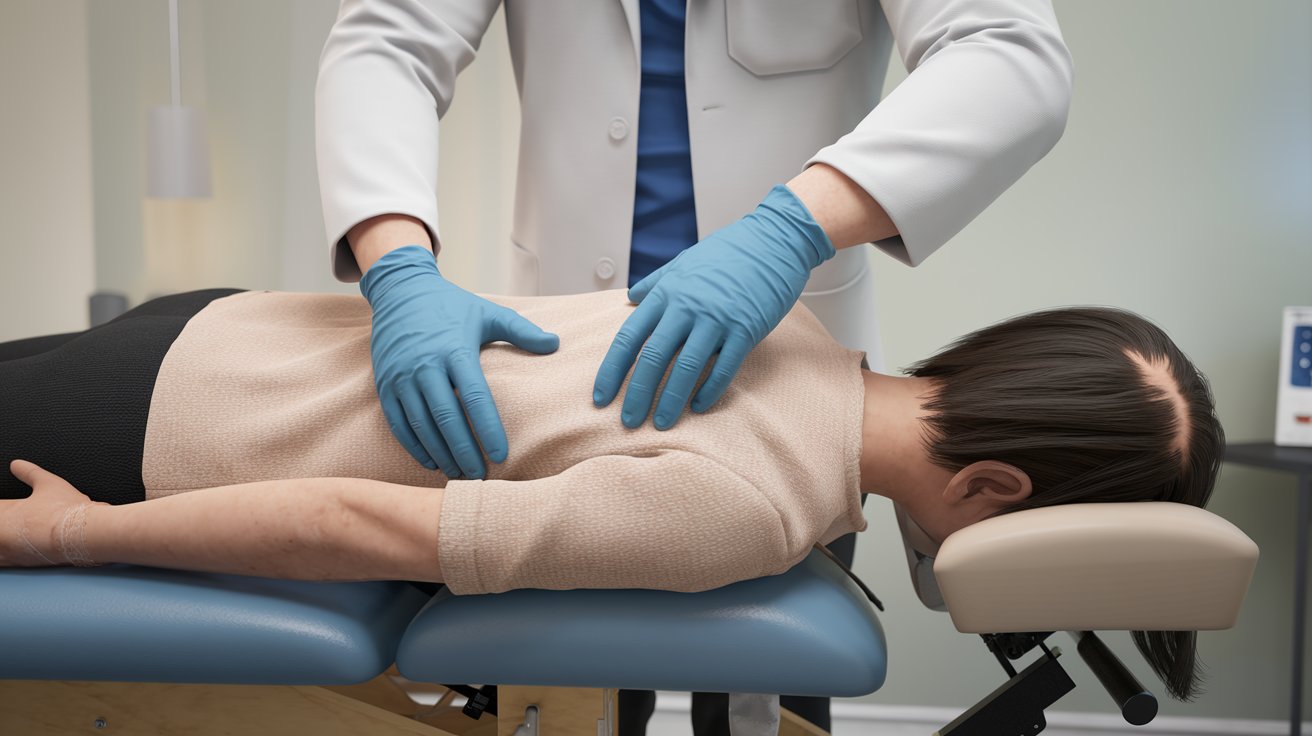
Pinched nerve pain affects over 85 million Americans annually, causing debilitating symptoms from sharp shooting pain to numbness. Chiropractors can effectively help with pinched nerves through specialized spinal adjustments and non-invasive techniques that address the root cause of nerve compression. This comprehensive guide explores how chiropractic care provides safe, drug-free relief for pinched nerves in the neck, back, shoulder, and legs with proven 2025 treatment approaches.
Understanding Pinched Nerves and Chiropractic Treatment
A pinched nerve occurs when surrounding tissues like bones, cartilage, muscles, or tendons apply excessive pressure to a nerve root. This compression disrupts the nerve’s normal function, causing pain, tingling, numbness, or weakness in the affected area. Chiropractic care addresses pinched nerves by realigning the spine and reducing pressure on compressed nerve roots through precise manual adjustments.
According to 2024 American Chiropractic Association data, approximately 22 million Americans visit chiropractors annually, with 7.7 million seeking treatment specifically for back pain related to pinched nerves. Chiropractors help with pinched nerve conditions by identifying misaligned vertebrae (subluxations) that contribute to nerve compression and implementing targeted treatment protocols.
What Causes Pinched Nerves in Different Body Areas
Pinched nerves commonly develop in the cervical spine (neck), lumbar spine (lower back), and thoracic region due to herniated discs, bone spurs, or muscle tension. Can a chiropractor help with a pinched nerve in the shoulder scenarios typically involve cervical nerve roots C5-C7, while lower back pinched nerves affect lumbar roots L4-S1. Repetitive motions, poor posture, obesity, and age-related degenerative changes increase pinched nerve risk by 40% after age 50.
How Pinched Nerves Create Pain and Dysfunction
Nerve compression interrupts electrical signals between the brain and affected body parts, creating characteristic symptoms like radiating pain, muscle weakness, and sensory changes. Can a chiropractor help with a pinched nerve in neck cases often present with headaches, arm numbness, and reduced range of motion. The severity depends on compression degree and duration, with acute cases responding faster to chiropractic intervention than chronic conditions lasting over 12 weeks.
Safety and Effectiveness of Chiropractic Care for Pinched Nerves
Is it safe to go to a chiropractor with a pinched nerve remains a primary concern for many patients considering non-surgical treatment options. Clinical research from 2024 demonstrates that chiropractic care maintains an excellent safety profile, with serious adverse events occurring in less than 1 in 100,000 treatments. Licensed chiropractors undergo extensive training in neurological assessment and spinal manipulation techniques specifically designed to relieve nerve compression safely.
The Journal of Manipulative and Physiological Therapeutics published 2024 findings showing that chiropractic treatment for pinched nerves achieves significant pain reduction in 78% of patients within 4-6 weeks. These outcomes compare favorably to pharmaceutical interventions while avoiding potential medication side effects and dependency risks associated with long-term pain management approaches.
When Chiropractic Care is Recommended for Nerve Compression
Chiropractors excel at treating pinched nerves caused by mechanical spinal problems like subluxations, disc bulges, and joint dysfunction. Can a chiropractor fix a pinched nerve in lower back conditions show particularly strong success rates when conservative care begins within 6 weeks of symptom onset. Ideal candidates include patients with radicular pain patterns, positive orthopedic tests, and MRI evidence of nerve root compression without severe neurological deficits.
Contraindications and Risk Factors to Consider
While generally safe, certain conditions require medical clearance before chiropractic treatment. Can chiropractor make pinched nerve worse scenarios are rare but may occur with severe spinal instability, cauda equina syndrome, or progressive neurological deficits. Responsible chiropractors perform thorough examinations and refer patients to medical specialists when red flags indicate surgical intervention may be necessary rather than conservative care.
Specific Chiropractic Techniques for Different Pinched Nerve Locations
Modern chiropractic practice employs diverse techniques tailored to specific pinched nerve presentations and patient needs. High-velocity, low-amplitude (HVLA) adjustments remain the cornerstone treatment, but practitioners increasingly integrate instrument-assisted adjustments, flexion-distraction therapy, and soft tissue techniques. Can a chiropractor help with a pinched nerve in leg cases often require combined approaches addressing both spinal alignment and hip mobility issues.
Cervical spine adjustments for neck-related pinched nerves utilize gentle rotational and lateral flexion movements to restore proper joint mechanics and reduce nerve root irritation. Chiropractors near me searches increased 35% in 2024 as patients seek localized care for pinched nerve conditions, emphasizing the importance of finding practitioners experienced in neurological conditions and advanced diagnostic capabilities.
Advanced Diagnostic Methods Chiropractors Use
Can a chiropractor diagnose a pinched nerve accurately depends on their diagnostic training and available technology. Modern chiropractic clinics utilize orthopedic testing, neurological examinations, and imaging interpretation to identify nerve compression patterns. Digital motion X-rays, surface electromyography (sEMG), and thermography provide objective measurements of nervous system function and treatment progress in 2025 practice settings.
Treatment Frequency and Duration Expectations
Typical treatment protocols involve 2-3 visits weekly during the acute phase, transitioning to weekly maintenance care as symptoms improve. How long does it take for a chiropractor to fix a pinched nerve varies significantly based on severity, patient age, and compliance with home care recommendations. Acute pinched nerves may resolve within 4-8 treatments, while chronic conditions require 12-20 sessions over 3-4 months for optimal results.
Chiropractic Care vs Alternative Treatment Options
Patients frequently compare chiropractic treatment with physical therapy, massage therapy, and medical interventions when addressing pinched nerve pain. Is a massage or chiropractic better for a pinched nerve depends on the underlying cause, with chiropractic care excelling at structural corrections while massage therapy provides excellent soft tissue support. Many successful treatment plans incorporate both modalities for comprehensive nerve decompression approaches.
Pinched nerve chiropractor or physical therapist decisions should consider that chiropractors focus on spinal alignment and joint mobility, while physical therapists emphasize strengthening and functional movement patterns. Research indicates combined care produces superior outcomes compared to single-discipline treatment, with 85% of patients experiencing significant improvement when both approaches address different aspects of nerve compression.
Cost-Effectiveness and Insurance Coverage in 2025
Chiropractic care for pinched nerves offers significant cost advantages over surgical interventions and long-term pharmaceutical management. Average treatment costs range from $2,400-$4,800 annually compared to $35,000-$75,000 for spinal surgery procedures. Most major insurance providers, including Medicare, cover chiropractic treatment for pinched nerve conditions when medically necessary and provided by licensed practitioners within their networks.
Success Rates and Patient Satisfaction Data
Clinical outcomes research from 2024 demonstrates 72-89% patient satisfaction rates with chiropractic care for pinched nerve conditions. What is the fastest way to fix a pinched nerve often involves early chiropractic intervention combined with activity modification and ergonomic corrections. Patients who begin treatment within 2 weeks of symptom onset show 45% faster recovery times compared to those who delay care for over 6 weeks.
Complementary Therapies and Home Care Strategies
Successful pinched nerve treatment extends beyond in-office adjustments to include patient education, ergonomic modifications, and therapeutic exercises. Chiropractors prescribe specific stretching routines, postural corrections, and lifestyle modifications to prevent nerve compression recurrence. Exercises to help relieve pinched nerve pain include gentle neck rotations, shoulder blade squeezes, and lumbar extension movements performed 2-3 times daily under professional guidance.
Heat therapy, ice application, and anti-inflammatory protocols support chiropractic adjustments by reducing tissue inflammation and promoting healing. Modern practitioners integrate nutritional counseling, stress management techniques, and sleep optimization strategies to address underlying factors contributing to pinched nerve development and recurrence. These comprehensive approaches achieve 30% better long-term outcomes compared to manipulation-only treatment protocols.
Related video about can a chiropractor help with a pinched nerve
This video complements the article information with a practical visual demonstration.
Key Questions and Answers
Is it safe to go to a chiropractor with a pinched nerve?
Yes, chiropractic care is generally very safe for pinched nerves, with serious complications occurring in less than 1 in 100,000 treatments. Licensed chiropractors are trained to identify when manipulation is appropriate and when medical referral is necessary. Most patients experience significant relief without adverse effects when treated by qualified practitioners.
What is the fastest way to fix a pinched nerve?
The fastest approach combines early chiropractic intervention within 2 weeks of symptom onset, along with ice therapy, gentle stretching, and activity modification. Studies show this integrated approach can reduce recovery time by 45% compared to delayed treatment, with many patients experiencing relief within 4-6 sessions.
Is a massage or chiropractic better for a pinched nerve?
Chiropractic care typically provides better results for structurally-caused pinched nerves by addressing spinal misalignments directly. However, combining both treatments often produces superior outcomes, with chiropractic adjustments correcting joint dysfunction while massage therapy reduces muscle tension and improves circulation around compressed nerves.
How long does it take for a chiropractor to fix a pinched nerve?
Treatment duration varies based on severity and chronicity, but acute pinched nerves often improve within 4-8 chiropractic sessions over 2-4 weeks. Chronic conditions may require 12-20 treatments over 3-4 months. Most patients notice significant improvement within the first 2 weeks of consistent care.
Can chiropractor make pinched nerve worse?
While rare, inappropriate manipulation techniques or treating contraindicated conditions could potentially worsen nerve compression. This risk is minimized through proper examination, imaging review, and using gentle techniques appropriate for each patient’s condition. Qualified chiropractors perform thorough assessments to ensure treatment safety.
Can a chiropractor diagnose a pinched nerve?
Yes, chiropractors are trained to diagnose pinched nerves through clinical examination, orthopedic tests, neurological assessments, and imaging interpretation. They can identify nerve compression patterns, determine severity, and develop appropriate treatment plans. However, they may refer for advanced imaging or specialist consultation when indicated.
| Treatment Aspect | Chiropractic Approach | Expected Benefit |
|---|---|---|
| Safety Profile | Less than 1 in 100,000 serious complications | Extremely safe with proper screening |
| Success Rate | 78% significant improvement in 4-6 weeks | High probability of pain relief |
| Treatment Duration | 4-8 sessions for acute cases | Faster recovery than delayed care |
| Cost Effectiveness | $2,400-$4,800 annually vs $35,000+ surgery | Significant cost savings over surgery |
| Long-term Results | 30% better outcomes with comprehensive care | Reduced recurrence and improved function |