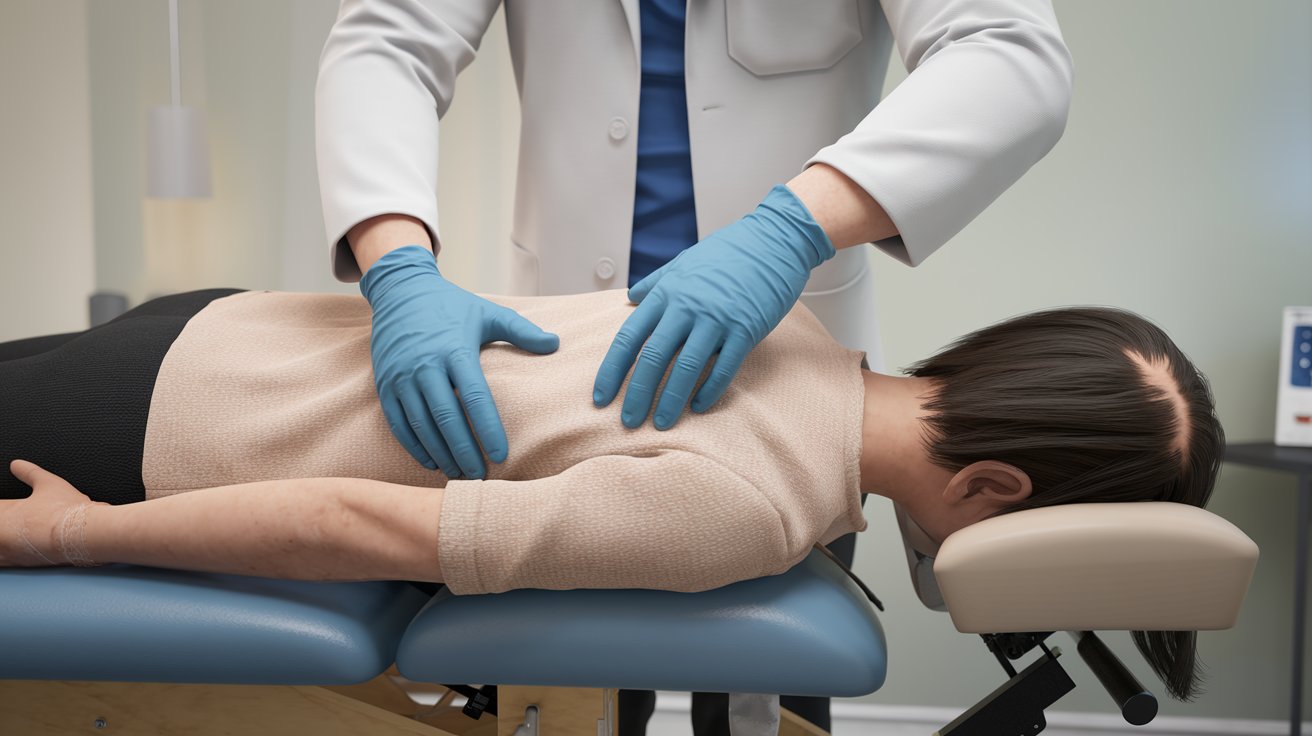
Poor posture affects over 86% of Americans who spend extended hours sitting, leading to chronic back pain, reduced mobility, and decreased confidence. The good news is that targeted exercises to improve posture can effectively reverse years of slouching and forward head positioning. With consistent practice of specific strengthening and stretching movements, you can restore proper spinal alignment, reduce pain, and enhance your overall quality of life within just 4-6 weeks of dedicated effort.
Understanding Posture Problems in America
Modern lifestyle has created an epidemic of postural dysfunction across the United States. Recent 2024 studies show that poor posture now affects 9 out of 10 office workers, with the average American spending 13+ hours daily in seated positions. Forward head posture, rounded shoulders, and excessive spinal curvature have become the new normal, contributing to a $50 billion annual healthcare cost related to musculoskeletal disorders.
The primary culprits behind deteriorating posture include prolonged computer use, smartphone addiction averaging 7 hours daily, and sedentary entertainment habits. These activities cause muscle imbalances where chest muscles tighten while back muscles weaken, creating the classic hunchback appearance that can be corrected with targeted intervention and consistent exercise protocols.
Foundation Strengthening Exercises
Building core stability forms the cornerstone of effective posture correction exercises. A strong core acts as your body’s natural corset, supporting proper spinal alignment and reducing strain on surrounding muscles. Research from the American Physical Therapy Association confirms that individuals with stronger core muscles show 40% better postural stability compared to those with weak abdominal and back muscles.
Glute Bridge for Posterior Chain
The glute bridge targets your posterior chain muscles, which are crucial for maintaining upright posture. Lie on your back with knees bent, feet flat on the floor hip-width apart. Squeeze your glutes and lift your hips, creating a straight line from knees to shoulders. Hold for 3-5 seconds, then lower slowly. Perform 15-20 repetitions for 3 sets, focusing on proper form over speed to maximize posture improvement benefits.
High Plank for Core Stability
High plank builds essential core strength while teaching proper spinal alignment. Start in a push-up position with hands directly under shoulders, body forming a straight line from head to heels. Engage your core muscles and avoid letting your hips sag or pike upward. Hold for 30-60 seconds, gradually increasing duration as strength improves. This exercise directly translates to better posture during daily activities by strengthening the deep stabilizing muscles of your trunk.
Upper Back and Shoulder Mobility
Addressing upper back stiffness and shoulder restrictions is essential for correcting slouching posture. Rounded shoulders and forward head positioning create muscle imbalances that require specific mobility work combined with strengthening exercises. The thoracic spine, which naturally curves outward, often becomes excessively rounded due to prolonged sitting and poor ergonomics.
Thoracic Spine Rotation
Thoracic spine mobility exercises restore natural movement patterns and reduce stiffness. Start in a quadruped position (hands and knees), place one hand behind your head. Rotate your torso, bringing your elbow toward the ceiling while following the movement with your eyes. Feel the stretch through your upper back and chest. Perform 10-12 repetitions each side, focusing on smooth, controlled movements that gradually increase your range of motion and improve posture.
Chest Opener Stretch
Chest opener stretches counteract the tightness that develops from prolonged forward positioning. Stand tall with arms extended behind you, interlace fingers and lift arms away from your body. Feel the stretch across your chest and front shoulders while keeping your shoulder blades pulled together. Hold for 30-45 seconds, breathing deeply. This exercise is particularly effective for people who spend long hours at computers and need immediate relief from tight chest muscles.
Daily Posture Correction Routine
Creating a consistent daily routine is crucial for lasting posture improvement. The most effective approach combines morning activation exercises, midday posture breaks, and evening relaxation stretches. Studies show that people who follow structured routines see 60% better results compared to those who exercise sporadically. Your routine should include movement every 30-60 minutes during sedentary activities to prevent muscle stiffness and maintain proper alignment.
Morning Activation Sequence
Begin each day with a 10-minute activation sequence to prepare your body for optimal posture. Start with gentle spinal movements like cat-cow stretches, followed by chest opening and hip flexor stretches. Include standing forward folds and gentle backbends to mobilize your spine in all directions. This morning routine helps counteract the stiffness that develops overnight and sets a positive foundation for maintaining good posture throughout the day.
Workplace Posture Breaks
Implement micro-breaks every 30 minutes during work hours to prevent postural decline. Simple desk-based exercises to improve posture include shoulder blade squeezes, neck rolls, and seated spinal twists. Stand and walk for 2-3 minutes hourly, focusing on tall posture with shoulders back and head aligned over your spine. These brief interventions prevent muscle fatigue and maintain awareness of proper alignment throughout your workday.
Advanced Strengthening Techniques
As your foundational strength improves, incorporating advanced strengthening techniques accelerates posture correction results. Progressive overload principles apply to posture training, meaning you must gradually increase exercise difficulty to continue seeing improvements. Advanced exercises target multiple muscle groups simultaneously while challenging your stability and coordination systems.
Side Plank Progressions
Side planks strengthen lateral core muscles essential for spinal stability and preventing lateral postural deviations. Begin with modified side planks on your knees, progressing to full side planks on your feet. Advanced variations include leg lifts, arm reaches, and unstable surface training. Perform 30-45 seconds per side, focusing on maintaining straight alignment from head to feet. This exercise is particularly beneficial for addressing postural imbalances that develop from carrying bags on one shoulder or favoring one side during daily activities.
Isometric Pulling Exercises
Isometric pulls strengthen the posterior deltoids and rhomboids while improving scapular stability. Use resistance bands or cable machines to perform horizontal pulls, holding the contracted position for 5-10 seconds. Focus on squeezing your shoulder blades together while maintaining neutral spine alignment. Perform 12-15 repetitions with 3-5 second holds, gradually increasing resistance as strength improves. These exercises directly counteract the forward shoulder positioning that contributes to poor posture.
Specialized Exercises for Different Demographics
Different population groups require tailored approaches to posture correction based on their unique needs, physical capabilities, and lifestyle factors. Age, gender, activity level, and specific postural deviations all influence the most effective exercise selection and progression strategies for optimal results.
Exercises to Improve Posture for Seniors
Senior adults require gentle, low-impact exercises to improve posture that account for decreased bone density, reduced flexibility, and potential balance issues. Chair-based exercises, wall push-ups, and supported stretches provide safe options for improving alignment. Focus on maintaining range of motion, preventing further postural decline, and building functional strength for daily activities. Water-based exercises offer excellent options for seniors, providing resistance while reducing joint stress and fall risk concerns.
Gender-Specific Posture Considerations
Women often experience unique postural challenges related to pregnancy, hormonal changes, and anatomical differences in shoulder width and hip structure. How to improve posture Women strategies should address common issues like forward head posture from nursing and carrying children. Men typically require more focus on thoracic extension and hip flexor flexibility due to occupational demands and recreational activities. Both genders benefit from individualized approaches that consider their specific movement patterns and muscle imbalances.
Home-Based Posture Training Programs
Exercises to improve posture at home offer convenient, cost-effective solutions for busy individuals who cannot access gym facilities regularly. Home training requires minimal equipment while providing maximum results when performed consistently. Creating a dedicated space and establishing routine times for posture training significantly improves adherence and long-term success rates.
Essential equipment for home posture exercises includes a yoga mat, resistance bands, and a foam roller. These versatile tools enable comprehensive training targeting all major postural muscles. Many exercises use only body weight, making them accessible regardless of fitness level or available space. The key to success lies in consistency rather than equipment complexity or expense.
Long-term Posture Maintenance Strategies
Achieving lasting posture improvement requires understanding that this is a lifelong commitment rather than a short-term fix. Research indicates that while initial improvements can be seen within 4-6 weeks, maintaining these changes requires ongoing attention to movement patterns, ergonomics, and regular exercise. The question of how to permanently fix posture involves creating sustainable habits that support proper alignment throughout daily activities.
Environmental modifications play a crucial role in long-term success. Proper workstation ergonomics, supportive footwear, and awareness of sleeping positions all contribute to maintaining the improvements achieved through targeted exercise programs. Regular reassessment and program modifications ensure continued progress and prevent regression to previous postural patterns that took years to develop.
Related video about exercises to improve posture
This video complements the article information with a practical visual demonstration.
Important things to know about exercises to improve posture
Can you correct years of bad posture?
Yes, you can correct years of bad posture through consistent exercise and lifestyle modifications. While postural changes that developed over decades require patience, most people see significant improvements within 8-12 weeks of dedicated training. The key is combining strengthening exercises for weak muscles with stretches for tight areas, plus maintaining awareness of proper alignment throughout daily activities.
What is the best exercise to fix posture?
The glute bridge is often considered the best single exercise for posture correction because it strengthens the posterior chain muscles essential for upright alignment. However, effective posture improvement requires a combination of exercises targeting different muscle groups, including planks for core stability, chest stretches for tight anterior muscles, and thoracic spine mobility work.
Can hunchback be corrected with exercise?
Functional hunchback (postural kyphosis) can be significantly improved through targeted exercises, especially when caught early. Combining thoracic extension exercises, chest stretches, and upper back strengthening can reduce the rounded appearance and improve spinal alignment. However, structural changes from conditions like Scheuermann’s disease may require medical intervention alongside exercise therapy.
How to correct slouching posture?
Correct slouching posture by strengthening your core and back muscles while stretching tight hip flexors and chest muscles. Key exercises include glute bridges, planks, chest openers, and hip flexor stretches. Additionally, improve your workspace ergonomics, set hourly reminders to check your posture, and practice proper sitting and standing alignment throughout the day.
How long does it take to see posture improvements?
Most people notice initial improvements in posture awareness and muscle activation within 2-3 weeks of consistent exercise. Visible postural changes typically become apparent after 4-6 weeks, with significant improvements occurring within 8-12 weeks. Complete postural transformation may take 6-12 months, depending on the severity of initial dysfunction and consistency of training.
What exercises should I avoid with poor posture?
Avoid exercises that reinforce poor postural patterns, such as crunches that promote forward head position, or overhead pressing with rounded shoulders. Skip high-impact activities until foundational stability improves, and avoid stretching already overstretched muscles like the upper back. Focus on corrective exercises first before progressing to advanced movements.
| Exercise Category | Key Exercises | Primary Benefits |
|---|---|---|
| Core Strengthening | Glute Bridge, High Plank | Spinal stability and support |
| Upper Back Mobility | Thoracic Rotation, Chest Opener | Reduces rounded shoulders |
| Advanced Strengthening | Side Plank, Isometric Pulls | Enhanced postural control |
| Daily Maintenance | Workplace breaks, Morning routine | Long-term posture health |