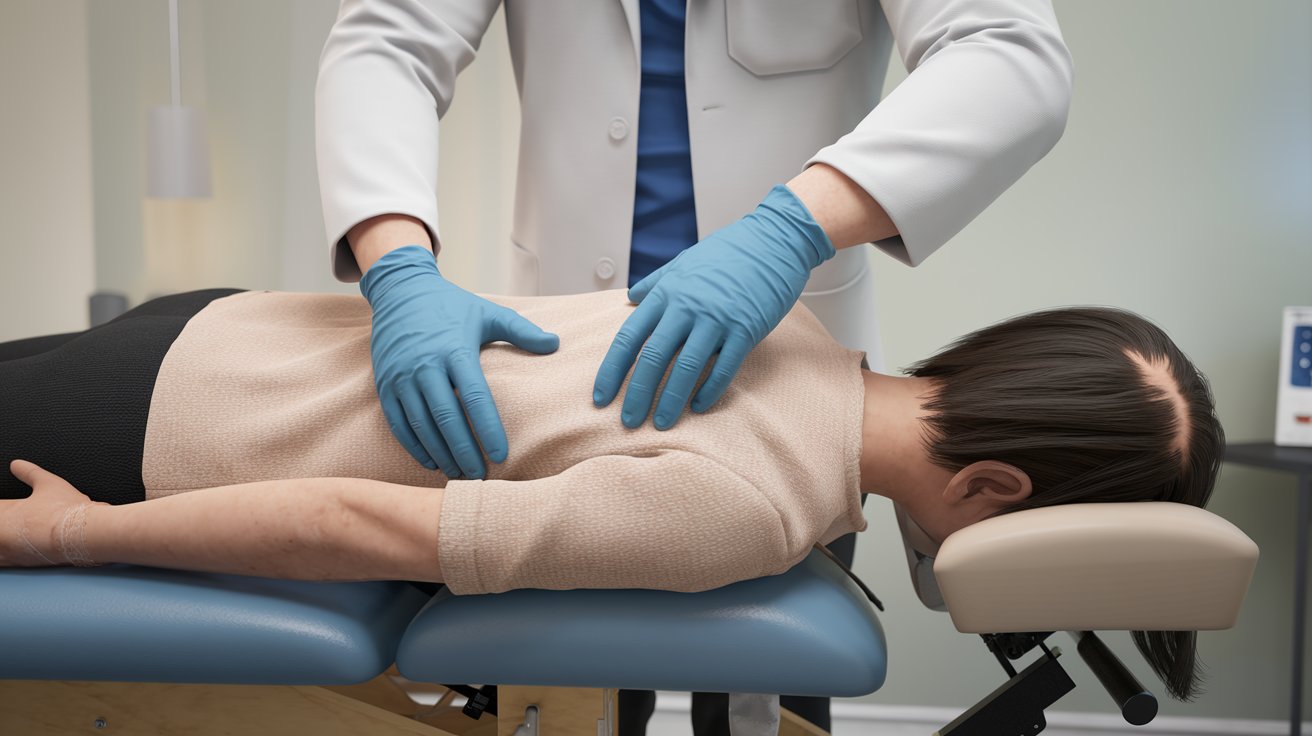
Poor posture affects over 86% of Americans who work at desks daily, leading to chronic back pain, reduced confidence, and long-term health issues. How to improve posture requires a comprehensive approach combining targeted exercises, ergonomic adjustments, and mindful daily habits. This guide provides science-backed methods to correct years of bad posture and achieve lasting results through consistent practice and proper technique.
Understanding What Good Posture Really Means
Good posture involves proper alignment of your spine’s three natural curves: cervical (neck), thoracic (upper back), and lumbar (lower back). When standing correctly, your ears should align over your shoulders, shoulders over hips, and hips over ankles. The American Physical Therapy Association reports that proper spinal alignment reduces pressure on joints by up to 40% and improves breathing efficiency by 30%. Modern lifestyle factors including prolonged sitting, smartphone use, and stress contribute to the epidemic of poor posture affecting 54 million American adults in 2024.
Poor posture manifests as forward head posture, rounded shoulders, and excessive spinal curvature. These deviations create muscle imbalances where some muscles become overactive and tight while others weaken and lengthen. Understanding posture mechanics is crucial because it affects not only physical appearance but also breathing, digestion, circulation, and even mood. Research from Harvard Medical School shows that upright posture increases testosterone by 20% and decreases cortisol by 25%, directly impacting confidence and stress levels.
Daily Habits That Transform Your Posture
The foundation of better posture lies in consistent daily habits rather than sporadic correction efforts. Setting hourly reminders to check your posture creates awareness and gradually retrains muscle memory. The 20-20-20 rule proves effective: every 20 minutes, look at something 20 feet away for 20 seconds while consciously straightening your spine. Studies from the University of California show that people who practice posture awareness techniques improve their alignment by 35% within four weeks of consistent application.
Creating an environment that supports good posture accelerates improvement. This includes adjusting your workspace, choosing supportive furniture, and organizing frequently used items at appropriate heights. Environmental modifications work subconsciously to maintain better alignment throughout the day. Physical therapists recommend the wall test: stand against a wall with your back flat, then walk away maintaining that position for increasing durations to build postural endurance and muscle memory.
Targeted Exercises to Fix Poor Posture
Strengthening exercises targeting weak postural muscles provide the foundation for lasting improvement. The deep neck flexors, rhomboids, middle trapezius, and core muscles typically require strengthening in individuals with poor posture. Clinical research demonstrates that specific exercise programs can improve forward head posture by 42% and reduce rounded shoulders by 38% when performed consistently for eight weeks. These exercises should be performed 3-4 times weekly for optimal results.
Strengthening Exercises for Better Alignment
Wall angels effectively strengthen the posterior chain while improving shoulder mobility. Stand with your back against a wall, arms in a goal post position, and slowly slide your arms up and down maintaining wall contact. Perform 15-20 repetitions twice daily. Chin tucks specifically target forward head posture by strengthening deep neck flexors. Gently draw your chin back creating a double chin appearance, hold for 5 seconds, and repeat 10 times. The prone Y-T-W exercise targets middle trapezius and rhomboids: lie face down and lift arms in Y, T, and W positions, holding each for 3 seconds.
Stretching Routines for Postural Muscles
Tight chest muscles and hip flexors commonly contribute to postural dysfunction and require targeted stretching. The doorway chest stretch effectively lengthens pectoralis major and minor: place your forearm against a doorframe and step forward, holding for 30 seconds on each side. Hip flexor stretches address anterior pelvic tilt by targeting the psoas muscle. The couch stretch or low lunge position held for 2 minutes per side significantly improves hip flexibility. Upper trapezius stretches relieve neck tension by gently pulling the head to one side while the opposite hand reaches toward the floor.
How to Improve Posture While Sitting
Proper sitting posture requires both ergonomic setup and active engagement. Your monitor should be at eye level, feet flat on the floor, and lumbar support maintaining your lower back’s natural curve. Ergonomic adjustments reduce spinal stress by up to 50% according to occupational health studies. However, even perfect ergonomics cannot eliminate the negative effects of prolonged sitting. The human body functions optimally with movement variation, making position changes every 30-45 minutes essential for spinal health.
Active sitting techniques maintain muscle engagement and postural awareness. Sit toward the front of your chair, engage your core muscles, and maintain a slight forward lean from your hips rather than your spine. Dynamic sitting alternatives like stability balls or standing desks provide variation but should be introduced gradually. Research from Cornell University shows that alternating between sitting and standing every hour reduces back pain by 54% and improves energy levels by 23% among office workers.
Standing Posture Techniques That Work
Optimal standing posture distributes body weight evenly across both feet while maintaining the spine’s natural curves. Common mistakes include locking knees, tilting pelvis forward, and shifting weight to one leg. Proper weight distribution involves slight knee flexion, neutral pelvis position, and active core engagement. The mountain pose from yoga provides an excellent foundation: feet hip-width apart, slight external rotation, and crown of the head reaching toward the ceiling.
Maintaining good standing posture during daily activities requires conscious effort and gradual conditioning. When standing for extended periods, use a footrest to alternate legs, wear supportive footwear, and engage core muscles without holding your breath. Standing posture endurance improves with practice, typically showing measurable improvement within 2-3 weeks of consistent attention. Physical therapy research indicates that proper standing alignment reduces lower back compression forces by 25% compared to slouched positions.
Technology and Tools for Posture Improvement
Modern technology offers various tools to support posture improvement, though they should supplement rather than replace active correction efforts. Posture corrector devices provide temporary external support while building awareness, but prolonged dependence can weaken natural postural muscles. Smart posture devices using sensors and smartphone apps show promise for real-time feedback, with studies indicating 28% improvement in posture adherence when using reminder technology consistently for six weeks.
Digital Solutions and Apps
Smartphone apps designed for posture tracking utilize device sensors to monitor head position and provide vibration alerts when posture deteriorates. Popular apps like PostureScreen and Upright demonstrate effectiveness in clinical trials, showing significant improvement in forward head posture measurements. Digital posture coaching proves most effective when combined with physical exercises and ergonomic modifications. These tools cost significantly less than traditional physical therapy while providing consistent monitoring and motivation for behavior change.
Ergonomic Equipment Selection
Choosing appropriate ergonomic equipment requires understanding individual needs and workspace constraints. Lumbar support cushions should maintain the lower back’s natural inward curve without pushing the spine into excessive lordosis. Adjustable monitor arms allow proper screen positioning at eye level, reducing neck flexion by an average of 15 degrees. Standing desk converters provide flexibility for position changes, though users should gradually increase standing duration to prevent fatigue and maintain good form throughout the transition period.
Addressing Common Posture Problems
Forward head posture, the most prevalent postural deviation, affects 66% of American adults according to 2024 physical therapy assessments. This condition involves the head positioning forward of the shoulders, creating increased cervical lordosis and thoracic kyphosis. Correcting forward head posture requires strengthening deep neck flexors while stretching suboccipital muscles and upper trapezius. Specific exercises like chin tucks and neck stretches show measurable improvement within 4-6 weeks of consistent practice.
Rounded shoulders often accompany forward head posture, creating a hunched appearance that impacts breathing and confidence. This postural fault results from tight chest muscles pulling the shoulders forward while weak rhomboids and middle trapezius fail to maintain proper scapular position. Shoulder posture correction involves doorway stretches for chest muscles combined with rowing movements to strengthen posterior chain muscles. The combination approach proves more effective than addressing individual components separately.
Creating Your Personal Posture Improvement Plan
Developing an effective posture improvement plan requires honest assessment of current habits, realistic goal setting, and consistent implementation. Begin with a posture photoshoot from front and side views to establish baseline measurements and track progress objectively. Personalized posture programs show 40% better adherence rates compared to generic approaches because they address individual lifestyle factors and specific postural deviations identified through assessment.
Implementation should follow a progressive approach, introducing 1-2 new habits weekly to avoid overwhelming your routine. Start with the easiest modifications like adjusting your workspace or setting posture reminders, then gradually add exercises and stretches. Sustainable posture improvement typically takes 6-12 weeks to show significant changes, with initial improvements in awareness and comfort appearing within the first two weeks. Consistency proves more important than intensity for achieving lasting postural changes and preventing regression to old habits.
Related video about how to improve posture
This video complements the article information with a practical visual demonstration.
Important things to know about how to improve posture
Can you correct years of bad posture?
Yes, you can significantly improve posture regardless of how long you’ve had poor alignment. While complete reversal of structural changes may not be possible in severe cases, functional improvement typically occurs within 6-12 weeks of consistent effort. Studies show that targeted exercises and habit changes can reduce forward head posture by 42% and improve shoulder alignment by 38% even after decades of poor posture.
How can I stop slouching permanently?
Stopping slouching requires building stronger postural muscles, creating environmental supports, and developing consistent awareness habits. Set hourly posture reminders, strengthen your core and back muscles through targeted exercises, and adjust your workspace ergonomically. The key is practicing good posture until it becomes automatic, which typically takes 6-8 weeks of conscious effort.
What is the fastest way to improve posture?
The fastest posture improvements come from combining multiple approaches simultaneously: ergonomic workspace adjustments for immediate relief, daily strengthening exercises for muscle development, and hourly posture check-ins for awareness building. Wall exercises and chin tucks show results within 2-3 weeks, while comprehensive improvement typically requires 6-8 weeks of consistent practice.
How to fix hunched back in 2 weeks?
While complete correction of hunched back takes longer, noticeable improvements can occur within 2 weeks through intensive intervention. Focus on doorway chest stretches 3 times daily, wall angels for strengthening, and conscious posture monitoring every hour. Sleep position correction and ergonomic adjustments accelerate progress. Expect 15-20% improvement in the first 2 weeks with continued progress over subsequent months.
How should I sleep to improve my posture?
Sleep on your back or side with proper pillow support to maintain spinal alignment. Back sleepers should use a thin pillow under the head and small pillow under knees. Side sleepers need a pillow that keeps the head level with the spine and another between knees. Avoid stomach sleeping as it strains the neck and spine, potentially undoing daytime posture improvements.
Do posture correctors actually work?
Posture correctors provide temporary support and awareness but should not be relied upon exclusively. They work best when used for 2-4 hours daily while building natural strength through exercises. Studies show 20-30% improvement when combining correctors with strengthening routines versus correctors alone. Long-term dependence can weaken postural muscles, so gradual weaning is essential as strength improves.
| Improvement Method | Timeline for Results | Key Benefits |
|---|---|---|
| Ergonomic Adjustments | Immediate relief | 50% reduction in spinal stress |
| Daily Exercise Routine | 2-4 weeks | 42% forward head posture improvement |
| Posture Awareness Habits | 1-2 weeks | 35% alignment improvement |
| Comprehensive Program | 6-12 weeks | Lasting postural transformation |