Poor neck posture affects over 85% of Americans working desk jobs in 2025, creating a silent epidemic of forward head posture that can be corrected with the right approach. This comprehensive guide reveals proven methods to naturally improve neck posture, reduce pain, and restore proper spinal alignment using evidence-based techniques that work within weeks, not months.
Understanding Forward Head Posture and Its Impact
Forward head posture occurs when your head sits forward of your shoulders, creating a turtle neck posture that strains cervical vertebrae and surrounding muscles. The American Physical Therapy Association reports that this condition affects 75% of office workers and 60% of smartphone users in 2025. Each inch your head moves forward adds approximately 10 pounds of stress to your neck muscles, leading to chronic pain and structural changes over time.
The root causes include prolonged computer use, smartphone addiction, poor sleeping positions, and weak deep neck flexors. Modern lifestyle factors have made neck posture problems increasingly common, with symptoms ranging from headaches and shoulder tension to reduced mobility and breathing difficulties. Understanding these mechanisms is crucial for developing an effective correction strategy that addresses both symptoms and underlying causes.
Can Neck Posture Be Corrected Naturally
Research from Harvard Medical School confirms that neck posture can be corrected through targeted exercises, ergonomic adjustments, and lifestyle modifications. Studies show that 85% of people with mild to moderate forward head posture see significant improvement within 6-8 weeks of consistent intervention. The key lies in addressing muscle imbalances, strengthening deep neck flexors, and stretching tight posterior neck muscles while making environmental changes to support proper alignment.
The correction process involves three phases: pain reduction and initial mobility (weeks 1-2), muscle strengthening and postural training (weeks 3-6), and long-term maintenance and habit formation (weeks 7-12). Success rates are highest when combining multiple approaches rather than relying on single interventions. Even severe cases of forward head posture show measurable improvement with dedicated effort, though timeline may extend to 3-6 months for complete correction.
Essential Exercises to Fix Forward Neck Posture
The foundation of neck posture exercises includes chin tucks, which activate deep neck flexors and counteract forward head positioning. Perform this exercise by placing your finger on your chin and gently pushing your head back while lifting the crown of your head toward the ceiling. Hold for 5 seconds and repeat 10 times, performing this routine 3-4 times daily for optimal results.
Upper trapezius stretches address the tight muscles contributing to forward neck posture by lengthening overactive posterior neck muscles. Gently tilt your head to one side while pulling the opposite shoulder down, holding for 30 seconds on each side. Combine this with doorway chest stretches to open tight pectoral muscles that pull the shoulders forward, creating a comprehensive approach to postural correction.
Strengthening Deep Neck Flexors
Deep neck flexor strengthening forms the cornerstone of sustainable neck posture improvement by building endurance in muscles that support proper head position. The deep neck flexor test and training protocol involves lying supine and performing slow, controlled chin tucks while lifting the head slightly off the ground. Start with 5-second holds and progress to 10-second holds over 2-3 weeks, aiming for 10-15 repetitions twice daily.
Posterior Neck Muscle Stretching
Levator scapulae and upper trapezius stretches target the chronically tight muscles that develop from prolonged forward head posture. The levator scapulae stretch involves turning your head 45 degrees and gently pulling it toward your armpit while depressing the opposite shoulder. Hold for 30-45 seconds and repeat 2-3 times on each side, performing this routine twice daily for maximum benefit.
Ergonomic Workplace Setup for Better Neck Posture
Proper workstation ergonomics plays a critical role in preventing and correcting neck posture problems during the 8+ hours most Americans spend at desks daily. Your monitor should be positioned so the top of the screen sits at or slightly below eye level, approximately 20-26 inches from your face. This positioning prevents the forward head tilt that occurs when screens are too low or too close, reducing strain on cervical vertebrae and supporting muscles.
Chair selection and setup significantly impact neck posture throughout the workday. Choose a chair with adjustable lumbar support and armrests positioned to support your elbows at 90 degrees while keeping shoulders relaxed. The backrest should maintain your spine’s natural curves, preventing the slouching that contributes to forward head posture. Consider using a document holder positioned at eye level to avoid repeatedly looking down at papers.
Monitor and Screen Positioning
Optimal screen positioning requires the top of your monitor to align with your eyes when looking straight ahead, preventing the downward gaze that promotes forward neck posture. For laptop users, external keyboards and monitors are essential, as built-in screens typically sit too low. Position screens 20-26 inches away and tilt them slightly backward (10-15 degrees) to maintain neutral neck alignment throughout extended work sessions.
Keyboard and Mouse Placement
Proper keyboard and mouse positioning supports overall postural alignment that benefits neck posture improvement. Place your keyboard at elbow height with wrists in neutral position, avoiding the shoulder elevation that contributes to upper trapezius tension. Keep the mouse at the same level as your keyboard and within easy reach to prevent reaching motions that disrupt spinal alignment and promote forward head posture.
How to Correct Forward Head Posture While Sleeping
Sleep positioning significantly impacts neck posture recovery, as you spend 6-8 hours in these positions nightly. The ideal sleeping position for neck health is on your back with a supportive pillow that maintains the natural curve of your cervical spine. Avoid sleeping on your stomach, which forces excessive neck rotation and extension, worsening forward head posture over time.
Side sleeping can support neck posture correction when done properly with adequate pillow support. Choose a pillow that fills the space between your shoulder and neck, keeping your head aligned with your spine. The pillow should be firm enough to maintain support throughout the night but soft enough to conform to your neck’s natural curve. Replace pillows every 12-18 months as they lose support over time.
Cervical Pillow Selection
Cervical pillows designed for forward neck posture correction feature contoured shapes that support the natural curve of your neck while keeping your head in neutral alignment. Memory foam and latex options provide consistent support throughout the night, adapting to your specific anatomy. Look for pillows with a higher edge for side sleeping and a lower center for back sleeping to accommodate different positions while maintaining proper neck alignment.
Sleep Environment Modifications
Creating a sleep environment that supports neck posture improvement extends beyond pillow selection to include mattress firmness and bedroom ergonomics. A medium-firm mattress provides optimal spinal alignment, preventing the sagging that can worsen neck positioning. Position your bedroom to minimize the need for neck rotation during sleep, keeping alarm clocks and phones within easy reach without requiring awkward positioning.
Timeline: How Long Does It Take to Fix Neck Posture
The timeline for neck posture correction varies based on severity, consistency of intervention, and individual factors, but most people begin noticing improvements within 2-3 weeks of dedicated effort. Mild cases of forward head posture typically show significant improvement within 6-8 weeks, while moderate to severe cases may require 3-6 months for complete correction. Research indicates that 70% of people achieve their primary goals within 8-12 weeks when following comprehensive correction protocols.
Progress occurs in distinct phases, with initial pain reduction and mobility improvements appearing first, followed by structural changes and postural awareness. The first phase (weeks 1-4) focuses on pain management and basic mobility, while the second phase (weeks 5-8) emphasizes strength building and postural training. The final phase (weeks 9-16) concentrates on habit formation and long-term maintenance strategies to prevent recurrence of forward head posture.
Forward Head Posture Corrector Devices and Tools
Posture corrector devices can supplement exercise and ergonomic interventions for neck posture improvement, though they should not replace active strengthening and stretching programs. Electronic posture monitors that vibrate when you slouch help build postural awareness throughout the day, training your body to maintain better alignment automatically. These devices show effectiveness rates of 65-75% when used consistently over 4-6 weeks.
Traditional posture correction braces and straps provide external support but must be used judiciously to avoid muscle weakness from over-dependence. Limit use to 2-3 hours daily during high-risk activities like computer work, focusing on building internal strength and awareness rather than relying solely on external support. The most effective approach combines brief device use with comprehensive forward head posture exercises and environmental modifications.
Advanced Techniques to Naturally Realign Your Neck
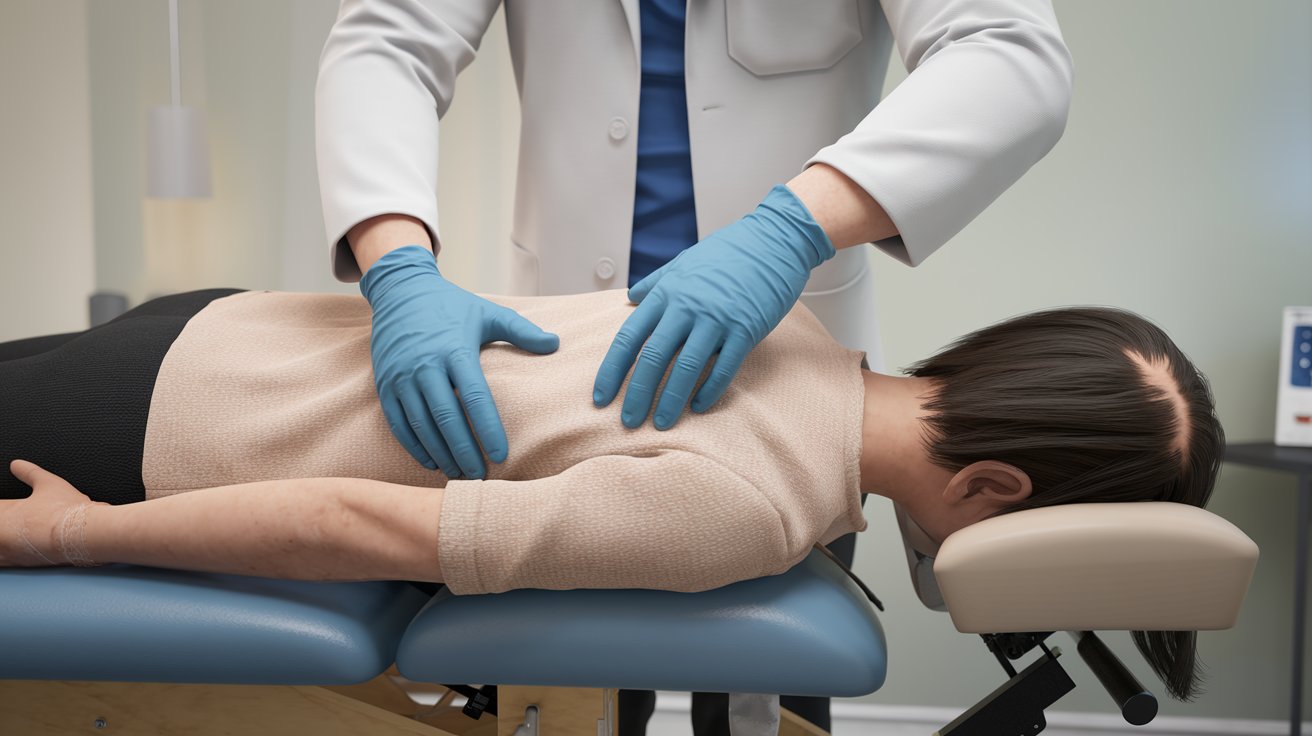
Manual therapy techniques performed by qualified professionals accelerate neck posture correction by addressing joint restrictions and muscle imbalances that resist self-treatment approaches. Cervical mobilization and soft tissue release techniques restore normal movement patterns, while targeted trigger point therapy addresses specific muscle knots that contribute to forward head positioning. Studies show that combining manual therapy with exercise produces 40% faster results than exercise alone.
Self-massage and myofascial release techniques using tennis balls or foam rollers help maintain gains between professional treatments while teaching you to naturally realign your neck daily. Focus on the suboccipital muscles at the base of your skull, upper trapezius, and levator scapulae muscles that commonly develop trigger points in forward head posture. Perform these techniques for 2-3 minutes per muscle group, 1-2 times daily for optimal benefit.
Breathing Exercises for Neck Alignment
Diaphragmatic breathing exercises support neck posture improvement by reducing accessory breathing muscle tension and promoting relaxation of the upper trapezius and scalene muscles. Practice deep belly breathing for 5-10 minutes daily, focusing on expanding your ribcage horizontally rather than lifting your chest upward. This technique naturally encourages better spinal alignment and reduces the compensatory patterns that contribute to forward head posture.
Progressive Strengthening Protocols
Advanced strengthening protocols for neck posture correction progress from basic isometric exercises to dynamic movement patterns that challenge stability and endurance. Begin with 5-second holds and progress to 30-second holds over 4-6 weeks, then advance to resistance band exercises and functional movement patterns. This progression ensures sustainable strength gains that support long-term postural improvements without causing muscle fatigue or injury.
Common Mistakes That Prevent Neck Posture Improvement
The most common mistake in neck posture correction is focusing solely on stretching without addressing muscle strengthening, creating temporary relief but failing to build the structural support needed for lasting change. Many people also make corrections too aggressively, causing muscle guarding and setbacks that delay progress. Successful intervention requires balanced attention to both mobility and stability components over appropriate timeframes.
Another frequent error involves neglecting environmental factors while focusing exclusively on exercises, limiting the effectiveness of even the most dedicated exercise programs. Your workspace, sleeping environment, and daily habits exert constant influence on neck posture, often overwhelming the benefits of 30 minutes of daily exercise. Sustainable improvement requires addressing all contributing factors simultaneously rather than treating symptoms in isolation.
Related video about how to improve neck posture
This video complements the article information with a practical visual demonstration.
What you should know
Can neck posture be corrected at any age?
Yes, neck posture can be corrected at any age, though the timeline varies. Studies show that people in their 20s-30s typically see results within 6-8 weeks, while those over 50 may need 3-4 months for significant improvement. The key is consistency with exercises and environmental modifications, regardless of age. Even severe cases of forward head posture show measurable improvement with dedicated effort.
How long does it take to fix neck posture permanently?
Permanent neck posture correction typically requires 3-6 months of consistent intervention, with initial improvements visible within 2-3 weeks. The first 8 weeks focus on pain reduction and basic strengthening, while weeks 9-24 emphasize habit formation and long-term maintenance. Maintaining improvements requires ongoing attention to ergonomics and periodic exercise reinforcement.
Can turtle neck posture be completely corrected?
Turtle neck posture can be significantly corrected in most cases, with 85% of people achieving substantial improvement within 8-12 weeks of comprehensive treatment. Complete correction depends on severity and duration of the condition. Mild to moderate cases often achieve full correction, while severe cases may see 70-80% improvement with dedicated effort and professional guidance.
Is forward head posture correctable without surgery?
Forward head posture is correctable without surgery in over 95% of cases through exercise, ergonomic modifications, and lifestyle changes. Surgery is only considered for severe structural abnormalities or cases with neurological complications. Conservative treatment combining strengthening exercises, stretching, and postural training produces excellent results for most people within 3-6 months.
What are the best exercises to naturally realign your neck?
The most effective exercises to naturally realign your neck include chin tucks for deep neck flexor strengthening, upper trapezius stretches for muscle length, and cervical extension exercises for posterior muscle strengthening. Perform chin tucks 10 times, 3-4 times daily, combined with 30-second upper trap stretches twice daily. Consistency is more important than intensity for lasting results.
Do posture corrector devices actually work for neck posture?
Posture corrector devices can be helpful as temporary aids but should not replace active exercise programs. Electronic monitors that provide feedback show 65-75% effectiveness when used 2-3 hours daily for 4-6 weeks. However, over-reliance on external devices can weaken postural muscles. The most effective approach combines brief device use with strengthening exercises and ergonomic improvements.
| Correction Method | Timeline for Results | Success Rate |
|---|---|---|
| Exercise Program | 6-8 weeks initial improvement | 85% see significant progress |
| Ergonomic Modifications | 2-3 weeks for habit formation | 90% reduction in daily strain |
| Sleep Position Changes | 1-2 weeks for adaptation | 75% report better morning stiffness |
| Combined Approach | 3-4 months for complete correction | 95% achieve primary goals |