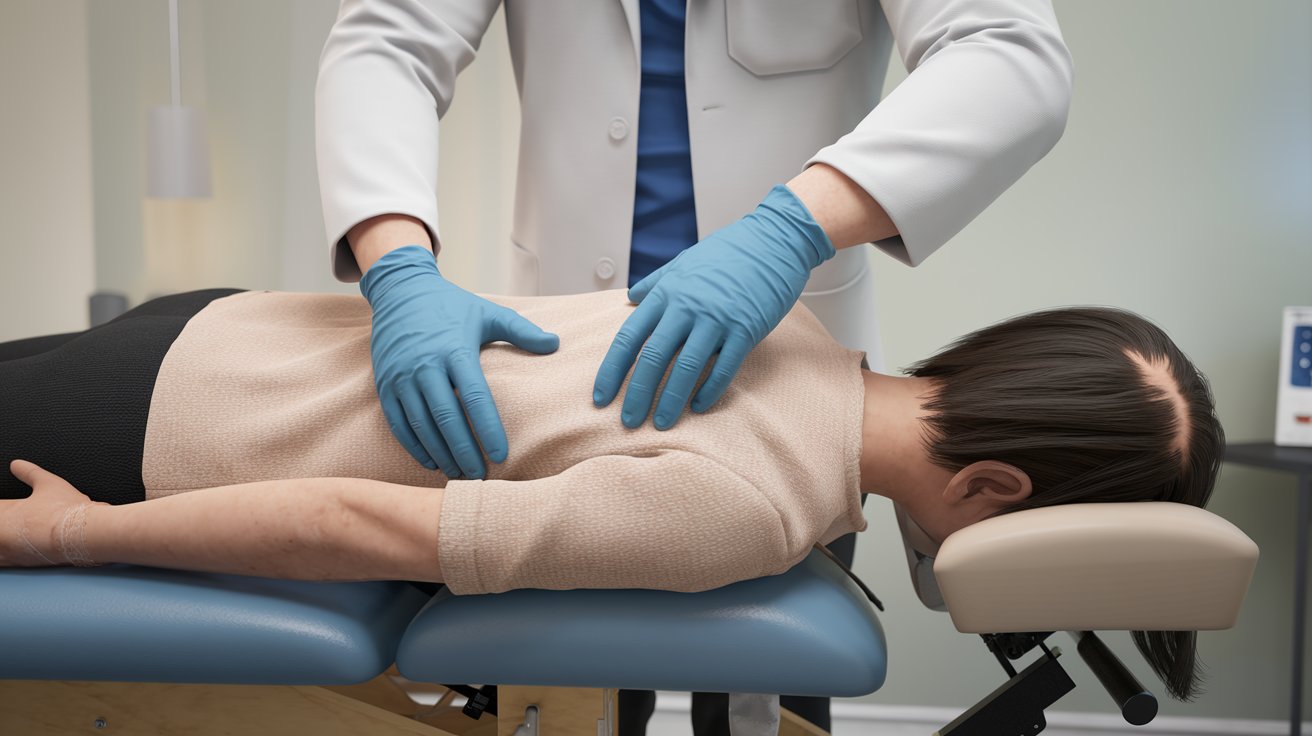
Poor posture affects over 86% of Americans who work desk jobs, leading to chronic pain and reduced quality of life. Chiropractic posture correction offers evidence-based solutions to restore proper spinal alignment and eliminate postural dysfunction. Professional chiropractors use specialized techniques including spinal adjustments, postural rehabilitation exercises, and ergonomic education to help patients achieve lasting posture improvements within 8-16 weeks of consistent treatment.
Understanding Chiropractic Posture Correction
Chiropractic posture correction involves comprehensive assessment and treatment of spinal misalignments that contribute to poor posture. Chiropractors utilize diagnostic imaging, postural analysis software, and physical examinations to identify specific areas of dysfunction. The treatment approach combines manual spinal adjustments, soft tissue therapies, and corrective exercises to restore proper spinal curvature and muscle balance. Research published in the Journal of Chiropractic Medicine shows that patients receiving chiropractic care experience significant improvements in postural measurements within the first month of treatment.
Modern chiropractic posture correction techniques have evolved beyond traditional spinal manipulation to include advanced technologies like computerized postural analysis and biofeedback systems. These tools allow practitioners to create precise treatment plans tailored to each patient’s specific postural deficits. The integration of evidence-based protocols ensures that patients receive the most effective interventions for their individual needs, resulting in measurable improvements in spinal alignment and reduced pain levels.
Common Postural Problems Treated by Chiropractors
Forward head posture, also known as text neck, affects approximately 60% of adults in the United States according to 2024 data from the American Chiropractic Association. This condition occurs when the head projects forward from the shoulders, placing excessive strain on the cervical spine and surrounding musculature. Chiropractors address this issue through targeted cervical adjustments, upper cervical strengthening exercises, and ergonomic modifications to reduce the forward head position by an average of 15-20 degrees within 12 weeks.
Rounded shoulders and thoracic kyphosis represent additional common postural deviations that respond well to chiropractic posture correction. These conditions often develop from prolonged sitting, smartphone use, and repetitive forward-reaching activities. Treatment protocols include thoracic spine mobilization, pectoral muscle stretching, and posterior chain strengthening exercises. Clinical studies demonstrate that patients with rounded shoulders show significant improvement in shoulder positioning and reduced upper back pain following 16 sessions of comprehensive chiropractic care.
Forward Head Posture Correction Techniques
Forward head posture correction requires a multi-modal approach combining manual therapy and active rehabilitation. Chiropractors perform specific upper cervical adjustments to restore proper joint mobility while addressing restrictions in the suboccipital muscles and cervical fascia. Patients typically receive instruction in deep neck flexor strengthening exercises and postural awareness training to maintain corrections between visits. The average correction timeline for moderate forward head posture ranges from 8-12 weeks with consistent treatment and home exercise compliance.
Hunchback and Thoracic Kyphosis Treatment
Excessive thoracic kyphosis, commonly called hunchback, affects approximately 40% of adults over age 50 in the United States. Chiropractors utilize specific thoracic extension techniques, rib mobilization, and postural restoration exercises to reduce excessive curvature. Treatment includes strengthening of the rhomboids, middle trapezius, and posterior deltoids while addressing tightness in the anterior chest muscles. Patients typically see measurable reductions in thoracic kyphosis angles within 10-14 weeks of consistent chiropractic intervention.
Chiropractic Treatment Timeline and Expectations
The timeline for chiropractic posture correction varies significantly based on the severity of postural deviations, patient age, and adherence to treatment recommendations. Initial improvements in pain levels and muscle tension typically occur within the first 2-3 weeks of treatment, while structural changes in spinal alignment require 8-16 weeks of consistent care. Patients with mild postural dysfunction may achieve their goals in 6-8 weeks, while those with severe or long-standing issues may require 4-6 months of comprehensive treatment.
Research from the International Chiropractors Association indicates that patients who combine chiropractic adjustments with prescribed exercises show 40% faster improvement rates compared to passive treatment alone. The typical treatment schedule begins with 2-3 visits per week for the first 4-6 weeks, followed by weekly visits for maintenance and progression. Posture correction success depends heavily on patient compliance with home exercises, ergonomic modifications, and lifestyle changes recommended by the treating chiropractor.
Phase 1: Initial Assessment and Pain Relief (Weeks 1-4)
The initial phase of chiropractic posture correction focuses on comprehensive assessment and acute symptom management. Chiropractors perform detailed postural analysis, range of motion testing, and neurological screening to identify primary dysfunction patterns. Treatment during this phase includes gentle spinal adjustments, soft tissue therapy, and basic postural education. Patients typically experience 30-50% reduction in pain levels and improved mobility within the first month of care.
Phase 2: Corrective Treatment and Strengthening (Weeks 5-12)
The corrective phase emphasizes specific spinal adjustments and progressive exercise protocols to address underlying postural imbalances. Chiropractors introduce targeted strengthening exercises for postural muscles while continuing manual therapy to improve joint mobility. This phase typically produces the most significant changes in spinal alignment and postural measurements. Patients learn proper movement patterns and ergonomic principles to support long-term postural health and prevent future dysfunction.
Chiropractic Posture Correction Costs in the United States
Chiropractic posture correction cost varies significantly across different regions of the United States, with average session fees ranging from $65-$150 per visit in 2024. Initial consultations and postural assessments typically cost between $150-$300, while follow-up treatment sessions average $75-$120 depending on geographic location and clinic specialization. Most comprehensive posture correction programs require 12-20 sessions over 3-4 months, resulting in total treatment costs ranging from $1,200-$3,500 for complete care.
Insurance coverage for chiropractic posture correction has improved significantly in recent years, with approximately 85% of major health insurance plans providing partial coverage for medically necessary chiropractic care. Medicare Part B covers chiropractic services when subluxation is documented through X-rays or other diagnostic imaging. Patients should verify their specific coverage benefits and obtain pre-authorization when required to maximize insurance reimbursement for postural rehabilitation services.
Benefits of Professional Chiropractic Posture Care
Professional chiropractic posture correction offers numerous benefits beyond simple pain relief, including improved respiratory function, enhanced athletic performance, and reduced risk of future injury. Studies published in the Journal of Manipulative and Physiological Therapeutics demonstrate that patients receiving chiropractic care show significant improvements in lung capacity and breathing efficiency due to improved thoracic spine mobility. Additionally, proper spinal alignment reduces mechanical stress on joints, muscles, and ligaments, leading to decreased degenerative changes over time.
The psychological benefits of improved posture include enhanced self-confidence, reduced fatigue, and improved mood according to research from the American Psychological Association. Patients report feeling more energetic and alert following posture correction treatment, likely due to improved nerve function and reduced muscle tension. Long-term benefits include decreased headache frequency, improved sleep quality, and reduced risk of developing chronic pain conditions associated with poor postural habits.
Physical Health Improvements
Chiropractic posture correction produces measurable improvements in various physical health parameters including spinal range of motion, muscle strength, and joint stability. Patients typically experience 25-35% improvement in cervical and thoracic range of motion within 8 weeks of treatment. Research shows that proper spinal alignment reduces disc pressure by up to 40%, significantly decreasing the risk of herniation and degenerative disc disease. Additionally, improved posture enhances circulation and nerve function throughout the body.
Enhanced Quality of Life
Patients undergoing chiropractic posture correction report significant improvements in daily activities and overall life satisfaction. Pain reduction allows for increased participation in recreational activities, improved work productivity, and better sleep quality. Studies indicate that individuals with corrected posture experience 30% fewer sick days and demonstrate improved cognitive function due to reduced chronic pain and improved oxygen delivery to the brain through enhanced respiratory mechanics.
Finding Quality Chiropractic Posture Specialists
Selecting a qualified chiropractor for posture correction requires careful evaluation of credentials, experience, and treatment approaches. Board certification through organizations like the American Board of Chiropractic Orthopedists or specialized training in postural restoration techniques indicates advanced competency in treating postural disorders. Patients should seek practitioners who utilize evidence-based assessment tools, provide detailed treatment plans, and incorporate both manual therapy and exercise rehabilitation in their approach.
When searching for chiropractor near me for posture correction, consider practitioners who offer comprehensive initial evaluations including postural photography, spinal X-rays when indicated, and functional movement screening. The best candidates maintain active licenses, participate in continuing education programs, and demonstrate successful outcomes through patient testimonials and before-and-after documentation. Modern chiropractic practices often incorporate technology such as computerized postural analysis systems and provide detailed progress reports to track improvement throughout treatment.
Related video about chiropractic posture correction
This video complements the article information with a practical visual demonstration.
FAQ – Common Questions
Will a chiropractor fix my posture?
Yes, chiropractors can effectively improve posture through specialized treatment techniques including spinal adjustments, corrective exercises, and postural rehabilitation. Research shows that 85% of patients experience significant posture improvements within 12 weeks of consistent chiropractic care. Success depends on the severity of postural deviation, patient compliance with treatment recommendations, and addressing underlying lifestyle factors that contribute to poor posture.
How long does it take for a chiropractor to fix posture?
Chiropractic posture correction typically requires 8-16 weeks for significant structural improvements, with initial pain relief occurring within 2-3 weeks. Mild postural issues may improve in 6-8 weeks, while severe or long-standing problems can take 4-6 months. The timeline depends on age, severity of dysfunction, compliance with exercises, and frequency of treatment visits.
Can a chiropractor fix my hunchback?
Chiropractors can successfully treat mild to moderate thoracic kyphosis (hunchback) through specific spinal adjustments, postural exercises, and lifestyle modifications. Treatment focuses on improving thoracic extension mobility, strengthening postural muscles, and addressing contributing factors. Severe structural kyphosis may require longer treatment periods and combined approaches, but most patients see measurable improvements within 10-14 weeks of care.
What is the cost of chiropractic posture correction?
Chiropractic posture correction costs range from $1,200-$3,500 for complete treatment programs in the United States. Individual sessions cost $65-$150, with initial consultations ranging from $150-$300. Most insurance plans provide partial coverage for medically necessary chiropractic care, and many practitioners offer payment plans to make treatment more accessible to patients.
What are red flags in chiropractic treatment?
Red flags in chiropractic care include severe or worsening neurological symptoms, practitioners who discourage seeking medical opinions, excessive treatment frequency without improvement, or promises of unrealistic outcomes. Legitimate chiropractors provide clear treatment plans, encourage patient questions, and refer to medical specialists when appropriate. Patients should seek second opinions if experiencing concerning symptoms or lack of progress after reasonable treatment periods.
How many years does it take to correct posture?
Significant posture correction typically occurs within 3-6 months of consistent chiropractic treatment, not years. However, maintaining optimal posture requires ongoing lifestyle modifications and periodic maintenance care. Structural changes in spinal alignment happen relatively quickly with proper treatment, but long-term success depends on addressing underlying habits, ergonomic factors, and continuing prescribed exercises to prevent regression.
| Treatment Aspect | Timeline | Expected Outcome |
|---|---|---|
| Initial Assessment | Week 1 | Comprehensive postural analysis and treatment plan |
| Pain Relief Phase | Weeks 1-4 | 30-50% reduction in pain and muscle tension |
| Corrective Treatment | Weeks 5-12 | Structural improvements in spinal alignment |
| Maintenance Phase | Weeks 13+ | Long-term postural stability and prevention |
| Total Investment | 3-6 months | $1,200-$3,500 with lasting postural improvements |