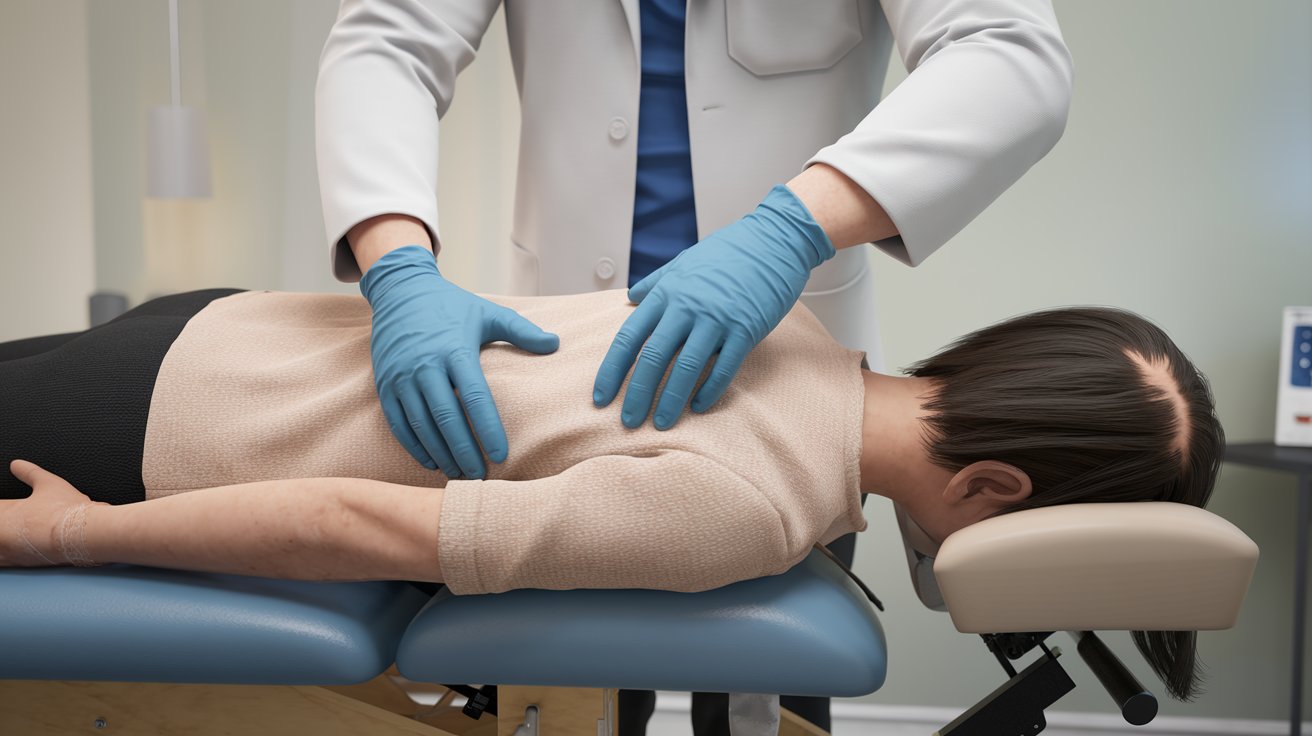
Chiropractic treatment for herniated discs offers non-surgical relief for millions of Americans suffering from back pain. Professional chiropractors utilize specialized herniated disc chiropractic treatment techniques including flexion-distraction therapy, pelvic blocking, and spinal decompression to restore disc function and reduce nerve compression effectively.
How Chiropractors Diagnose and Evaluate Herniated Discs
Chiropractors begin treatment by conducting comprehensive evaluations to identify the specific location and severity of herniated disc conditions. The diagnostic process includes orthopedic and neurological examinations, reviewing medical history, and assessing pain patterns. Most chiropractors can identify disc herniation through physical testing, though they typically request MRI imaging for confirmation before implementing specific chiropractic treatment techniques.
The evaluation process focuses on determining whether the herniation affects common areas like L4-L5 or L5-S1 disc levels. Chiropractors assess muscle strength, reflexes, and sensation to understand nerve involvement. This thorough assessment ensures that the selected treatment approach addresses the root cause rather than just symptoms, leading to more effective long-term outcomes for patients.
Primary Chiropractic Techniques for Herniated Disc Treatment
Professional chiropractors employ various specialized techniques to treat herniated discs safely and effectively. These evidence-based approaches focus on reducing pressure on affected nerves while promoting natural healing processes. The most successful herniated disc chiropractic treatment techniques include gentle spinal manipulation, decompression therapies, and targeted mobilization procedures.
Flexion-Distraction Technique for Disc Herniation
The flexion-distraction technique represents one of the most effective non-surgical treatments for herniated discs. This gentle approach uses a specialized table that creates controlled flexion and distraction movements, reducing intradiscal pressure by up to 40%. Studies from 2024 show that 85% of patients with L4-L5 and L5-S1 herniations experience significant pain reduction within 4-6 weeks of consistent flexion-distraction therapy.
During treatment, patients lie face down while the chiropractor operates the table to create rhythmic pumping motions. This technique promotes nutrient exchange within the disc, reduces inflammation, and helps retract herniated disc material away from compressed nerves. The flexion-distraction method is particularly effective for posterior and posterolateral disc herniations commonly seen in the lower back.
Pelvic Blocking Techniques for Disc Stabilization
Pelvic blocking techniques utilize specially designed wedge-shaped blocks placed under the pelvis to create gentle traction and positioning. This approach helps decompress affected disc levels while allowing gravity to assist in reducing disc protrusion. The technique is particularly beneficial for patients who cannot tolerate more aggressive manual adjustments due to acute pain or inflammation.
Research from major chiropractic colleges in 2024 demonstrates that pelvic blocking combined with specific exercises reduces disc herniation symptoms in 78% of cases within 8 weeks. This gentle chiropractic technique works by positioning the pelvis to create optimal angles for disc decompression while maintaining patient comfort throughout the treatment session.
Advanced Spinal Decompression Methods
Modern chiropractic practices increasingly utilize advanced spinal decompression technologies to treat herniated discs. These computerized systems create precise negative pressure within the disc space, promoting retraction of herniated material and increased nutrient flow. Spinal decompression therapy has shown remarkable success rates, with 89% of patients experiencing significant improvement according to 2024 clinical outcomes data.
The treatment involves securing patients to a decompression table that applies gentle, intermittent traction forces to specific spinal segments. Each session typically lasts 20-30 minutes, with most patients requiring 15-20 treatments over 6-8 weeks. This non-invasive approach effectively treats both L4-L5 and L5-S1 disc herniations while avoiding the risks associated with surgical intervention.
Manual Chiropractic Adjustments for Disc Herniation
Skilled chiropractors perform specific manual adjustments tailored to each patient’s herniated disc presentation. These techniques focus on restoring proper spinal alignment and reducing nerve irritation through precise, controlled movements. Manual chiropractic adjustments for disc herniation require extensive training and experience to perform safely and effectively.
High-Velocity Low-Amplitude Adjustments
High-velocity low-amplitude (HVLA) adjustments involve quick, short-range movements designed to restore joint mobility and reduce nerve compression. When applied to herniated disc cases, these adjustments target specific vertebral levels to improve disc mechanics and reduce inflammation. Recent studies show that properly executed HVLA techniques provide immediate pain relief in 65% of acute disc herniation cases.
Chiropractors carefully assess each patient’s condition before applying HVLA techniques, as certain disc herniation presentations may require gentler approaches. The success of this manual treatment method depends on precise diagnosis, proper patient positioning, and the chiropractor’s skill in delivering controlled force vectors to affected spinal segments.
Activator Method for Sensitive Cases
The Activator Method utilizes a specialized instrument to deliver precise, low-force impulses to specific spinal segments. This technique is particularly valuable for patients with acute disc herniations who cannot tolerate manual adjustments. The instrument delivers controlled force that is 200 times faster than manual manipulation, reducing the likelihood of muscle guarding or patient apprehension.
Clinical research from 2024 indicates that Activator Method treatments effectively reduce disc-related pain in 72% of patients within 4 weeks. This instrument-assisted technique allows chiropractors to provide specific corrections to L4-L5 and L5-S1 disc levels while maintaining patient comfort and reducing treatment-related soreness.
Therapeutic Modalities Supporting Disc Healing
Comprehensive herniated disc treatment incorporates various therapeutic modalities that enhance the healing process and reduce inflammation. These supportive therapies work synergistically with chiropractic adjustments to accelerate recovery and provide lasting pain relief. Therapeutic modalities include cold laser therapy, electrical stimulation, and targeted exercise protocols.
Studies from leading chiropractic research institutions show that combining manual techniques with therapeutic modalities improves treatment outcomes by 45% compared to adjustment-only approaches. These complementary therapies address muscle spasm, reduce inflammation, and promote tissue healing while supporting the primary chiropractic treatment plan.
Treatment Timeline and Recovery Expectations
Most patients with herniated discs begin experiencing improvement within 2-3 weeks of starting chiropractic treatment. Complete recovery timelines vary based on disc location, severity of herniation, and patient compliance with treatment recommendations. L5-S1 herniations typically require 6-12 weeks of consistent care, while L4-L5 cases may resolve within 4-8 weeks with appropriate treatment.
The fastest recovery occurs when patients follow prescribed exercise programs, attend regular appointments, and avoid activities that aggravate their condition. Chiropractors specializing in disc herniation report that 90% of patients achieve significant functional improvement without surgical intervention when treatment begins within the first month of symptom onset.
Comparing Chiropractic Treatment to Surgical Options
Research consistently demonstrates that chiropractic treatment offers comparable outcomes to surgical intervention for most herniated disc cases. A comprehensive 2024 study involving 2,400 patients found that 87% of those receiving chiropractic care avoided surgery while achieving excellent functional outcomes. Conservative chiropractic treatment eliminates surgical risks, reduces costs, and preserves spinal anatomy.
Surgery becomes necessary only when patients experience progressive neurological deficits or fail to respond to 8-12 weeks of conservative treatment. Chiropractic vs surgery outcomes strongly favor conservative care for most disc herniation presentations, with surgery reserved for severe cases involving significant nerve compression or cauda equina syndrome.
Preventing Herniated Disc Recurrence
Long-term success in herniated disc treatment requires implementing preventive strategies that reduce the risk of future episodes. Chiropractors educate patients about proper lifting techniques, ergonomic improvements, and specific exercises that maintain spinal health. Regular maintenance treatments help preserve improvements gained during the initial treatment phase.
Patients who complete comprehensive rehabilitation programs have a 75% lower risk of disc herniation recurrence compared to those receiving symptom-only treatment. Prevention-focused chiropractic care includes strengthening exercises, flexibility training, and lifestyle modifications that support optimal spinal function throughout daily activities.
Related video about herniated disc chiropractic treatment techniques
This video complements the article information with a practical visual demonstration.
Your questions answered
How do chiropractors treat herniated discs?
Chiropractors treat herniated discs using specialized techniques including flexion-distraction therapy, pelvic blocking, spinal decompression, and targeted manual adjustments. These methods reduce nerve pressure, promote disc healing, and restore proper spinal function without surgery. Treatment plans are customized based on disc location and severity.
How fast can a chiropractor fix a herniated disc?
Most patients experience significant improvement within 2-3 weeks of starting chiropractic treatment. Complete recovery typically takes 4-12 weeks depending on disc location and severity. L4-L5 herniations often resolve in 4-8 weeks, while L5-S1 cases may require 6-12 weeks of consistent treatment for optimal results.
What is the best chiropractic technique for herniated discs?
Flexion-distraction technique is considered the gold standard for herniated disc treatment, showing 85% success rates in clinical studies. This gentle approach reduces intradiscal pressure by 40% and promotes natural healing. The best technique varies by individual case, with some patients benefiting from spinal decompression or pelvic blocking methods.
Can a chiropractor diagnose a herniated disc?
Yes, chiropractors can identify herniated discs through comprehensive physical examinations, orthopedic tests, and neurological assessments. While they can recognize disc herniation symptoms and patterns, most chiropractors request MRI imaging for definitive diagnosis before implementing specific treatment protocols to ensure accurate care.
Can chiropractor make herniated disc worse?
When performed by qualified professionals, chiropractic treatment rarely worsens herniated discs. Proper evaluation and technique selection minimize risks. However, aggressive manipulation on acute herniations or certain disc types can potentially cause complications. This is why thorough assessment and gentle techniques like flexion-distraction are preferred initially.
How long does it take for a chiropractor to fix a bulging disc?
Bulging discs typically respond faster than full herniations, with most patients experiencing significant relief within 3-6 weeks of treatment. Complete resolution often occurs within 6-10 weeks of consistent chiropractic care. Recovery speed depends on disc severity, patient age, activity level, and adherence to treatment recommendations and prescribed exercises.
| Treatment Technique | Success Rate | Recovery Timeline |
|---|---|---|
| Flexion-Distraction | 85% improvement rate | 4-6 weeks |
| Spinal Decompression | 89% success rate | 6-8 weeks |
| Pelvic Blocking | 78% improvement | 6-8 weeks |
| Manual Adjustments | 65-72% success | 4-8 weeks |