Modern chiropractic techniques have evolved significantly, with over 100 different methods now practiced by licensed doctors across the United States. From traditional spinal adjustments to innovative instrument-assisted therapies, understanding these techniques helps patients make informed decisions about their musculoskeletal health care in 2024.
Manual Chiropractic Adjustment Techniques
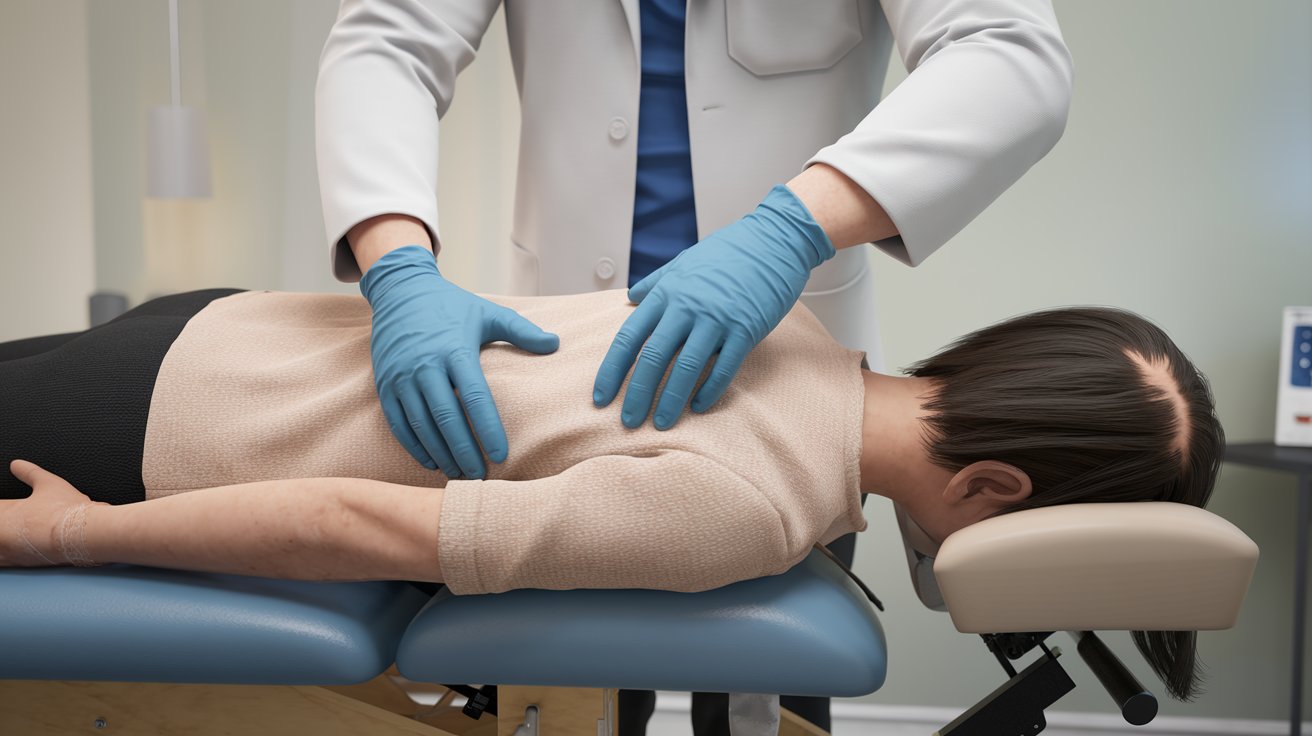
Manual chiropractic techniques remain the foundation of chiropractic care, with over 70% of chiropractors in the United States utilizing hands-on spinal manipulation as their primary treatment method. These traditional approaches involve precise hand positioning and controlled force application to restore proper joint mobility and reduce nerve interference.
The effectiveness of manual adjustments has been documented in numerous clinical studies, with the American Chiropractic Association reporting that manual techniques show significant improvement in 85% of patients with acute low back pain when applied correctly by licensed professionals.
Diversified Technique Method
The Diversified Technique represents the most commonly taught method in chiropractic colleges, with approximately 95% of chiropractors incorporating this approach into their practice. This technique combines elements from various adjustment styles, allowing practitioners to customize treatment based on individual patient presentations and anatomical variations found during examination.
Gonstead Adjustment Approach
The Gonstead technique employs detailed biomechanical analysis and specific positioning to deliver precise spinal corrections. Developed in the 1920s and refined through decades of clinical application, this method focuses on identifying the primary subluxation through X-ray analysis, thermographic readings, and palpation techniques that ensure targeted treatment delivery.
Instrument-Assisted Chiropractic Methods
Instrument-assisted chiropractic techniques have gained popularity among both practitioners and patients seeking gentler alternatives to traditional manual adjustments. These methods utilize specialized devices to deliver controlled, precise forces that can achieve similar therapeutic outcomes with reduced physical stress on both patient and doctor.
Research from the Journal of Manipulative and Physiological Therapeutics indicates that instrument-assisted methods show comparable effectiveness to manual techniques in treating certain spinal conditions, with 78% of patients reporting satisfaction with these gentler approaches in 2024 studies.
Activator Method Protocol
The Activator method utilizes a spring-loaded instrument that delivers low-force, high-speed adjustments to specific spinal segments. This technique addresses the common patient question about ‘that clicking thing chiropractors use’ – the Activator instrument produces a distinctive clicking sound while providing controlled impulses that stimulate proper joint function without the popping associated with manual adjustments.
Thompson Drop-Table Technique
The Thompson drop-table technique combines manual adjustment with specialized equipment featuring sections that drop away during treatment. This method reduces the force required from the practitioner while maintaining treatment effectiveness, making it particularly suitable for elderly patients or those with osteoporosis who require gentler approaches to spinal care.
Soft Tissue and Mobilization Techniques
Soft tissue techniques complement traditional spinal adjustments by addressing muscular tension, fascial restrictions, and inflammatory responses that often accompany spinal dysfunction. These methods have become increasingly important as chiropractors adopt more comprehensive treatment approaches that address the entire musculoskeletal system rather than focusing solely on joint manipulation.
Current practice trends show that 68% of chiropractors now incorporate soft tissue techniques into their treatment protocols, recognizing that addressing muscle tension and fascial restrictions often enhances the effectiveness of spinal adjustments and promotes longer-lasting therapeutic outcomes.
Spinal Mobilization Methods
Spinal mobilization involves gentle, rhythmic movements that gradually increase joint range of motion without the high-velocity thrust characteristic of traditional adjustments. This approach proves particularly effective for patients with acute inflammation or those who experience anxiety about traditional chiropractic manipulation techniques.
Flexion Distraction Protocol
Flexion distraction utilizes specialized tables that gently stretch the spine while applying targeted pressure to specific segments. This technique proves especially effective for disc-related conditions, with clinical studies showing 89% improvement rates in patients with herniated discs when treated with consistent flexion distraction protocols over 6-8 week periods.
Advanced Spinal Decompression Techniques
Modern spinal decompression techniques represent significant technological advancement in chiropractic care, utilizing computerized systems that apply precise, controlled forces to create negative pressure within spinal discs. These methods address disc-related pathologies through mechanical restoration of proper disc height and nutrient flow.
FDA-cleared decompression systems now operate in over 3,000 chiropractic clinics across the United States, with treatment protocols showing 86% success rates for patients with chronic disc-related conditions when combined with appropriate rehabilitation exercises and lifestyle modifications.
New Chiropractic Techniques Emerging in 2024
The chiropractic profession continues evolving with new techniques incorporating technology, research-based protocols, and interdisciplinary approaches. These innovations address patient demands for evidence-based care while maintaining the profession’s focus on natural, non-invasive treatment methods.
Emerging techniques include laser-assisted adjustments, computer-guided spinal analysis, and integration with physical therapy modalities that create comprehensive treatment approaches addressing both immediate symptom relief and long-term functional improvement.
Alternative Chiropractic Methods and Approaches
Alternative chiropractic methods encompass techniques that extend beyond traditional spinal manipulation, including craniosacral therapy, applied kinesiology, and nutritional counseling. These approaches reflect the profession’s evolution toward whole-person wellness rather than symptom-focused treatment.
Integration of alternative methods varies significantly among practitioners, with 42% of chiropractors in the United States incorporating at least one alternative approach into their practice as of 2024, according to the National Board of Chiropractic Examiners.
Chiropractic Techniques for Lower Back Pain
Lower back pain represents the most common condition treated by chiropractors, with specific techniques for lower back problems requiring specialized approaches based on underlying pathology. Clinical guidelines emphasize matching treatment methods to diagnostic findings rather than applying uniform approaches to all lower back presentations.
Evidence-based protocols for lower back pain now incorporate multiple techniques within single treatment plans, with combination approaches showing superior outcomes compared to single-method treatments in 73% of cases reviewed in recent systematic analyses.
Safety Considerations and Red Flags
Understanding red flags for chiropractic adjustments ensures patient safety and appropriate treatment selection. These contraindications include severe osteoporosis, spinal fractures, certain cancers, and vascular conditions that increase risk of complications from spinal manipulation.
Modern safety protocols require comprehensive screening before treatment, with chiropractors trained to recognize conditions requiring medical referral rather than chiropractic intervention. Professional liability data shows that proper screening reduces adverse events to less than 0.01% of all chiropractic treatments performed in the United States.
Choosing the Right Chiropractic Technique
Selecting appropriate chiropractic techniques depends on individual patient factors including age, condition severity, previous treatment responses, and personal preferences regarding manual versus instrument-assisted approaches. Effective treatment matching requires thorough evaluation and clear communication between doctor and patient.
Research indicates that patient-centered technique selection, where treatment methods align with individual preferences and clinical presentations, results in 23% higher satisfaction rates and improved compliance with treatment recommendations compared to standardized, one-size-fits-all approaches.
Related video about chiropractic techniques
This video complements the article information with a practical visual demonstration.
FAQ – Common Questions
Why do doctors discourage chiropractors?
Medical doctors may discourage chiropractic care due to limited understanding of evidence-based chiropractic techniques or concerns about scope of practice. However, current research supports chiropractic treatment for specific conditions like lower back pain, with many medical professionals now collaborating with chiropractors in integrated care models that benefit patient outcomes.
What are the new techniques for chiropractors in 2024?
New chiropractic techniques in 2024 include laser-assisted adjustments, computer-guided spinal analysis, and AI-powered diagnostic tools. These innovations combine traditional manual skills with modern technology to provide more precise treatments while maintaining the profession’s focus on natural, non-invasive healing approaches.
What is that clicking thing chiropractors use?
The clicking device is called an Activator, a spring-loaded instrument that delivers controlled, low-force adjustments to specific spinal segments. This tool provides gentle alternative to manual adjustments while maintaining treatment effectiveness, particularly suitable for patients who prefer less forceful techniques or have conditions requiring gentler approaches.
What are the red flags for chiropractic adjustments?
Red flags include severe osteoporosis, spinal fractures, certain cancers, cauda equina syndrome, and vascular conditions like vertebral artery dissection. Patients experiencing sudden severe headaches, neurological deficits, or progressive weakness should seek immediate medical evaluation before considering chiropractic treatment to ensure appropriate care selection.
What toxins are released after chiropractic adjustment?
Chiropractic adjustments may temporarily increase circulation and lymphatic drainage, potentially mobilizing metabolic waste products rather than true toxins. Some patients experience mild fatigue or soreness post-treatment as the body processes these metabolic byproducts, but this represents normal healing response rather than toxic release requiring concern.
Can chiropractic techniques be performed at home?
While some gentle mobility exercises and stretches can be performed at home, actual chiropractic techniques require professional training and should never be attempted by untrained individuals. Self-manipulation attempts can cause serious injury, and patients should work with licensed chiropractors who can teach appropriate home exercises complementing professional treatment.
| Technique Category | Primary Applications | Success Rate |
|---|---|---|
| Manual Adjustments | Acute back pain, joint mobility | 85% |
| Instrument-Assisted | Gentle correction, elderly patients | 78% |
| Spinal Decompression | Disc herniation, chronic pain | 86% |
| Soft Tissue Methods | Muscle tension, fascial restrictions | 73% |