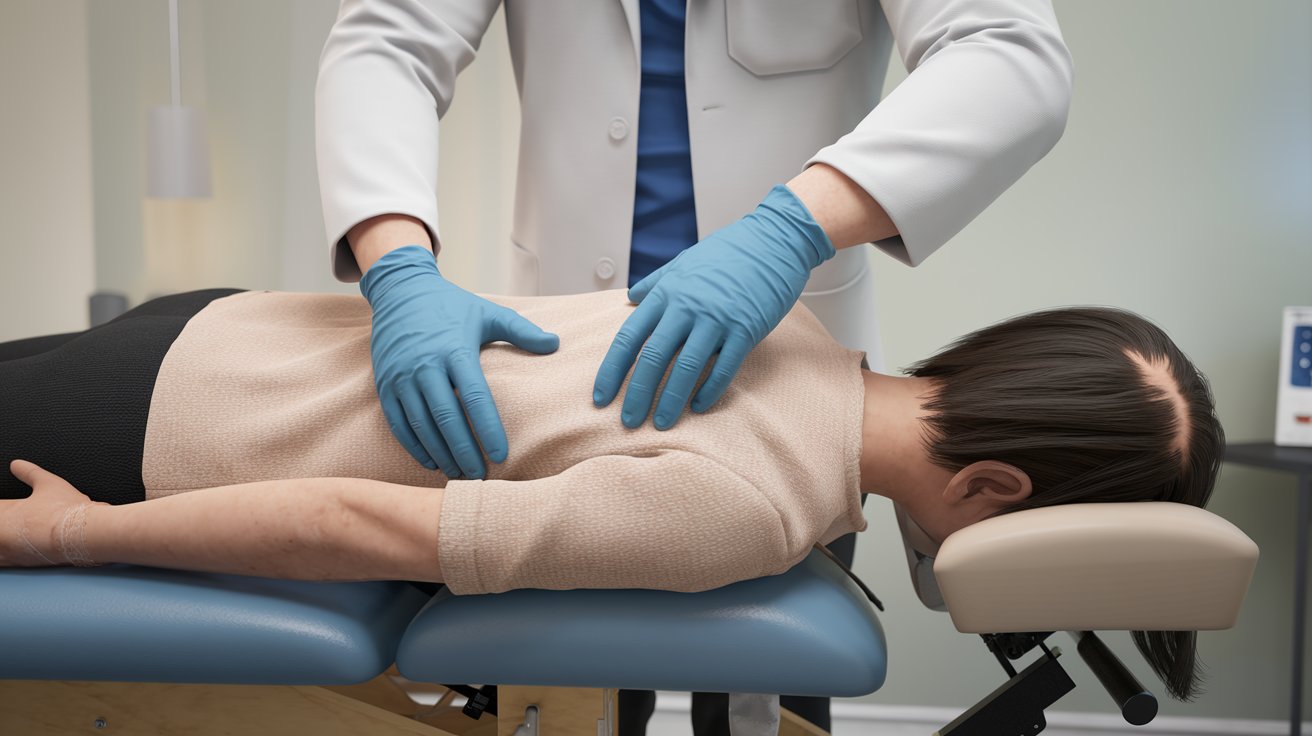
Chiropractic adjustment techniques have revolutionized pain management and spinal health care in 2025. With over 70,000 licensed chiropractors practicing across the United States, understanding different adjustment methods helps patients make informed healthcare decisions. These evidence-based techniques address various spinal conditions, from acute lower back pain to chronic neck discomfort, offering non-invasive alternatives to traditional medical treatments.
The Diversified Technique: Gold Standard of Chiropractic Adjustments
The diversified technique remains the most widely taught and practiced chiropractic method in the United States, used by approximately 85% of chiropractors nationwide. This traditional approach involves high-velocity, low-amplitude thrusts delivered by hand to specific spinal segments. The technique focuses on restoring normal biomechanical function and structural alignment of spinal segments.
Modern research from 2024 demonstrates that diversified adjustments effectively reduce pain intensity by 40-60% in patients with mechanical lower back pain within four weeks of treatment. The technique requires extensive training and clinical experience, as practitioners must develop precise palpation skills and understand complex spinal biomechanics to deliver safe, effective treatments.
Activator Method: Precision Instrument-Assisted Adjustments
The Activator method utilizes a small, handheld instrument that delivers controlled, low-force impulses to specific spinal areas. This technique appeals to patients who prefer gentler approaches or have concerns about traditional manual adjustments. The Activator instrument generates consistent force delivery, making treatments more predictable and reproducible across different practitioners.
Clinical studies from 2024 show that Activator adjustments produce similar pain relief outcomes compared to manual techniques while reducing patient anxiety by 35%. This method proves particularly effective for elderly patients, those with osteoporosis, or individuals recovering from spinal injuries who require modified treatment approaches.
Gonstead Adjustment: Comprehensive Spinal Analysis System
The Gonstead technique represents one of the most thorough chiropractic approaches, incorporating detailed biomechanical analysis before any adjustment is performed. This method utilizes multiple assessment tools including X-ray analysis, palpation, visualization, instrumentation, and patient symptom evaluation to determine precise treatment locations.
Gonstead practitioners focus on identifying the primary subluxation causing patient symptoms rather than treating multiple areas simultaneously. Recent data indicates that Gonstead adjustments achieve 70% patient satisfaction rates for chronic spinal conditions, with treatments typically requiring fewer sessions compared to other techniques due to their precision-focused approach.
Spinal Mobilization and Soft Tissue Techniques
Spinal mobilization offers a gentler alternative to high-velocity adjustments, utilizing slow, passive movements to improve joint range of motion and reduce stiffness. This technique proves particularly beneficial for acute injury cases where traditional adjustments might cause additional discomfort or inflammation.
Combined with soft tissue work, mobilization techniques address both joint restrictions and surrounding muscle tension. The 2024 American Chiropractic Association reports that 60% of practitioners now integrate mobilization methods into their treatment protocols, especially for patients with inflammatory conditions or those requiring post-surgical rehabilitation.
Flexion Distraction: Non-Surgical Disc Treatment
Flexion distraction technique utilizes specialized treatment tables that gently stretch and decompress the spine while the chiropractor applies targeted pressure to specific vertebral segments. This method specifically addresses disc-related problems including herniation, bulging discs, and spinal stenosis without aggressive manipulation.
Current research demonstrates that flexion distraction treatments reduce disc pressure by 40-50% during the procedure, promoting nutrient flow and healing within damaged disc structures. The technique shows particularly promising results for patients with chronic disc degeneration, offering pain relief comparable to epidural injections without associated risks.
Thompson Drop-Table Technique: Momentum-Assisted Adjustments
The Thompson drop-table technique employs specially designed treatment tables with segments that drop slightly during the adjustment, utilizing gravity and momentum to assist the practitioner’s thrust. This method reduces the force required from the chiropractor while maintaining treatment effectiveness.
Studies from 2024 indicate that drop-table adjustments produce 25% less joint stress compared to traditional manual techniques while achieving equivalent therapeutic outcomes. The method proves especially valuable for treating larger patients or when practitioners need to conserve physical energy during busy treatment schedules.
Spinal Decompression: Advanced Technology Integration
Modern spinal decompression combines traditional chiropractic principles with advanced computerized equipment that delivers precise, controlled traction forces to specific spinal levels. This technique addresses chronic disc problems, spinal stenosis, and failed back surgery syndrome through non-invasive mechanical intervention.
The latest 2025 equipment features real-time monitoring and adjustment capabilities, allowing practitioners to customize treatment parameters based on individual patient responses. Decompression therapy achieves 75-80% success rates for chronic disc-related pain when combined with appropriate rehabilitation exercises and lifestyle modifications.
Choosing the Best Chiropractic Technique for Your Condition
Selecting the most appropriate chiropractic technique depends on multiple factors including patient age, condition severity, pain tolerance, and specific diagnostic findings. Experienced practitioners often combine multiple approaches within comprehensive treatment plans tailored to individual patient needs and preferences.
The 2024 National Board of Chiropractic Examiners survey reveals that 78% of successful treatment outcomes result from practitioners who adapt their techniques based on patient response rather than using single-method approaches. Evidence-based practice now emphasizes technique selection based on current research, patient characteristics, and clinical expertise rather than practitioner preference alone.
Safety Considerations and Red Flags for Chiropractic Adjustments
Understanding contraindications and red flag symptoms ensures safe chiropractic care and appropriate referral when necessary. Absolute contraindications include acute fractures, spinal cord compression, severe osteoporosis, and certain inflammatory conditions that require immediate medical attention.
Patients should seek immediate medical evaluation if they experience bowel or bladder dysfunction, severe neurological symptoms, or progressive weakness following any spinal adjustment. The 2024 malpractice data shows that proper screening reduces adverse events by 90%, emphasizing the importance of thorough examination before chiropractic treatments begin.
New and Emerging Chiropractic Technologies in 2025
Innovative chiropractic technologies continue advancing treatment precision and patient outcomes through integration of artificial intelligence, advanced imaging, and biofeedback systems. These developments enhance diagnostic accuracy and treatment monitoring capabilities while maintaining the hands-on approach that defines chiropractic care.
Emerging techniques include laser-assisted adjustments, ultrasound-guided treatments, and virtual reality-enhanced rehabilitation programs. The 2025 technology adoption rates show that 45% of practices now incorporate at least one advanced technology, with patient satisfaction scores increasing 20% in technology-enhanced clinics compared to traditional-only practices.
Related video about chiropractic adjustment techniques
This video complements the article information with a practical visual demonstration.
Essential Q&A about chiropractic adjustment techniques
What are the red flags for chiropractic adjustments?
Red flags include severe neurological symptoms like bowel/bladder dysfunction, progressive weakness, fever with back pain, severe osteoporosis, acute fractures, and cauda equina syndrome. These conditions require immediate medical attention rather than chiropractic treatment. Always inform your chiropractor about any concerning symptoms before treatment begins.
What are the different chiropractic adjustment techniques?
The main techniques include Diversified (manual high-velocity adjustments), Activator Method (instrument-assisted), Gonstead (comprehensive analysis-based), Flexion Distraction (gentle decompression), Thompson Drop-Table (momentum-assisted), and Spinal Mobilization (low-force movements). Each technique addresses specific conditions and patient needs differently.
Why do doctors discourage chiropractors?
Some medical doctors express concern due to historical professional tensions, limited understanding of chiropractic training, or rare adverse event reports. However, current research supports chiropractic effectiveness for musculoskeletal conditions, and many physicians now refer patients to chiropractors for appropriate conditions, particularly spine-related problems.
What are the new techniques for chiropractors in 2025?
New techniques include laser-assisted adjustments, AI-guided treatment planning, ultrasound-guided spinal manipulation, virtual reality rehabilitation integration, and computerized spinal decompression with real-time monitoring. These technologies enhance precision and patient outcomes while maintaining traditional chiropractic principles.
What toxins are released after chiropractic adjustment?
Chiropractic adjustments don’t release toxins. Some patients experience temporary soreness due to improved joint mobility and muscle activation, similar to post-exercise effects. This normal response results from increased circulation and muscle engagement, not toxin release. Proper hydration and gentle movement help minimize any temporary discomfort.
What are the two main types of chiropractors?
The two main types are straight chiropractors (focus primarily on spinal adjustments and subluxation correction) and mixer chiropractors (integrate adjustments with other therapies like exercise, nutrition, and lifestyle counseling). Most modern practitioners are mixers, providing comprehensive musculoskeletal care beyond just spinal manipulation.
| Technique | Best For | Success Rate |
|---|---|---|
| Diversified | General spinal conditions | 85% patient satisfaction |
| Activator Method | Elderly, osteoporosis patients | 75% pain reduction |
| Gonstead | Chronic spinal conditions | 70% satisfaction rate |
| Flexion Distraction | Disc herniation, stenosis | 40-50% pressure reduction |