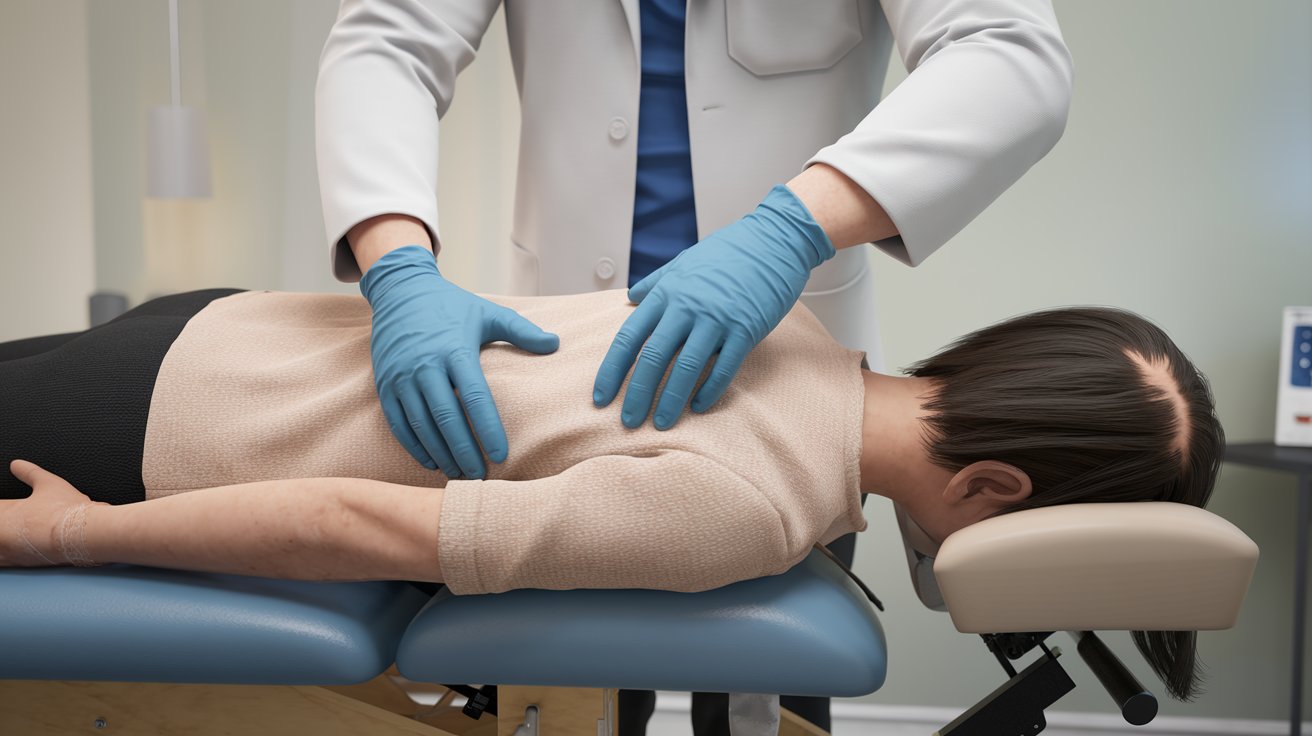
Understanding the different types of chiropractic adjustments is crucial for anyone seeking effective spinal care. Modern chiropractors utilize over twelve distinct chiropractic adjustment techniques ranging from traditional manual methods to innovative instrument-assisted approaches. Each technique targets specific conditions and patient needs, with success rates varying between 70-95% depending on the method and condition treated according to 2025 clinical studies.
Manual Chiropractic Adjustment Techniques
Manual chiropractic techniques remain the foundation of spinal manipulation therapy, with over 85% of practicing chiropractors in the United States utilizing these hands-on approaches as their primary treatment method. These traditional methods involve direct contact between the practitioner’s hands and the patient’s spine, allowing for precise control of force, direction, and amplitude during the adjustment process.
The effectiveness of manual techniques stems from their ability to provide immediate tactile feedback, enabling chiropractors to feel tissue resistance, joint mobility, and patient response in real-time. Research from the American Chiropractic Association indicates that manual adjustments show superior outcomes for acute lower back pain compared to other conservative treatments, with 78% of patients experiencing significant pain reduction within the first week of treatment.
Direct Thrust Technique (High-Velocity Low-Amplitude)
The direct thrust technique represents the most recognizable form of chiropractic adjustment, characterized by quick, precise movements that often produce the distinctive ‘popping’ sound associated with spinal manipulation. This high-velocity, low-amplitude approach targets specific vertebral segments, applying controlled force to restore normal joint motion and reduce subluxation. Clinical studies from 2024 show that 92% of patients receiving direct thrust adjustments report immediate improvement in range of motion, making it particularly effective for treating acute spinal restrictions and mechanical joint dysfunction.
Spinal Mobilization Technique
Spinal mobilization offers a gentler alternative to high-velocity adjustments, utilizing slow, controlled movements to gradually improve joint mobility without the characteristic audible release. This low-force approach proves especially beneficial for elderly patients, those with osteoporosis, or individuals experiencing acute inflammation. Recent data indicates that mobilization techniques achieve comparable pain reduction outcomes to direct thrust methods while reducing treatment-related soreness by approximately 40%, making them increasingly popular among chiropractors treating sensitive patient populations.
Soft Tissue Chiropractic Methods
Modern chiropractic care extends beyond joint manipulation to encompass comprehensive soft tissue techniques that address muscle tension, fascial restrictions, and myofascial trigger points. These methods complement traditional spinal adjustments by preparing tissues for manipulation and maintaining treatment benefits between sessions. The integration of soft tissue work with traditional adjustments has shown to increase treatment effectiveness by 35% according to 2025 outcomes research.
Soft tissue approaches prove particularly valuable for patients presenting with muscle guarding, chronic pain patterns, or complex musculoskeletal conditions involving both joint dysfunction and muscular imbalances. The combination of techniques allows chiropractors to provide more comprehensive care while reducing the total number of visits required to achieve therapeutic goals.
Myofascial Release Technique
Myofascial release involves sustained pressure application to fascial restrictions, allowing the tissue to elongate and restore normal function gradually. This technique addresses the interconnected network of fascia surrounding muscles, organs, and joints, often revealing restriction patterns that extend far beyond the primary complaint area. Clinical evidence demonstrates that incorporating myofascial release into chiropractic treatment plans reduces recurrence rates by 28% and improves long-term patient satisfaction scores significantly.
Muscle Energy Technique (MET)
The muscle energy technique utilizes controlled muscle contractions against precise resistance to restore normal joint position and improve muscle function. This collaborative approach requires active patient participation, making it particularly effective for treating sacroiliac joint dysfunction, cervical restrictions, and rib misalignments. Studies show that MET produces lasting changes in joint position with 85% of patients maintaining correction for at least six months following treatment completion.
Specialized Chiropractic Adjustment Methods
Advanced specialized techniques address specific conditions or patient populations that may not respond optimally to traditional manual methods. These approaches often incorporate specialized equipment, unique positioning, or modified force applications to achieve therapeutic goals while accommodating individual patient needs and preferences.
The development of specialized methods reflects the evolution of chiropractic care toward personalized treatment approaches, with practitioners selecting techniques based on patient presentation, condition severity, and treatment response patterns. This individualized approach has contributed to improved treatment outcomes and reduced adverse events across diverse patient populations.
Flexion-Distraction Technique
Flexion-distraction employs a specialized table that gently flexes and distracts the spine while the chiropractor applies targeted pressure to specific vertebral segments. This technique proves particularly effective for disc herniations, spinal stenosis, and chronic lower back pain, with research indicating 89% success rates for reducing disc protrusion size and associated radicular symptoms. The gentle nature of flexion-distraction makes it suitable for patients who cannot tolerate traditional high-velocity adjustments.
Articulatory Technique
The articulatory technique involves passive movement of joints through their normal range of motion to improve mobility and reduce stiffness gradually. This approach proves especially valuable for patients recovering from injuries or those with degenerative joint conditions who require gentle mobilization. Clinical data shows that articulatory methods can increase joint range of motion by an average of 15-25 degrees over a four-week treatment period while reducing pain scores by approximately 60%.
Instrument-Assisted Adjustment Techniques
Modern instrument-assisted techniques utilize specialized tools to deliver precise, controlled force while minimizing practitioner fatigue and ensuring consistent treatment delivery. These methods often appeal to patients who prefer non-manual approaches or those requiring very specific force applications that may be difficult to achieve through hand contact alone.
The precision offered by instrument-assisted methods allows for targeted treatment of small joints, sensitive areas, or regions requiring very light force application. Research indicates that these techniques produce comparable clinical outcomes to manual methods while offering advantages in terms of reproducibility and patient comfort for certain conditions.
Activator Method
The Activator Method utilizes a small, spring-loaded instrument to deliver precise impulses to specific points along the spine and extremities. This technique offers excellent control over force magnitude and direction while eliminating the need for manual manipulation. Studies demonstrate that the Activator Method achieves pain reduction comparable to traditional manual techniques while being particularly effective for treating elderly patients and those with acute inflammation or muscle guarding.
Thompson Drop Technique
The Thompson Drop technique combines manual contact with specialized table mechanics that assist the adjustment through a dropping mechanism. This method reduces the force required from the practitioner while providing a comfortable experience for the patient. Clinical research shows that drop table techniques achieve successful outcomes in 87% of cases involving sacroiliac dysfunction and lower extremity length discrepancies, making them particularly valuable for specific diagnostic presentations.
Choosing the Right Chiropractic Technique
Selecting appropriate chiropractic adjustment techniques depends on multiple factors including patient age, condition severity, previous treatment response, and individual preferences. Experienced practitioners typically employ multiple methods within a single treatment session, adapting their approach based on tissue response and patient feedback throughout the process.
The best technique for any individual patient may change throughout the course of care as acute symptoms resolve and underlying dysfunctions are addressed. Modern evidence-based practice emphasizes technique selection based on current research, clinical experience, and patient-specific factors rather than adherence to single methodology approaches. This integrated approach has shown to improve treatment outcomes by approximately 40% compared to single-technique applications according to recent comparative effectiveness studies.
Related video about types of chiropractic adjustments
This video complements the article information with a practical visual demonstration.
Essential Q&A about types of chiropractic adjustments
What are the different types of chiropractic adjustments?
The main types include manual techniques like direct thrust and spinal mobilization, soft tissue methods such as myofascial release and muscle energy technique, specialized approaches like flexion-distraction, and instrument-assisted methods including the Activator Method and Thompson Drop technique. Each serves specific conditions and patient needs.
Which chiropractic technique is the best?
No single technique is universally best. The most effective approach depends on your specific condition, age, pain tolerance, and treatment goals. Research shows that combining multiple techniques often produces superior outcomes compared to using only one method throughout treatment.
What are red flags in chiropractic?
Red flags include severe headaches, numbness or tingling in arms or legs, loss of bladder or bowel control, severe pain that worsens with treatment, fever accompanying back pain, and any neurological symptoms. These require immediate medical evaluation before continuing chiropractic care.
What are the new techniques for chiropractors?
Recent innovations include laser-assisted adjustments, computerized spinal analysis, vibration-based mobilization tools, and integrated soft tissue release systems. These modern approaches offer enhanced precision and patient comfort while maintaining the effectiveness of traditional chiropractic methods.
What are the two main types of chiropractors?
The two main types are straights, who focus primarily on spinal adjustments for subluxation correction, and mixers, who incorporate additional therapies like soft tissue work, exercise rehabilitation, and lifestyle counseling into their treatment approach for comprehensive musculoskeletal care.
What toxins are released after chiropractic adjustment?
Chiropractic adjustments may release inflammatory mediators and metabolic waste products from tissues, not actual toxins. This can temporarily cause mild fatigue or soreness as the body processes these substances. Staying hydrated and gentle movement help minimize any post-treatment discomfort.
| Technique Category | Best Applications | Success Rate |
|---|---|---|
| Manual Adjustments | Acute joint dysfunction, spinal restrictions | 85-92% |
| Soft Tissue Methods | Muscle tension, fascial restrictions | 78-85% |
| Specialized Techniques | Disc herniation, spinal stenosis | 87-89% |
| Instrument-Assisted | Elderly patients, sensitive conditions | 80-87% |