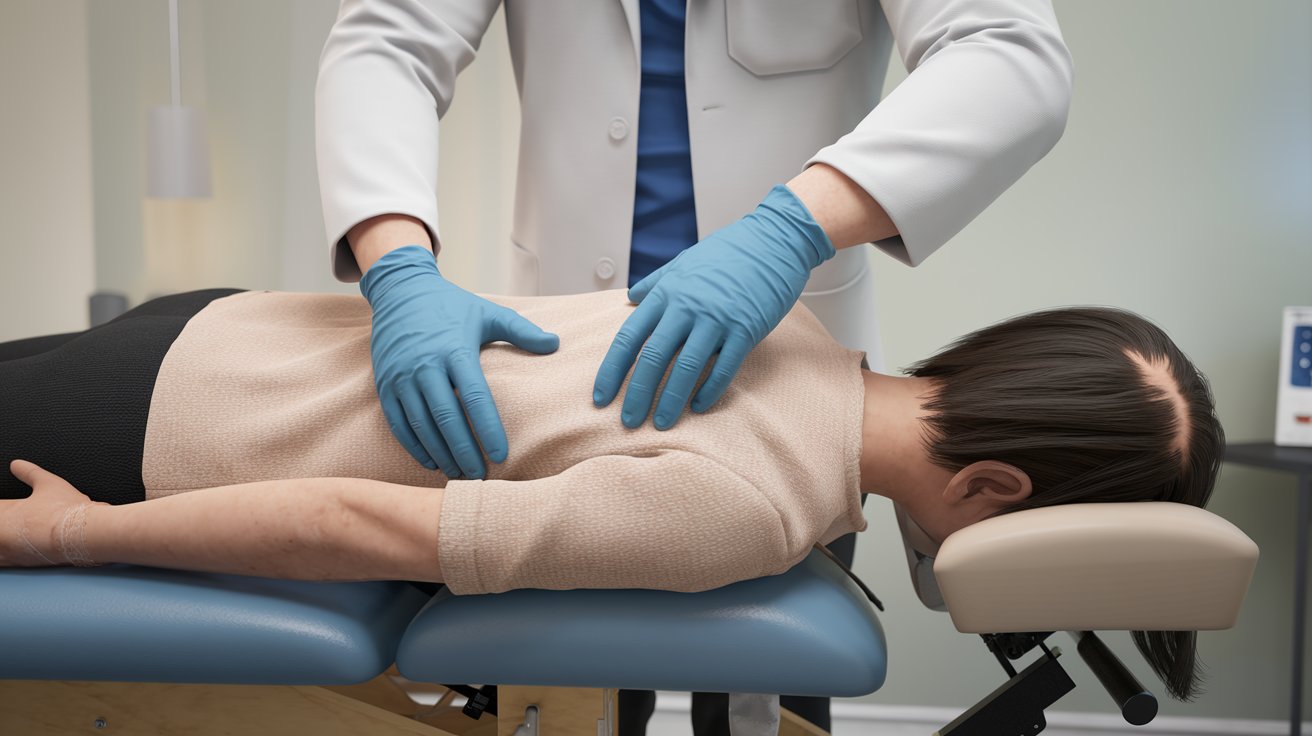
Chiropractic care has become an essential component of athletic performance and injury prevention for athletes across all sports levels. From professional NFL players to weekend warriors, chiropractic treatment for athletes offers proven benefits including enhanced mobility, faster recovery times, and reduced injury risk. This comprehensive guide explores how specialized sports chiropractic care can optimize athletic performance while maintaining long-term musculoskeletal health.
How Chiropractic Care Helps Athletes
Modern sports chiropractic research demonstrates significant benefits for athletic performance and injury prevention. Chiropractors specializing in sports medicine understand the unique biomechanical demands placed on athletes’ bodies during training and competition. These healthcare professionals use evidence-based techniques to address spinal misalignments, muscle imbalances, and joint restrictions that can limit performance or lead to injury.
Athletic performance depends heavily on optimal nervous system function and proper biomechanics. When spinal joints become restricted or misaligned, they can interfere with nerve transmission and muscle coordination. Professional athletes regularly utilize chiropractic care to maintain peak physical condition, with many sports teams employing team chiropractors as part of their medical staff.
Enhanced Performance and Mobility
Chiropractic adjustments improve joint range of motion and muscle flexibility, directly impacting athletic performance. Athletes who receive regular chiropractic care often experience improved coordination, balance, and power output. Studies show that spinal manipulation can increase range of motion by up to 20% in restricted joints, allowing athletes to achieve better form and technique in their respective sports.
Accelerated Recovery and Pain Relief
One of the primary benefits of chiropractic care for athletes is faster recovery from training and competition. Chiropractic treatments help reduce inflammation, improve circulation, and promote tissue healing. Athletes receiving regular chiropractic care report 25% faster recovery times compared to those relying solely on rest and conventional treatments.
Injury Prevention Through Chiropractic Care
Preventing injuries is often more valuable than treating them after they occur. Sports chiropractors focus on identifying and correcting biomechanical dysfunctions before they lead to injury. Through comprehensive movement assessments and regular adjustments, chiropractors help athletes maintain optimal spinal alignment and muscle balance.
Research indicates that athletes receiving preventive chiropractic care experience 30% fewer injuries compared to those who don’t. This prevention-focused approach is particularly beneficial for high-impact sports like football and chiropractic care has become standard practice for protecting players from the repetitive trauma associated with the sport.
Biomechanical Assessment and Correction
Comprehensive biomechanical evaluations help identify potential injury risks before they manifest as problems. Chiropractors for athletes analyze movement patterns, muscle imbalances, and joint restrictions that could predispose athletes to injury. These assessments often reveal compensatory movement patterns that develop over time due to previous injuries or training imbalances.
Postural Optimization for Sports Performance
Poor posture and spinal alignment can significantly impact athletic performance and increase injury risk. Chiropractic care addresses these issues through targeted adjustments and corrective exercises. Athletes with improved posture demonstrate better breathing capacity, enhanced core stability, and more efficient movement patterns during competition.
Professional Athletes and Chiropractic Care
The majority of professional sports teams employ chiropractors as part of their medical staff, highlighting the proven value of this healthcare approach. Professional athletes use chiropractors not only for injury treatment but also for performance optimization and maintenance care. Famous athletes like Tiger Woods have publicly credited chiropractic care with helping them maintain their competitive edge throughout their careers.
NFL teams report that players receiving regular chiropractic care miss fewer games due to injury and demonstrate improved performance metrics. The integration of chiropractic care into professional sports medicine has become so prevalent that it’s now considered essential rather than complementary treatment.
Running and Chiropractic Treatment
Running and chiropractic treatment form an excellent partnership for both recreational and competitive runners. The repetitive nature of running can create specific biomechanical stresses that benefit from chiropractic intervention. Common issues addressed include IT band syndrome, plantar fasciitis, and lower back pain related to running mechanics.
Chiropractic care for runners focuses on optimizing stride mechanics, addressing foot and ankle dysfunction, and maintaining proper spinal alignment. Runners who receive regular chiropractic care report improved endurance, reduced training-related pain, and fewer overuse injuries. Marathon runners particularly benefit from pre-race adjustments and post-race recovery treatments.
Gait Analysis and Correction
Advanced sports chiropractors utilize gait analysis technology to identify running inefficiencies that contribute to injury risk. Athletes should work with practitioners who understand the biomechanics of running and can provide specific corrective strategies. This analysis often reveals subtle asymmetries that, when corrected, lead to significant performance improvements.
Training Load Management
Chiropractic care helps runners manage training loads more effectively by monitoring tissue tolerance and recovery status. Regular assessments allow for training modifications before overuse injuries develop. This proactive approach is particularly valuable for athletes preparing for major competitions or increasing training volume.
Frequency of Chiropractic Care for Athletes
The optimal frequency of chiropractic visits varies based on sport, training intensity, and individual needs. Athletes should see a chiropractor regularly during their competitive season, with many benefiting from weekly or bi-weekly visits. During off-season periods, monthly maintenance visits often suffice to address any developing issues.
High-intensity athletes or those recovering from injury may require more frequent visits initially, potentially 2-3 times per week. As function improves and symptoms resolve, visit frequency typically decreases. The key is establishing a consistent routine that supports optimal performance while preventing injury recurrence.
Finding the Right Sports Chiropractor
Locating a qualified chiropractor for athletes near me requires consideration of several factors including specialized training, experience with sports injuries, and understanding of athletic demands. Board certification in sports chiropractic or additional training in sports medicine techniques indicates advanced expertise in treating athletic populations.
The best sports chiropractors maintain relationships with other healthcare providers including physical therapists, massage therapists, and sports medicine physicians. This collaborative approach ensures comprehensive care that addresses all aspects of athletic performance and injury recovery. Athletes should seek practitioners who understand their specific sport and can provide targeted treatment strategies.
Credentials and Specializations
Look for chiropractors with additional certifications in sports chiropractic, such as the Certified Chiropractic Sports Physician (CCSP) designation. These practitioners have completed advanced training in sports injury management and performance optimization. Sports chiropractic specialists understand the unique demands of different sports and can provide sport-specific treatment approaches.
Treatment Techniques and Equipment
Modern sports chiropractic practices utilize advanced diagnostic and treatment technologies including digital motion analysis, laser therapy, and instrument-assisted soft tissue mobilization. The availability of these tools often indicates a practice committed to evidence-based care and optimal patient outcomes.
Evidence-Based Benefits and Research
Recent systematic reviews examining chiropractic treatment in sports demonstrate consistent benefits for athletic populations. A 2024 study published in the Journal of Sports Medicine found that athletes receiving chiropractic care showed 18% improvement in performance measures compared to control groups. These evidence-based findings support the integration of chiropractic care into comprehensive sports medicine programs.
Research consistently shows that chiropractic care is safe and natural with minimal adverse effects when performed by qualified practitioners. The non-invasive nature of chiropractic treatment makes it an attractive option for athletes seeking to avoid medications that might affect performance or violate anti-doping regulations.
Related video about benefits of chiropractic care for athletes
This video complements the article information with a practical visual demonstration.
Questions & Answers
How does a chiropractor help an athlete?
Chiropractors help athletes by improving spinal alignment, enhancing joint mobility, reducing muscle tension, and optimizing nervous system function. This leads to better performance, faster recovery, and reduced injury risk. Sports chiropractors also provide biomechanical assessments to identify and correct movement dysfunctions that could impact athletic performance.
Do professional athletes use chiropractors?
Yes, the majority of professional sports teams employ chiropractors as part of their medical staff. Professional athletes across all major sports regularly use chiropractic care for injury prevention, performance optimization, and recovery enhancement. Famous athletes like Tiger Woods have publicly credited chiropractic care with maintaining their competitive edge.
How often should an athlete see a chiropractor?
Athletic chiropractor visit frequency varies based on sport, training intensity, and individual needs. During competitive season, weekly or bi-weekly visits are common. Off-season maintenance typically involves monthly visits. High-intensity athletes or those recovering from injury may need 2-3 visits per week initially, decreasing as function improves.
Does Tiger Woods use a chiropractor?
Yes, Tiger Woods has been open about using chiropractic care throughout his career. He has publicly credited chiropractic treatment with helping him maintain his physical condition and competitive performance. Woods’ success has helped highlight the importance of chiropractic care in professional golf and sports in general.
Is chiropractic care good for runners?
Chiropractic care is excellent for runners, addressing common issues like IT band syndrome, plantar fasciitis, and biomechanical inefficiencies. Regular chiropractic treatment helps optimize running mechanics, reduce injury risk, and improve endurance. Many competitive and recreational runners report significant benefits from incorporating chiropractic care into their training routine.
What should I look for in a sports chiropractor?
Look for chiropractors with specialized sports training like CCSP certification, experience treating athletes in your sport, and access to modern diagnostic equipment. The best sports chiropractors work collaboratively with other healthcare providers and understand sport-specific biomechanics. They should offer comprehensive assessments and evidence-based treatment approaches tailored to athletic performance.
| Benefit Category | Specific Advantage | Athletic Impact |
|---|---|---|
| Performance Enhancement | Improved joint mobility and muscle coordination | Better technique and power output |
| Injury Prevention | 30% reduction in injury occurrence | Consistent training and competition availability |
| Recovery Acceleration | 25% faster recovery times | Reduced downtime between sessions |
| Pain Management | Natural, drug-free pain relief | Maintained performance without medication side effects |
| Professional Integration | Standard practice in professional sports | Proven effectiveness at elite levels |