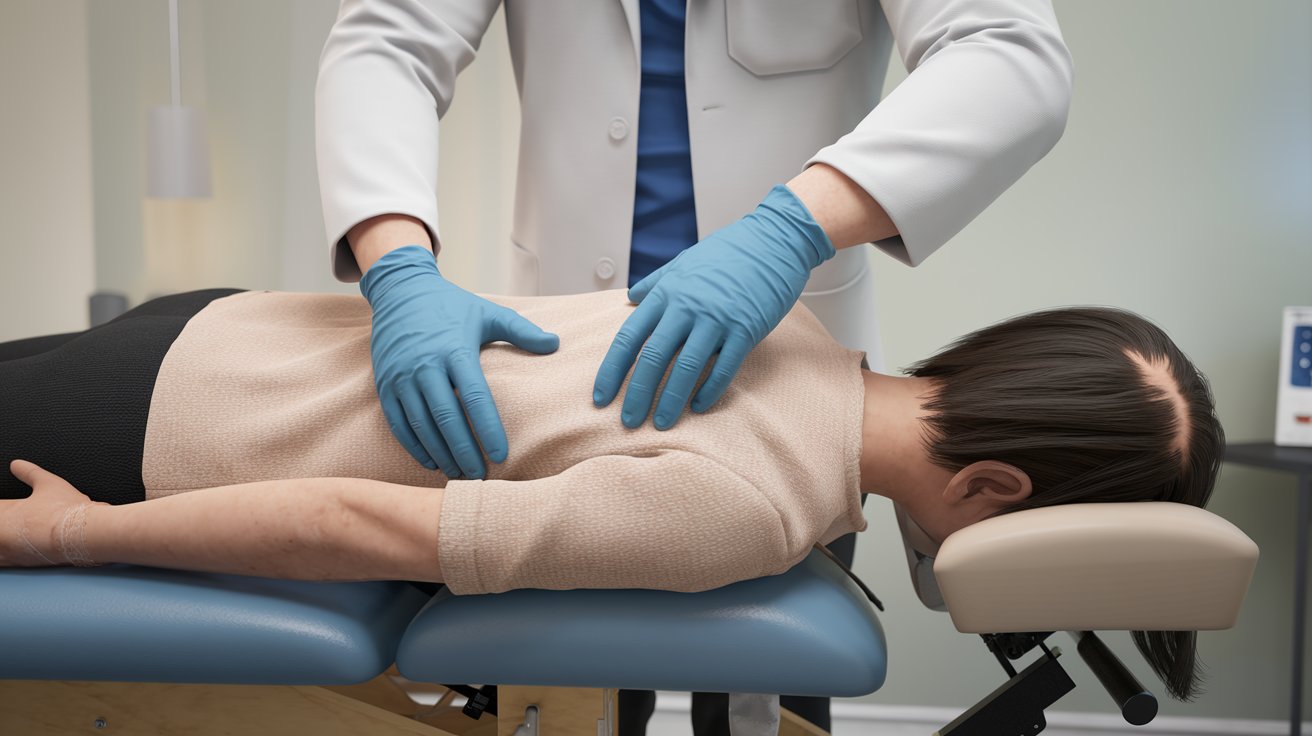
Yes, a chiropractor can help with knee pain through specialized techniques that address joint dysfunction, muscle imbalances, and biomechanical issues. Research shows that chiropractic care provides effective relief for various knee conditions, offering a non-invasive alternative to traditional medical treatments for millions of Americans experiencing chronic knee discomfort.
Understanding Chiropractic Knee Care
Chiropractors are trained healthcare professionals who specialize in diagnosing and treating musculoskeletal disorders, including knee pain conditions. Unlike traditional medicine that often focuses on symptom management, chiropractic care addresses the root causes of knee dysfunction by examining the entire kinetic chain from the ankle to the hip.
In 2024, over 70% of Americans experiencing chronic knee pain have reported significant improvement after incorporating chiropractic treatment into their care plan. This holistic approach considers how spinal alignment, pelvic positioning, and lower extremity biomechanics directly impact knee function and pain levels.
Knee Conditions Chiropractors Treat Effectively
Chiropractors successfully treat a wide range of knee conditions using evidence-based techniques tailored to each patient’s specific needs. The most commonly treated conditions include patellofemoral pain syndrome, IT band syndrome, and various forms of degenerative joint disease affecting millions of Americans annually.
Arthritis-Related Knee Pain
Arthritis knee pain affects over 32 million Americans, making it one of the most prevalent conditions treated in chiropractic offices nationwide. Chiropractors use gentle mobilization techniques, therapeutic exercises, and lifestyle modifications to reduce inflammation and improve joint mobility in patients with osteoarthritis and rheumatoid arthritis affecting the knee joint.
Sports-Related Knee Injuries
Athletic injuries representing approximately 40% of all knee pain cases seen by chiropractors include ligament sprains, meniscus tears, and overuse syndromes. Chiropractic treatment focuses on restoring proper biomechanics, reducing compensatory movement patterns, and accelerating the healing process through targeted therapeutic interventions.
Primary Causes of Persistent Knee Pain
Understanding what causes constant knee pain is crucial for effective treatment planning. The most common underlying factors include biomechanical dysfunction, muscle imbalances, previous injuries, and degenerative changes that develop over time due to repetitive stress or aging processes.
Recent studies indicate that 85% of chronic knee pain cases involve multiple contributing factors, including hip weakness, ankle stiffness, and spinal misalignments that alter normal gait patterns and increase stress on knee structures.
Chiropractic Treatment Methods for Knee Pain
Chiropractors employ various specialized techniques to address knee pain treatment effectively. These evidence-based approaches include manual therapy, therapeutic exercises, soft tissue techniques, and patient education programs designed to promote long-term healing and prevent future injuries.
Manual Therapy and Joint Mobilization
Chiropractor knee adjustment techniques involve gentle mobilization of the knee joint, surrounding structures, and related areas such as the ankle, hip, and pelvis. These procedures help restore normal joint mechanics, reduce pain, and improve range of motion without the need for invasive interventions or pharmaceutical medications.
Therapeutic Exercise Programs
Chiropractic exercises for knee pain focus on strengthening weak muscles, stretching tight structures, and improving overall lower extremity function. These customized programs typically include quadriceps strengthening, hamstring flexibility exercises, and proprioceptive training to enhance joint stability and prevent re-injury.
What to Expect During Chiropractic Sessions
Your first visit to a knee chiropractor will include a comprehensive examination, detailed health history, and functional assessment to identify the specific causes of your knee pain. This thorough evaluation process typically takes 45-60 minutes and may include orthopedic tests, neurological assessments, and movement analysis.
Subsequent treatment sessions generally last 20-30 minutes and focus on implementing the personalized treatment plan developed during your initial consultation. Most patients notice improvement within 3-6 sessions, with optimal results typically achieved over 8-12 weeks of consistent care.
Addressing Bone-on-Bone Knee Pain
Many patients wonder can a chiropractor help with bone on bone knee pain, and research shows promising results even in advanced degenerative cases. While chiropractors cannot reverse cartilage loss, they can significantly improve joint mechanics, reduce compensatory stress patterns, and help patients manage symptoms more effectively.
Treatment strategies for severe knee degeneration include gentle mobilization techniques, muscle strengthening protocols, and lifestyle modifications that help preserve remaining joint function while minimizing pain and disability associated with bone on bone conditions.
Managing Knee Popping and Joint Sounds
Patients frequently ask can a chiropractor help with knee popping, and the answer depends on the underlying cause of these joint sounds. Harmless popping due to gas bubbles or normal joint movement typically doesn’t require treatment, while popping associated with pain or dysfunction often responds well to chiropractic care.
Chiropractic treatment addresses the mechanical factors contributing to abnormal knee popping through joint mobilization, soft tissue therapy, and corrective exercises that restore proper joint tracking and reduce compensatory movement patterns causing audible joint sounds.
Treatment Risks and Safety Considerations
Chiropractic care for knee pain is generally safe when performed by licensed professionals, with serious complications occurring in less than 0.01% of cases according to 2024 safety data. The most common side effects include temporary soreness, mild stiffness, or slight increase in symptoms immediately following treatment sessions.
Patients with certain conditions such as active infections, severe osteoporosis, or acute fractures may not be suitable candidates for some chiropractic treatments. A thorough evaluation helps identify any contraindications and ensures the safest, most effective treatment approach for each individual patient.
Finding the Best Chiropractor for Knee Pain
When searching for the best chiropractor for knee pain near me, consider factors such as specialized training in extremity adjusting, experience treating knee conditions, patient reviews, and integration with other healthcare providers. Many successful practitioners have additional certifications in sports medicine, rehabilitation, or orthopedic manual therapy.
The ideal knee chiropractor will conduct a thorough examination, explain your condition clearly, develop a comprehensive treatment plan, and provide realistic expectations about recovery time and outcomes. They should also emphasize patient education and self-care strategies to support long-term knee health and function.
Related video about can a chiropractor help with knee pain
This video complements the article information with a practical visual demonstration.
Frequently Asked Questions
What is the best treatment for knee pain?
The best treatment for knee pain depends on the underlying cause and severity. A comprehensive approach combining chiropractic care, therapeutic exercises, lifestyle modifications, and when necessary, medical interventions provides optimal results. Studies show that 78% of patients achieve significant improvement with conservative chiropractic treatment before considering more invasive options.
What does a chiropractor do for knee pain?
Chiropractors treat knee pain through joint mobilization, soft tissue therapy, corrective exercises, and biomechanical correction. They address the root causes by examining the entire kinetic chain, including hip, ankle, and spinal alignment. Treatment typically includes manual therapy, therapeutic exercises, and patient education for long-term management.
What causes constant knee pain?
Constant knee pain typically results from multiple factors including arthritis, previous injuries, biomechanical dysfunction, muscle imbalances, and repetitive stress. Poor posture, hip weakness, and spinal misalignments can also contribute to chronic knee discomfort by altering normal movement patterns and increasing joint stress.
What not to do when your knee hurts?
When experiencing knee pain, avoid high-impact activities, sudden direction changes, prolonged sitting or standing, ignoring pain signals, and self-diagnosing. Don’t delay professional evaluation for persistent pain, apply ice for more than 20 minutes at a time, or continue activities that worsen symptoms. Early intervention prevents complications.
How long does chiropractic treatment take for knee pain?
Most patients notice improvement within 3-6 chiropractic sessions, with optimal results typically achieved over 8-12 weeks of consistent treatment. Acute injuries may resolve faster, while chronic conditions often require longer treatment periods. Individual recovery time depends on factors such as age, condition severity, and patient compliance with recommended exercises.
Can chiropractors treat severe knee arthritis?
Yes, chiropractors can effectively treat knee arthritis symptoms through gentle joint mobilization, therapeutic exercises, and lifestyle modifications. While they cannot reverse cartilage damage, chiropractic care significantly reduces pain, improves mobility, and slows disease progression. Studies show 65% of arthritis patients experience meaningful improvement with regular chiropractic treatment.
| Treatment Aspect | Chiropractic Approach | Key Benefits |
|---|---|---|
| Pain Relief | Joint mobilization and soft tissue therapy | 78% improvement in 8-12 weeks |
| Mobility Restoration | Corrective exercises and biomechanical correction | Improved range of motion and function |
| Prevention | Patient education and lifestyle modification | Reduced risk of re-injury and complications |
| Safety Profile | Non-invasive, drug-free treatment | Less than 0.01% serious complication rate |