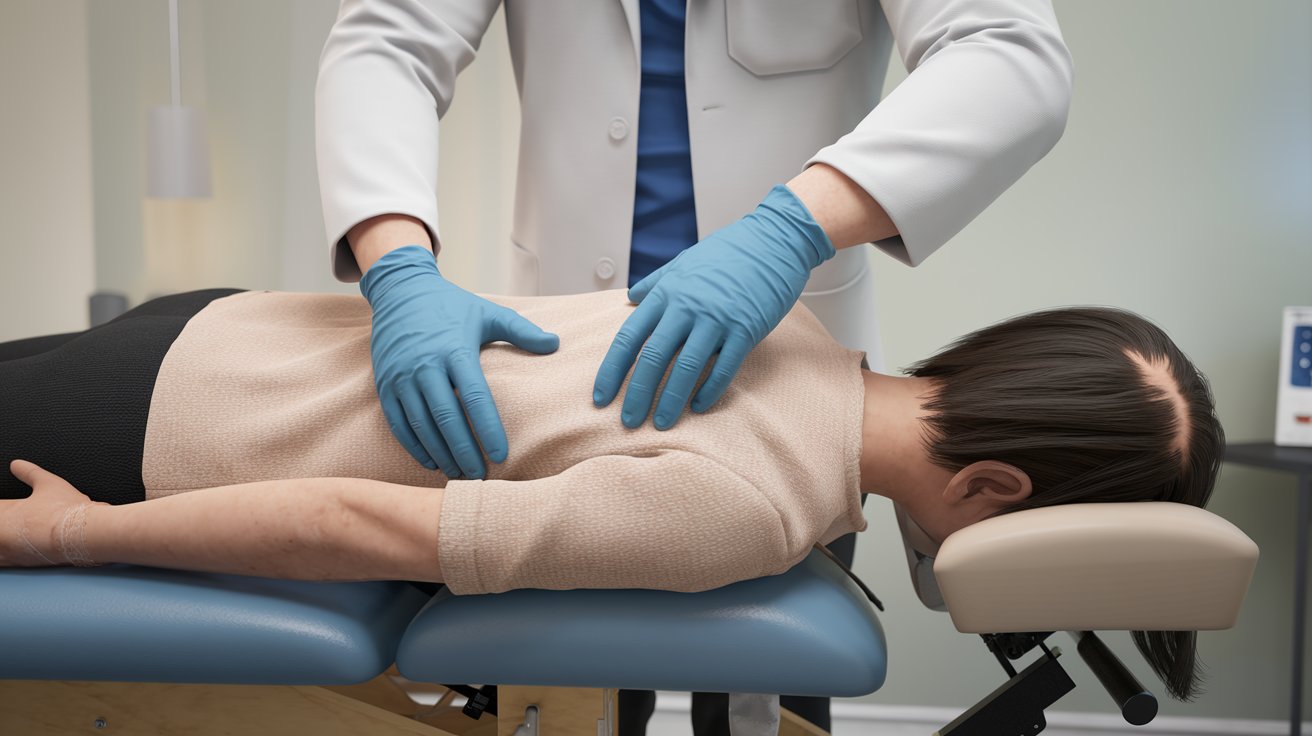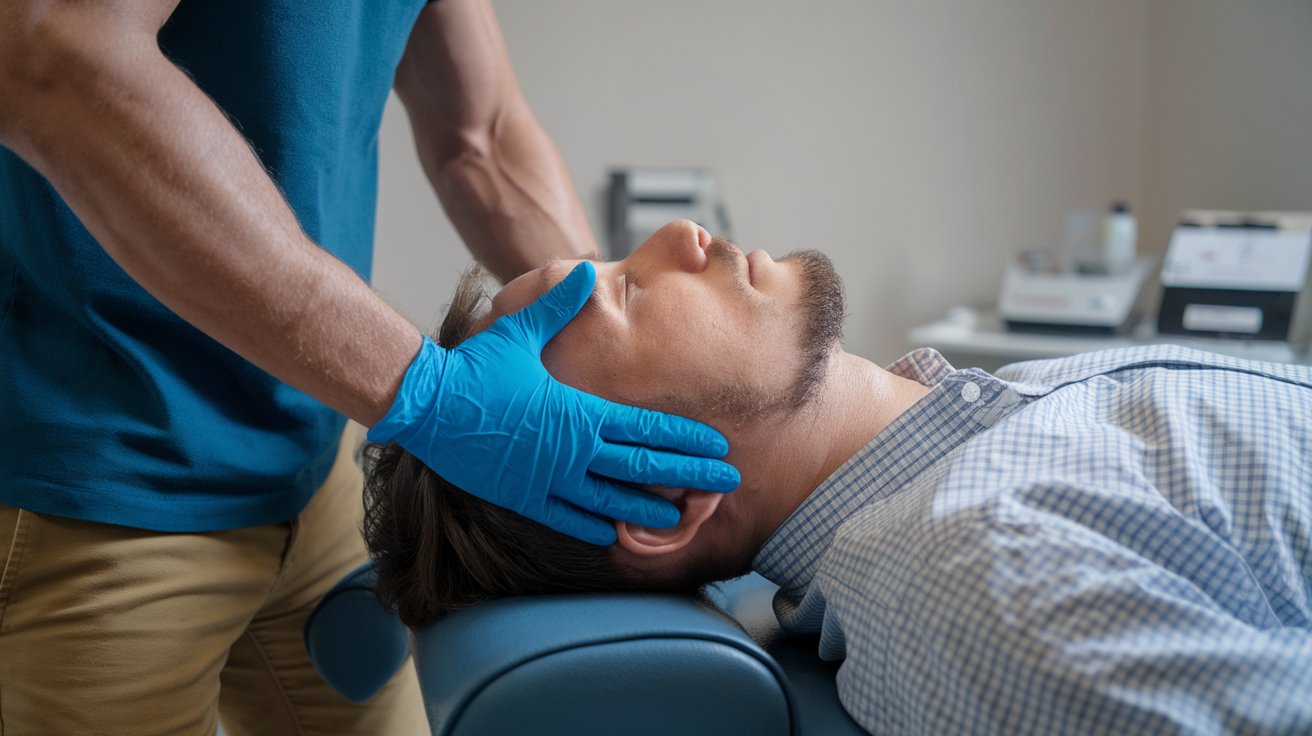
Understanding the different chiropractic techniques available today helps patients make informed decisions about their spinal health. Modern chiropractors in the United States utilize over 150 documented techniques, with each method targeting specific conditions and patient needs. From gentle mobilization to precise adjustments, these evidence-based approaches offer effective solutions for back pain, neck issues, and overall musculoskeletal health.
The Diversified Technique
The diversified technique remains the most widely used chiropractic method in the United States, practiced by over 95% of chiropractors according to 2024 data. This manual adjustment approach involves high-velocity, low-amplitude thrusts to restore proper joint motion and alignment. The technique targets specific vertebrae using precise hand positioning and controlled force application.
Practitioners of the diversified adjustment method undergo extensive training to master the biomechanics of spinal manipulation. The technique produces the characteristic popping sound as gas bubbles release from joint spaces. Studies show this method effectively reduces pain and improves mobility for conditions like lower back pain, neck stiffness, and certain types of headaches.
Gentle Chiropractic Techniques
For patients seeking gentle chiropractic techniques, several low-force methods provide effective treatment without traditional manual adjustments. These approaches particularly benefit elderly patients, those with osteoporosis, or individuals uncomfortable with conventional manipulation techniques.
Activator Method
The Activator method uses a handheld instrument to deliver precise, controlled impulses to specific areas of the spine and extremities. This technique applies force faster than the body can react, making it gentler than manual adjustments. Research from 2024 indicates over 45,000 chiropractors worldwide use this method, with high patient satisfaction rates for treating subluxations and joint dysfunction.
Flexion Distraction
Flexion distraction technique utilizes specialized tables that gently stretch and decompress the spine through controlled movements. This method proves particularly effective for disc herniations, spinal stenosis, and chronic lower back pain. The technique reduces intradiscal pressure while improving spinal mobility without forceful manipulation, making it ideal for sensitive patients or acute conditions.
Spinal Mobilization Techniques
Spinal mobilization encompasses various manual therapy approaches that improve joint function through gentle, passive movements within the joint’s normal range of motion. Unlike high-velocity adjustments, mobilization uses slow, controlled movements to restore mobility and reduce pain. These techniques include grade I through V mobilizations, each varying in amplitude and force application.
Physical therapists and chiropractors both utilize spinal mobilization methods, though chiropractic applications often focus more on specific vertebral segments. Recent studies show mobilization techniques produce comparable pain relief to traditional adjustments while causing fewer adverse reactions, making them suitable for patients who cannot tolerate conventional manipulation.
Thompson Drop-Table Technique
The Thompson drop-table technique employs specialized treatment tables with sections that drop slightly when pressure is applied during adjustment. This method reduces the force required for effective joint manipulation by using the table’s mechanical assistance. The dropping mechanism allows for precise adjustments while minimizing practitioner fatigue and patient discomfort.
Developed in the 1950s and refined through decades of practice, this chiropractic adjustment method proves particularly effective for pelvic adjustments and lower extremity treatments. The technique’s precision makes it suitable for treating patients of various ages and physical conditions, from athletes to elderly individuals with degenerative joint conditions.
Gonstead Adjustment Method
The Gonstead adjustment technique represents one of the most precise and analytically-driven approaches in chiropractic care. This method emphasizes thorough examination using X-rays, palpation, and instrumentation to identify specific vertebral subluxations before treatment. Practitioners undergo extensive training to master the technique’s exacting standards and positioning requirements.
Named after Dr. Clarence Gonstead, this chiropractic technique focuses on adjusting only the problem areas rather than general spinal manipulation. The method’s chair and table positioning allows for optimal patient comfort while ensuring precise vector corrections. Studies indicate high success rates for disc problems and complex spinal conditions when treated with proper Gonstead protocols.
Spinal Decompression Therapy
Modern spinal decompression utilizes computerized traction tables to gently separate vertebrae and reduce pressure on compressed discs and nerve roots. This non-invasive technique creates negative pressure within discs, promoting healing and nutrient flow to damaged tissues. The treatment typically involves 20-30 minute sessions over several weeks for optimal results.
FDA-approved decompression systems like DRX9000 and VAX-D represent significant advances in alternative chiropractic methods. Clinical trials show success rates of 86-94% for patients with herniated discs, degenerative disc disease, and chronic lower back pain when conservative treatments have failed. The technique offers an alternative to surgical intervention for many spinal conditions.
New Chiropractic Techniques for 2025
The latest new chiropractic techniques integrate advanced technology with traditional manual therapy principles. Impulse adjusting instruments use computerized sensors to deliver precise treatments based on real-time feedback from patient tissues. These innovations represent the evolution of chiropractic care toward more personalized and measurable treatment approaches.
Laser Therapy Integration
Class IV laser therapy now combines with traditional chiropractic adjustments to accelerate healing and reduce inflammation. This complementary approach uses specific wavelengths to stimulate cellular repair while manual techniques restore proper joint function. Research from 2024 shows combining laser therapy with adjustments reduces treatment time by 40% compared to adjustment-only protocols.
Computerized Analysis Systems
Advanced imaging and movement analysis systems now guide chiropractic technique selection and application. These technologies provide objective measurements of spinal function, allowing practitioners to customize treatment plans based on individual biomechanical patterns. The integration of artificial intelligence helps predict treatment outcomes and optimize adjustment protocols for each patient.
What Chiropractic Technique Is Best
Determining the best chiropractic technique depends on individual patient factors including age, condition severity, pain tolerance, and treatment goals. Evidence-based practice guidelines from 2024 emphasize matching technique selection to specific diagnostic findings rather than using one-size-fits-all approaches. Most successful treatment outcomes result from practitioners skilled in multiple methods.
Research indicates that gentle techniques work best for acute conditions, elderly patients, or those with inflammatory disorders, while traditional adjustments prove most effective for younger patients with mechanical joint restrictions. The key lies in proper assessment and technique matching rather than technique superiority, as different methods excel in different clinical scenarios.
Chiropractic Techniques at Home
While professional treatment remains essential, certain chiropractic techniques at home can complement clinical care and maintain spinal health between visits. Self-care methods include gentle stretching exercises, posture correction techniques, and basic spinal hygiene practices. However, patients should never attempt self-adjustment or forceful manipulation without proper training.
Safe home practices include foam rolling for muscle tension, specific stretches for spinal mobility, and ergonomic improvements to reduce daily stress on the spine. These self-care techniques work best when guided by a licensed chiropractor who can recommend appropriate exercises based on individual conditions and limitations. Improper self-treatment may worsen conditions or create new problems.
When to See a Chiropractor
Knowing when to seek professional chiropractic care ensures timely treatment and prevents condition progression. Common indicators include persistent back or neck pain lasting more than a few days, headaches originating from neck tension, limited range of motion, or pain radiating into arms or legs. Early intervention with appropriate chiropractic techniques typically produces better outcomes than delayed treatment.
Red flags requiring immediate medical evaluation before chiropractic treatment include severe neurological symptoms, loss of bladder or bowel control, progressive weakness, or pain following trauma. Most chiropractors maintain referral networks with medical specialists to ensure comprehensive patient care when conditions exceed chiropractic scope of practice or require additional medical intervention.
Related video about different chiropractic techniques
This video complements the article information with a practical visual demonstration.
Important things to know about different chiropractic techniques
What are red flags in chiropractic treatment?
Red flags include severe neurological symptoms, bladder or bowel dysfunction, progressive muscle weakness, fever with back pain, and pain following significant trauma. These symptoms require immediate medical evaluation before chiropractic treatment. Experienced chiropractors screen for these conditions during initial examinations to ensure patient safety and appropriate care referrals when necessary.
How many different chiropractic adjustments are there?
There are over 150 documented chiropractic techniques and adjustment methods, though most practitioners focus on 5-10 core techniques. The major categories include diversified, Gonstead, Activator, Thompson, flexion-distraction, and various soft tissue methods. Each technique offers specific advantages for different conditions and patient populations, allowing for personalized treatment approaches.
What is the most gentle chiropractic technique?
The Activator method is widely considered the gentlest chiropractic technique, using a handheld instrument to deliver precise, low-force impulses. Other gentle options include flexion-distraction, mobilization techniques, and certain cranial methods. These approaches provide effective treatment without the forceful manipulation associated with traditional adjustments, making them ideal for sensitive patients.
What are the two main types of chiropractors?
The two main types are “straight” chiropractors who focus primarily on spinal adjustments and subluxation correction, and “mixer” chiropractors who incorporate additional therapies like nutrition counseling, exercise rehabilitation, and lifestyle modifications. About 85% of modern chiropractors are mixers, using integrated approaches that combine multiple treatment methods for comprehensive patient care.
What toxins are released after chiropractic adjustment?
Chiropractic adjustments don’t release actual toxins, but may temporarily increase inflammatory byproducts as tissues heal and circulation improves. Some patients experience mild soreness or fatigue after treatment, which represents normal tissue response rather than toxin release. Proper hydration and gentle movement help the body process these natural healing responses effectively.
What are the new techniques for chiropractors in 2025?
New techniques include computerized impulse adjusting, laser-assisted therapy, movement analysis systems, and AI-guided treatment protocols. These innovations combine traditional manual skills with advanced technology for more precise, measurable outcomes. Telehealth consultations and remote monitoring also represent emerging approaches in modern chiropractic practice, especially for follow-up care and exercise guidance.
| Technique Category | Best For | Key Benefit |
|---|---|---|
| Manual Adjustments | Joint restrictions, general maintenance | Immediate mobility improvement |
| Gentle Techniques | Elderly, acute pain, osteoporosis | Safe, comfortable treatment |
| Decompression Therapy | Disc problems, nerve compression | Non-surgical disc healing |
| Technology-Assisted | Precision treatment, objective monitoring | Measurable, personalized care |