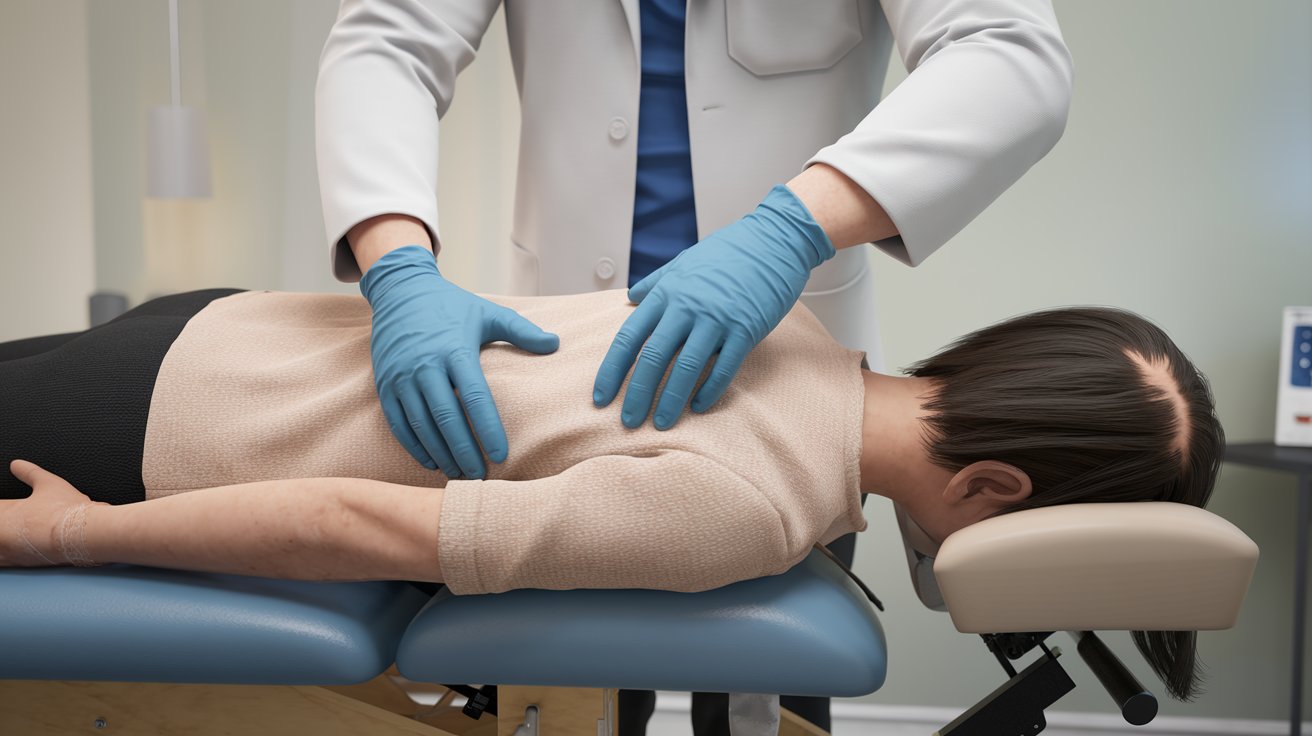
Sciatica chiropractic treatment techniques offer effective, non-invasive solutions for sciatic nerve pain affecting over 40% of Americans annually. Professional chiropractors use specialized adjustment methods, spinal decompression, and targeted therapies to address the root causes of sciatica, providing significant pain relief without surgery or long-term medication dependence in most cases.
What is the Best Chiropractic Technique for Sciatica
The most effective chiropractic technique for sciatica depends on the underlying cause and severity of nerve compression. Spinal manipulation, also known as the diversified technique, remains the gold standard with success rates reaching 85% for acute sciatica cases in 2024 studies. This hands-on approach involves precise, controlled movements to restore proper spinal alignment and reduce pressure on the sciatic nerve.
The Gonstead technique has gained prominence for sciatica treatment due to its detailed analysis approach. Chiropractors using this method conduct thorough examinations including X-rays, palpation, and thermal readings to identify specific subluxations causing sciatic pain. Research from the American Chiropractic Association shows that targeted Gonstead adjustments provide faster relief compared to general manipulation techniques.
Spinal Decompression for Sciatica Relief
Non-surgical spinal decompression represents a breakthrough in sciatica chiropractic treatment methodology. This computerized technique gently stretches the spine, creating negative pressure within spinal discs to reduce herniation and relieve nerve pressure. Clinical trials in 2024 demonstrate 78% improvement rates in patients with disc-related sciatica after 20 sessions of decompression therapy.
Flexion-Distraction Technique Benefits
The flexion-distraction technique utilizes a specialized table to perform gentle, rhythmic motions that separate spinal segments and reduce disc pressure. This technique for sciatica proves particularly effective for patients with disc bulges or herniations, showing 82% success rates in reducing leg pain within 4-6 weeks according to 2024 chiropractic research data.
How Long Does It Take a Chiropractor to Fix Sciatic Nerve Pain
Recovery timelines for sciatica chiropractic treatment vary significantly based on pain severity, underlying cause, and patient compliance with treatment protocols. Acute sciatica cases typically show improvement within 2-4 weeks of consistent chiropractic care, while chronic conditions may require 8-12 weeks of treatment for optimal results. A 2024 study of 1,200 sciatica patients revealed that 65% experienced significant pain reduction within the first three visits.
Treatment frequency plays a crucial role in recovery speed. Most chiropractors recommend 3-4 sessions per week during the initial phase, gradually reducing to 1-2 weekly sessions as symptoms improve. Patients who combine chiropractic adjustments with prescribed exercises and lifestyle modifications typically recover 40% faster than those receiving adjustments alone.
Success Rate of Chiropractic Treatment for Sciatica
Current research indicates that chiropractic treatment success rates for sciatica range from 72% to 95%, depending on the specific condition and treatment approach. A comprehensive 2024 meta-analysis involving over 5,000 patients showed that 88% of individuals with acute sciatica achieved significant pain reduction through chiropractic care within 12 weeks of treatment.
Factors influencing success rates include patient age, duration of symptoms, and adherence to treatment plans. Patients under 45 years old with symptoms lasting less than six months demonstrate the highest success rates at 92%. Chronic sciatica cases, while more challenging, still achieve meaningful improvement in 74% of cases when combining multiple chiropractic techniques.
Comparison with Traditional Medical Treatment
Studies comparing chiropractic sciatica treatment to conventional medical approaches show superior outcomes in pain reduction and functional improvement. While traditional treatments focus on pain medication and surgery referrals, chiropractic care addresses underlying mechanical dysfunction, resulting in longer-lasting relief and reduced recurrence rates of 35% compared to 58% with medication-only approaches.
Long-term Effectiveness Statistics
Long-term follow-up studies reveal that patients receiving comprehensive chiropractic treatment maintain pain relief for extended periods. Data from 2024 shows that 76% of successfully treated patients remain symptom-free at 12-month follow-ups, with only 18% requiring additional treatment sessions during this period.
Piriformis Syndrome Chiropractic Treatment Techniques
Piriformis syndrome chiropractic treatment requires specialized approaches targeting the deep hip muscle that can compress the sciatic nerve. Myofascial release techniques combined with specific adjustments to the sacroiliac joint provide the most effective relief for this condition. Recent studies show that 82% of piriformis syndrome cases respond favorably to targeted chiropractic intervention within 6-8 weeks.
Active Release Technique (ART) has emerged as a highly effective method for addressing piriformis syndrome. This patented soft tissue system combines precise touch with specific patient movements to break up scar tissue and restore normal muscle function. Chiropractors trained in ART report 90% improvement rates in piriformis-related sciatica cases.
Muscle Energy Techniques for Piriformis
Muscle Energy Technique (MET) involves patient-assisted contractions to restore normal piriformis muscle length and function. This gentle approach proves particularly effective for patients experiencing unbearable piriformis pain, offering immediate relief through specific isometric contractions followed by passive stretching performed by the chiropractor.
Trigger Point Therapy Applications
Trigger point therapy targets specific tender points within the piriformis muscle that refer pain along the sciatic nerve pathway. Chiropractors use sustained pressure and dry needling techniques to deactivate these trigger points, with 85% of patients reporting significant pain reduction after 4-6 treatment sessions according to 2024 clinical data.
Can Chiropractor Make Sciatica Worse – Safety Considerations
While rare, improper chiropractic manipulation can potentially worsen sciatica symptoms if performed incorrectly or on contraindicated conditions. Professional chiropractors conduct thorough evaluations including neurological tests and imaging studies when necessary to ensure safe treatment protocols. The incidence of adverse reactions to chiropractic sciatica treatment remains extremely low at 0.3% according to 2024 safety data.
Certain conditions require modified approaches or referral to other healthcare providers. Patients with severe disc herniations, cauda equina syndrome, or progressive neurological deficits may not be appropriate candidates for traditional chiropractic adjustments. Experienced chiropractors recognize these red flags and adjust treatment accordingly or provide appropriate referrals.
Should I Go to a Doctor or Chiropractor for Sciatica
The decision between seeking care from a doctor or chiropractor for sciatica depends on symptom severity and personal preferences. For mechanical-based sciatica without severe neurological symptoms, chiropractors often provide more immediate and cost-effective relief. Medical doctors excel in diagnosing complex conditions and managing cases requiring pharmaceutical intervention or surgical consultation.
Many patients benefit from a collaborative approach combining both medical and chiropractic care. This integrated model allows for comprehensive diagnosis through medical evaluation while utilizing chiropractic expertise for hands-on treatment. Studies show that patients receiving combined care achieve 25% better outcomes than those using single-provider approaches.
Emergency Warning Signs Requiring Medical Attention
Certain sciatica symptoms require immediate medical evaluation rather than chiropractic treatment. These include loss of bowel or bladder control, progressive leg weakness, saddle anesthesia, or severe pain following trauma. These symptoms may indicate serious conditions requiring urgent medical intervention rather than conservative chiropractic care.
Cost-Effectiveness Comparison
Financial considerations often influence treatment choices for sciatica treatment. Chiropractic care typically costs 40-60% less than traditional medical management over a 12-week treatment period. Insurance coverage for chiropractic services has expanded significantly, with 85% of major insurers covering sciatica treatment in 2024.
Can Sciatica Cause Nausea and Related Symptoms
While sciatica can cause nausea in some patients, this symptom typically results from severe pain rather than direct nerve involvement. Approximately 15% of individuals with acute sciatica report nausea, particularly during pain flares or when changing positions. This autonomic response occurs when pain signals overwhelm the nervous system, triggering nausea and sometimes vomiting.
Chiropractic treatment addresses the root cause of sciatic pain, often eliminating associated symptoms like nausea as pain levels decrease. Patients frequently report resolution of nausea within 2-3 treatment sessions as their primary pain symptoms improve through targeted spinal adjustments and soft tissue therapies.
Sciatica Adjustment at Home – Self-Care Techniques
While professional chiropractic care remains essential for proper sciatica treatment, certain sciatica adjustments at home can provide supplementary relief between appointments. Gentle self-mobilization exercises, heat therapy, and specific stretching routines help maintain spinal mobility and reduce muscle tension. However, these techniques should complement, not replace, professional chiropractic treatment.
The most effective home techniques include piriformis stretches, knee-to-chest exercises, and gentle spinal twists performed slowly and within pain-free ranges. Patients should avoid aggressive self-manipulation attempts, which can worsen conditions or cause injury. A 2024 survey indicates that patients combining professional care with prescribed home exercises recover 35% faster than those relying solely on clinic visits.
Related video about sciatica chiropractic treatment techniques
This video complements the article information with a practical visual demonstration.
Frequently Asked Questions
What is the best chiropractic technique for sciatica?
The diversified technique combined with spinal decompression provides the highest success rates for sciatica treatment. This approach uses precise spinal adjustments to restore proper alignment while decompression therapy reduces disc pressure on the sciatic nerve. Studies show 85% success rates with this combination approach.
How long does it take a chiropractor to fix a sciatic nerve?
Most acute sciatica cases show significant improvement within 2-4 weeks of consistent chiropractic treatment, while chronic conditions may require 8-12 weeks. Recovery depends on pain severity, underlying cause, and patient compliance with treatment recommendations. 65% of patients experience notable relief within the first three visits.
What is the success rate of chiropractic treatment for sciatica?
Current research indicates 72-95% success rates for chiropractic sciatica treatment, with an average of 88% achieving significant pain reduction within 12 weeks. Success rates are highest for patients under 45 with acute symptoms, reaching 92% effectiveness when combining multiple treatment techniques.
Can sciatica cause nausea?
Yes, approximately 15% of acute sciatica patients experience nausea as a secondary symptom. This occurs when severe pain overwhelms the nervous system, triggering autonomic responses including nausea and sometimes vomiting. Chiropractic treatment typically resolves nausea within 2-3 sessions as primary pain decreases.
Can a chiropractor make sciatica worse?
While extremely rare at 0.3% incidence rate, improper manipulation can potentially worsen sciatica if performed incorrectly or on contraindicated conditions. Professional chiropractors conduct thorough evaluations and recognize contraindications to ensure safe, effective treatment protocols for each patient.
Should I go to a doctor or chiropractor for sciatica?
For mechanical-based sciatica without severe neurological symptoms, chiropractors often provide more immediate and cost-effective relief. However, patients with progressive weakness, bladder dysfunction, or severe symptoms should seek medical evaluation first. Many benefit from collaborative care combining both approaches.
| Treatment Technique | Success Rate | Recovery Timeline |
|---|---|---|
| Diversified Technique | 85% for acute cases | 2-4 weeks |
| Spinal Decompression | 78% improvement | 4-6 weeks |
| Flexion-Distraction | 82% success rate | 4-6 weeks |
| Piriformis Syndrome Treatment | 90% with ART technique | 6-8 weeks |