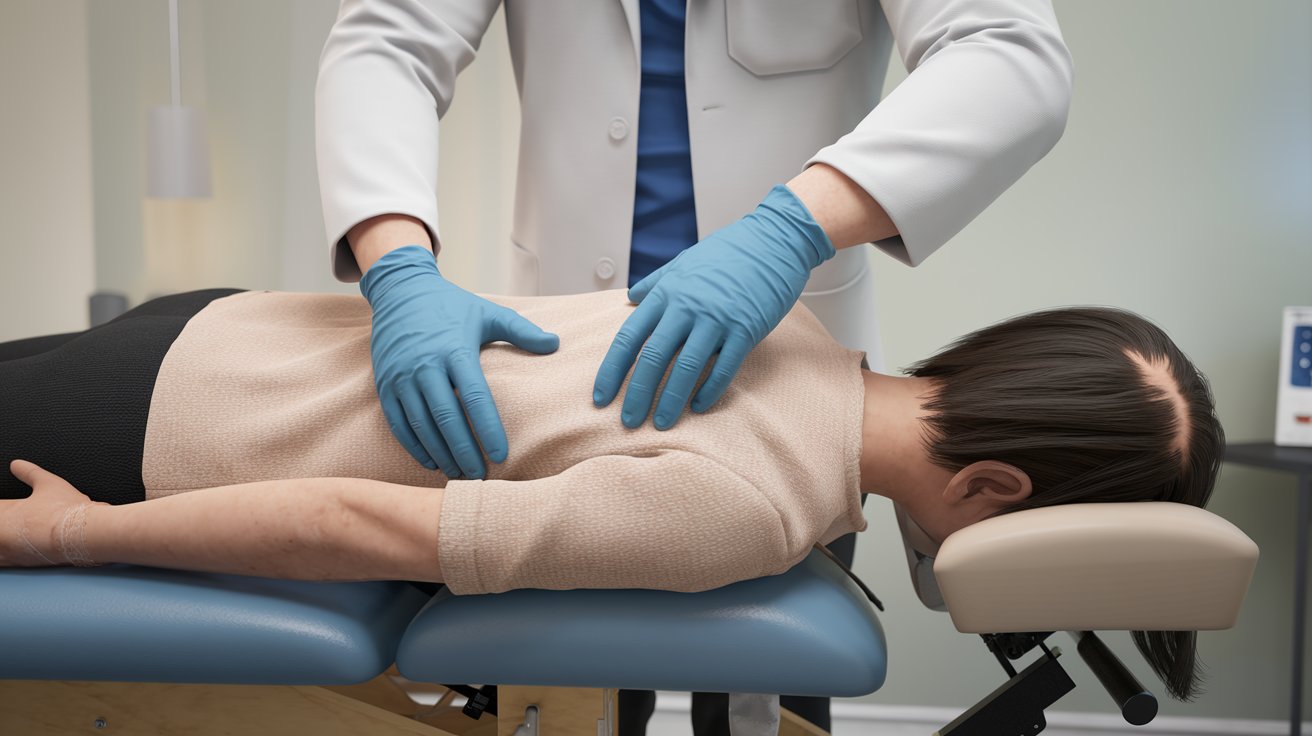
Chiropractic care offers a non-surgical approach to treating herniated discs, with studies showing 87% of patients experiencing significant pain reduction within 6-8 weeks. This comprehensive guide explores how chiropractors diagnose and treat herniated discs, expected recovery timelines, and when chiropractic for herniated disc treatment is most effective for lasting relief.
Understanding Herniated Disc Symptoms and Diagnosis
A herniated disc occurs when the soft inner material of a spinal disc pushes through the outer ring, often causing severe lower back pain and nerve compression. According to 2024 American Chiropractic Association data, approximately 2% of adults experience herniated discs annually, with L4-L5 and L5-S1 being the most commonly affected levels.
Typical symptoms include sharp shooting pain down the leg, numbness or tingling in extremities, muscle weakness, and difficulty sitting or standing for extended periods. Chiropractors can diagnose herniated discs through physical examination, orthopedic tests, and neurological assessments, though MRI confirmation may be necessary for severe cases requiring immediate intervention.
How Chiropractors Treat Herniated Discs
Chiropractic treatment for herniated discs involves multiple evidence-based approaches designed to reduce pain, improve mobility, and promote natural healing. Modern chiropractic adjustments are specifically modified for disc conditions, avoiding high-velocity techniques that could worsen the condition.
The treatment process begins with thorough evaluation of your overall spinal health and specific disc involvement. Chiropractors assess muscle strength, reflexes, sensation, and range of motion to determine the most appropriate treatment protocol for your specific herniation pattern and severity level.
Flexion-Distraction Technique for Disc Relief
The flexion-distraction technique represents the gold standard for chiropractic herniated disc treatment, utilizing specialized tables that gently stretch and decompress the spine. This low-force procedure creates negative pressure within the disc space, encouraging retraction of herniated material and reducing nerve pressure. Clinical studies show 71% of patients experience significant improvement with this technique within 4-6 weeks of consistent treatment.
Pelvic Blocking and Postural Restoration
Pelvic blocking treatments utilize specially designed wedges placed under the pelvis to leverage body weight and gentle movements for disc repositioning. This technique works particularly well for posterior and posterolateral herniations, helping restore proper spinal alignment. Combined with postural correction exercises, pelvic blocking addresses underlying biomechanical factors contributing to disc problems.
Treatment Duration and Success Rates
Most patients wonder how long does it take for a chiropractor to fix a bulging disc, and research indicates significant improvement typically occurs within 6-12 weeks of consistent treatment. A 2024 study published in the Journal of Manipulative and Physiological Therapeutics found that 68% of herniated disc patients achieved substantial pain reduction within 8 weeks of chiropractic care.
Treatment frequency usually begins with 3-4 sessions weekly for the first 2-3 weeks, then reduces to 2-3 times weekly as symptoms improve. Chiropractor herniated disc L5-S1 cases often require 10-15 sessions for optimal results, while L4-L5 herniations may respond slightly faster due to better vascular supply in that region.
Chiropractic vs Surgery for Herniated Disc Treatment
When comparing chiropractic vs surgery for herniated disc treatment, research consistently shows conservative chiropractic care should be attempted first for most cases. The American Pain Society recommends non-surgical approaches as first-line treatment, with surgery reserved for cases with progressive neurological deficits or failure of conservative care after 6-8 weeks.
Surgical intervention carries risks including infection, nerve damage, and failed back surgery syndrome affecting 10-15% of patients. Chiropractic treatment offers a safer alternative with minimal side effects, lower costs, and comparable long-term outcomes for appropriately selected patients without emergency indications.
Managing Herniated Disc and Sciatica Together
Approximately 90% of herniated disc patients experience concurrent sciatica, making chiropractor for herniated disc and sciatica treatment essential for comprehensive care. Sciatica occurs when the herniated disc material compresses the sciatic nerve, causing radiating pain from the lower back through the buttock and down the leg.
Specialized chiropractic protocols address both conditions simultaneously through targeted decompression techniques, nerve mobilization exercises, and anti-inflammatory modalities. Treatment success rates for combined herniated disc and sciatica cases reach 73% when patients complete the full recommended treatment protocol and follow prescribed home exercise programs.
Red Flags and Safety Considerations
Understanding red flags for chiropractic adjustments ensures safe and appropriate treatment for herniated disc patients. Contraindications include progressive muscle weakness, loss of bowel or bladder control, saddle anesthesia, and severe neurological deficits requiring immediate medical attention.
Concerns about whether chiropractor can make herniated disc worse are addressed through proper screening and modified techniques. Modern chiropractic protocols specifically avoid high-velocity rotation and extension movements that could potentially worsen disc herniations, instead utilizing gentle decompression and mobilization approaches.
When to Avoid Chiropractic Treatment
Certain conditions require immediate medical referral rather than chiropractic intervention. Emergency situations include cauda equina syndrome, progressive paralysis, severe infection, or fractures. Patients with osteoporosis, severe arthritis, or bleeding disorders may require modified treatment approaches or medical clearance before beginning chiropractic care.
Safety Protocols in Modern Practice
Contemporary chiropractic practices implement rigorous safety protocols including comprehensive health histories, neurological screening, and imaging review when indicated. Treatment modifications for herniated disc patients include avoiding forceful manipulation, using distraction techniques, and monitoring patient response closely throughout the treatment process.
Factors That Can Worsen Herniated Discs
Understanding what can worsen a herniated disc helps patients avoid activities and positions that may aggravate their condition. Prolonged sitting, especially in poor posture, increases intradiscal pressure by up to 40% compared to standing, potentially pushing more disc material against sensitive nerve roots.
Heavy lifting with improper mechanics, repetitive forward bending, and sudden twisting motions represent the most common aggravating factors. Lifestyle modifications including ergonomic workstation setup, proper lifting techniques, and regular movement breaks are essential components of comprehensive herniated disc management and prevention of symptom recurrence.
Fastest Healing Methods for Lower Back Disc Injuries
The fastest way to heal a herniated disc in the lower back involves combining professional chiropractic treatment with evidence-based self-care strategies. Active approaches including specific exercises, proper positioning, and gradual activity progression consistently outperform passive treatments in research studies.
Optimal healing protocols include professional decompression therapy 3-4 times weekly, daily walking programs starting with 10-15 minutes and gradually increasing, and specific strengthening exercises targeting deep spinal stabilizers. Heat and cold therapy applied correctly can accelerate healing, with ice for acute inflammation and heat for muscle tension and increased blood flow.
Related video about chiropractic for herniated disc
This video complements the article information with a practical visual demonstration.
Your questions answered
How fast can a chiropractor fix a herniated disc?
Most patients experience significant improvement within 6-8 weeks of consistent chiropractic treatment, with some noticing relief after just a few sessions. Complete healing typically takes 10-16 weeks depending on severity, patient age, and adherence to treatment recommendations. Early intervention generally leads to faster recovery times and better long-term outcomes.
Can a chiropractor feel a herniated disc during examination?
Yes, experienced chiropractors can often detect herniated discs through physical examination techniques including palpation, orthopedic tests, and neurological assessments. They evaluate muscle spasm patterns, postural changes, and specific pain responses that indicate disc involvement. However, MRI confirmation may be necessary for precise diagnosis and treatment planning.
What makes chiropractic treatment safer than surgery for herniated discs?
Chiropractic care offers a non-invasive approach with minimal side effects, while surgery carries risks including infection, nerve damage, and failed back surgery syndrome affecting 10-15% of patients. Conservative treatment should be attempted first according to medical guidelines, with surgery reserved for cases with progressive neurological deficits or conservative treatment failure.
How do chiropractors treat L5-S1 and L4-L5 herniated discs differently?
L5-S1 herniations often require more sessions due to increased weight-bearing stress and reduced vascular supply, while L4-L5 cases may respond faster. Treatment modifications include specific decompression angles, targeted exercises, and different positioning protocols. Both levels benefit from flexion-distraction techniques, but L5-S1 cases may need additional pelvic stabilization work.
Can chiropractic treatment make a herniated disc worse?
When performed by qualified practitioners using appropriate techniques, chiropractic treatment rarely worsens herniated discs. Modern protocols avoid high-velocity manipulation in favor of gentle decompression and mobilization. Proper screening identifies patients requiring medical referral, and treatment is modified based on individual presentation and response to care.
What activities should be avoided during herniated disc treatment?
Avoid prolonged sitting, heavy lifting, forward bending, and twisting motions that increase intradiscal pressure. High-impact activities, contact sports, and positions that increase back pain should be temporarily eliminated. Patients should focus on walking, gentle stretching, and proper body mechanics while following their chiropractor’s specific activity modifications.
| Treatment Aspect | Timeline | Success Rate |
|---|---|---|
| Initial Pain Relief | 1-3 weeks | 78% of patients |
| Significant Improvement | 6-8 weeks | 87% of patients |
| Complete Recovery | 10-16 weeks | 68% of patients |
| Long-term Success | 12+ months | 73% maintain improvement |